
German pancakes, also known as Dutch babies, have a fascinating history dating back to early 20th century America. Despite their name, they actually originated in German communities in the Pacific Northwest, where immigrants adapted traditional European pancake recipes using American baking pans. The dramatic puffing effect occurs as the eggs expand rapidly in the hot oven, creating a beautiful golden crust with a tender, custard-like interior that has delighted families for generations.
Why You'll Love It
-
Effortless oven preparation means no standing over a stove
-
Dramatic presentation that impresses everyone at the table
-
Customizable with endless topping possibilities for any season
-
Perfect texture combination of crispy edges and soft center
"My kids call it the magic pancake - they gather around the oven just to watch it rise!"
Essential Ingredient Guide
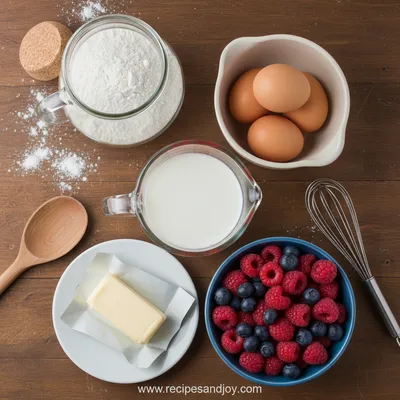
- Eggs: Room temperature eggs create maximum puff - they incorporate more air when beaten, giving that signature rise. Fresh eggs work best for structure.
- Milk: Whole milk provides richness, but any milk works. The liquid creates steam that helps the pancake rise dramatically in the hot oven.
- Flour: All-purpose flour gives the perfect structure - not too dense, not too light. Measure by spooning into the cup for accuracy.
- Butter: The butter sizzles in the hot pan, creating those beautifully crispy edges we all love. Salted butter adds just the right flavor balance.
- Vanilla extract: A splash of vanilla adds warmth and depth, complementing both sweet and fruit toppings beautifully.
- Sugar: Just a touch enhances the natural sweetness without making it overly sugary - perfect for balancing tart fruit toppings.

Complete Cooking Process
-
Ingredient Readiness:
Bringing eggs to room temperature is crucial - cold eggs won't incorporate as much air, affecting the dramatic rise. Letting the batter rest allows the flour to hydrate fully.
-
Flavor Development:
The hot butter sizzling in the pan creates the foundation - that nutty, caramelized flavor that defines the edges. The vanilla blooms beautifully in the oven's heat.
-
Texture Control:
The initial high heat creates the puff, while continued baking sets the custardy center. Don't open the oven door too early - that beautiful rise is temperature-dependent.
-
Finishing Touches:
The pancake will deflate slightly as it cools - that's normal! This creates perfect little wells for holding syrup, fruit, or powdered sugar.
-
Serving Timing:
Serve immediately while the edges are still crisp and the center is warm and tender. It's at its absolute best straight from the oven.
-
Use a cast iron skillet for the most dramatic puff and crispy edges
-
Don't overmix the batter - a few lumps are perfectly fine
-
Preheat your pan in the oven for extra puff power
-
Add fruit after baking to prevent sogginess
Pro Tips
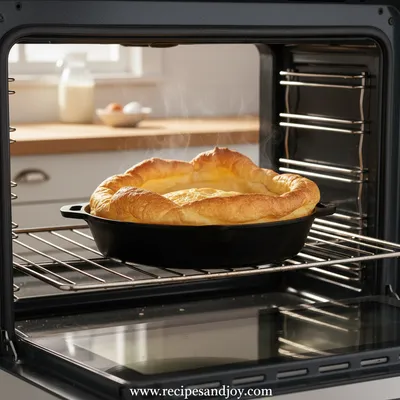
You know, after all these years of making this pancake, I've learned that patience is key. That moment when you pull it from the oven - wow, it still takes my breath away every time. The way the edges curl up like a golden crown, the heavenly scent filling the kitchen... it's worth every second of waiting.
And honestly, the best part is how it brings people together. There's something about watching this magical transformation that makes breakfast feel special. It's not just food - it's an experience, a little moment of wonder in an ordinary morning. That's the real secret ingredient, if you ask me.
The essence of the dish:
This pancake embodies simple elegance - basic ingredients transforming into something spectacular through the magic of oven heat. It's the perfect balance of crisp and tender, humble and dramatic.
A fun fact or historical angle:
Despite the name, German pancakes actually originated in American restaurants in the early 1900s! The name likely came from German immigrants' influence on American breakfast traditions.
Flavor or sensory focus:
You'll notice the contrast first - the crisp, buttery edges giving way to the soft, eggy center. Then the warm vanilla scent, followed by the way it perfectly soaks up maple syrup without becoming soggy.
You Must Know
-
The pancake will puff dramatically then fall - this is normal and creates perfect syrup pockets
-
Use room temperature ingredients for maximum rise
-
Don't open the oven during the first 15 minutes of baking
-
Serve immediately for the best texture experience
Frequently Asked Questions
→ Why did my German pancake not puff up?
This usually happens if your ingredients were too cold, the oven wasn't hot enough, or you opened the door too early. Room temperature eggs and a properly preheated oven are key!
→ Can I make this pancake ahead of time?
You can mix the batter the night before and refrigerate it, but bake it fresh for the best texture. The baked pancake doesn't reheat well as it loses its crisp edges.
→ What's the difference between a German pancake and a Dutch baby?
They're essentially the same thing! Different names for the same delicious baked pancake. Both refer to this puffed, oven-baked breakfast treat.
→ Can I add ingredients to the batter before baking?
I recommend adding fruit or other toppings after baking to prevent sogginess. If you must add something, berries work best - but sprinkle them on top rather than mixing in.
→ What type of pan works best?
A cast iron skillet gives the most dramatic results, but any oven-safe baking dish works. I've used everything from pie plates to baking dishes with great success.
→ How do I know when it's done baking?
Look for golden brown, puffed edges that are crisp to the touch. The center should be set but still slightly jiggly - it will continue to cook as it rests.
Nutrition Facts
per serving
285
Calories
10g
Protein
28g
Carbs
14g
Fat
Taste Profile
Warm, comforting sweetness balanced by rich eggy notes and buttery depth
Ingredient Substitutions
Don't have an ingredient? Try these alternatives
Buttermilk will add tanginess - reduce sugar slightly if using
Whole wheat will make it denser - use half whole wheat, half white for best results
Recipe Variations
Try these delicious twists on the original
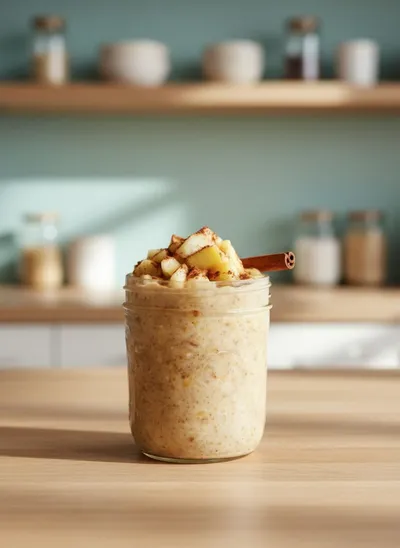
Apple Cinnamon Version
Add sliced apples sautéed in butter and cinnamon to the pan before pouring in the batter for a cozy autumn twist
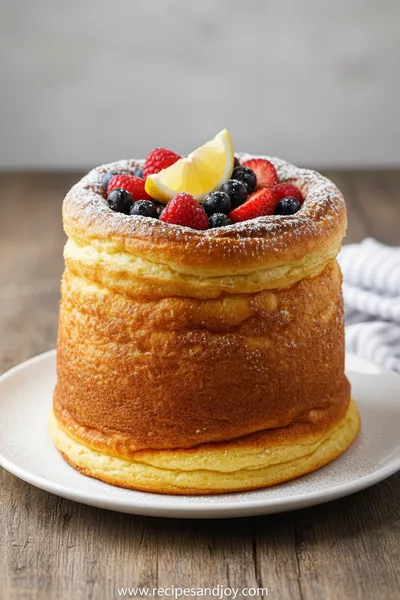
Lemon Berry Delight
Add lemon zest to the batter and top with fresh berries and a squeeze of lemon juice for bright, fresh flavors
Common Mistakes to Avoid
Learn from others' mistakes for perfect results
- Using cold ingredients - this prevents proper rising and puffing
- Opening the oven too early - the temperature drop can cause collapsing
- Overmixing the batter - this can develop too much gluten making it tough
- Not preheating the pan - cold pan means less dramatic puff and softer edges
Meal Prep & Storage
Make Ahead Tips
You can mix the batter the night before and refrigerate it in an airtight container. Let it come to room temperature for 30 minutes before baking for best results. The butter can be measured and kept ready in the baking pan.
Leftover Ideas
Leftovers can be stored in the refrigerator for up to 2 days, but the texture will become soft. Reheat gently in a toaster oven or skillet to restore some crispness, though it's best enjoyed fresh.
Perfect Pairings
Serve this with...
Cooking Timeline
Preheat oven with empty skillet inside, gather and measure all ingredients
Mix batter until smooth, let rest while oven finishes heating
Melt butter in hot skillet, immediately pour in batter, return to oven
Bake undisturbed for 18-22 minutes until puffed and golden
Remove from oven, let rest 2 minutes, add toppings and serve
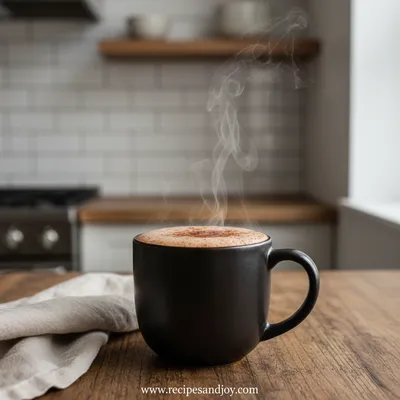 Sweet Treats & Desserts
Healthier Hot Chocolate Recipe
Learn how to make a delicious healthier hot chocolate that's perfect for a cozy warm beverage.
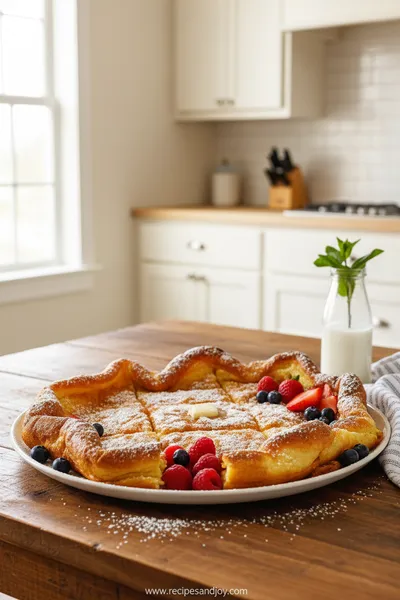
Baked German Pancake Recipe
This magical baked German pancake puffs up beautifully in the oven, creating a tender, custardy center with crispy golden edges - perfect for feeding a hungry family on busy mornings
Timing
Prep Time
10 Minutes
Cook Time
20 Minutes
Total Time
30 Minutes
Recipe Details
Ingredients
Pancake Batter
-
01
4 large eggs (room temperature)
-
02
1 cup whole milk
-
03
1 cup all-purpose flour
-
04
2 tablespoons granulated sugar
-
05
1 teaspoon vanilla extract
-
06
½ teaspoon salt
For Baking
-
01
4 tablespoons unsalted butter
-
02
Powdered sugar for dusting
-
03
Maple syrup for serving
Instructions
Preheat your oven to 425°F (220°C). Place a 10-inch cast iron skillet or oven-safe baking dish in the oven to heat up while you prepare the batter.
In a large blender or mixing bowl, combine the eggs, milk, flour, sugar, vanilla, and salt. Blend or whisk until smooth, but don't overmix - a few small lumps are fine. Let the batter rest for 5-10 minutes while the oven finishes heating.
Carefully remove the hot skillet from the oven using oven mitts. Add the butter and swirl until melted and sizzling, coating the bottom and sides of the pan completely.
Immediately pour the batter into the hot, buttered skillet. It should sizzle and start cooking around the edges right away. Quickly return the skillet to the oven.
Bake for 18-22 minutes without opening the oven door. The pancake should puff dramatically around the edges and turn golden brown. The center will be set but still slightly soft.
Remove from oven and let stand for 2-3 minutes - it will deflate slightly, creating perfect wells for toppings. Dust with powdered sugar and serve immediately with maple syrup and your favorite fruits.
Notes & Tips
-
1
Room temperature ingredients are crucial for maximum puff - take eggs and milk out 30 minutes before baking
-
2
Don't open the oven during the first 15 minutes of baking - the temperature drop can affect the rise
-
3
The pancake is best served immediately while the edges are still crisp
-
4
Leftovers can be refrigerated but will lose their crispy texture - better to make fresh each time
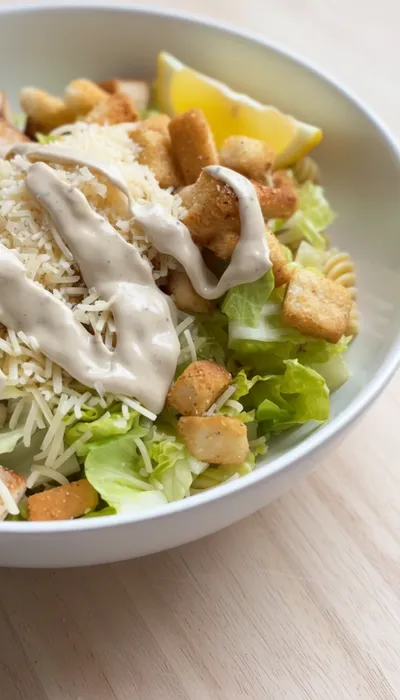 Easy Everyday Dinners
Chicken Caesar Pasta Salad Recipe
Quick creamy chicken Caesar pasta salad, ideal for weeknight meals.
Tools You'll Need
-
10-inch cast iron skillet or oven-safe baking dish
-
Blender or large mixing bowl
-
Whisk
-
Measuring cups and spoons
-
Oven mitts
-
Sifter for powdered sugar
Must-Know Tips
-
Preheat your pan in the oven - this creates an instant sear for better puffing
-
Let the batter rest briefly to allow the flour to hydrate fully
-
Serve immediately for the ideal texture contrast between crisp edges and soft center
-
Don't worry when it deflates - that's normal and creates perfect syrup pockets
Professional Secrets
-
Room temperature eggs incorporate more air, creating maximum lift and volume
-
A hot pan creates instant steam for dramatic rising action
-
Resting the batter allows gluten to relax, resulting in a more tender texture

Recipe by
Emily ParkerFood hugs in every bite 🥘✨ Lover of cozy meals, nostalgic flavors, and slow evenings around the table ❤️
Get Delicious Recipes Weekly
Join 25,000+ home cooks getting our best recipes straight to their inbox.
Free forever • No spam • Unsubscribe anytime