
The orange juice cake traces its roots to early 20th‑century home bakers who wanted a simple, budget‑friendly dessert that still felt special. By swapping milk for orange juice, they added natural sweetness and a fragrant lift without extra sugar. I recall reading about a British housewife who used leftover juice from a marmalade batch, turning what might be waste into delight. The technique spread, and soon families across the Atlantic embraced the bright loaf, often serving it at tea or as a humble birthday treat. orange cardamom muffins echo this tradition with spice, but the cake remains the pure expression of citrus.
Why You'll Love It
-
- Bright citrus flavor without artificial additives
-
- Moist texture that stays fresh for days
-
- Simple pantry ingredients; no fancy equipment needed
-
- Versatile: serve plain, dusted, or with a glaze
"The cake's aroma fills the house, and the crumb is so tender—pure joy!"
Essential Ingredient Guide
- Fresh orange juice: Provides natural sweetness and a fragrant tang; choose juice with no pulp for a smoother batter.
- All‑purpose flour: Creates the soft crumb; sift with baking powder for even rise.
- Unsalted butter: Adds richness; melt gently so it blends without browning.
- Ground cinnamon: A hint of warm spice that deepens the orange’s brightness.
- Lemon zest: Boosts acidity and lifts the citrus aroma.
- Honey: A natural sweetener that keeps the cake moist; optional if you prefer less sweetness.
Complete Cooking Process
-
Ingredient Readiness:
Measure flour, sift with leavening, and grate zest while the butter slowly melts; this quiet preparation sets the stage.
-
Flavor Development:
Combine butter, honey, and orange juice, letting the warmth coax out the citrus oils before folding in dry ingredients.
-
Texture Control:
Mix just until combined; over‑mixing would toughen the crumb, and you’ll feel that if you watch the batter turning glossy.
-
Finishing Touches:
Pour batter into a prepared pan, smooth the top, and sprinkle a light dusting of orange zest for a final aroma burst.
-
Serving Timing:
Allow the cake to cool in the pan for ten minutes, then turn out onto a rack; serve warm or at room temperature.
-
Use freshly squeezed juice for the brightest flavor.
-
If the batter seems thick, add a splash more juice; it stays moist.
-
Taste the batter before baking—adjust with a pinch more salt if needed.
Pro Tips
I find that letting the batter rest for a few minutes after mixing lets the flour fully hydrate, giving the crumb an extra tenderness. Also, a quick swipe of butter on the pan before pouring the batter ensures a clean release, so you get that perfect golden edge without any frustration.
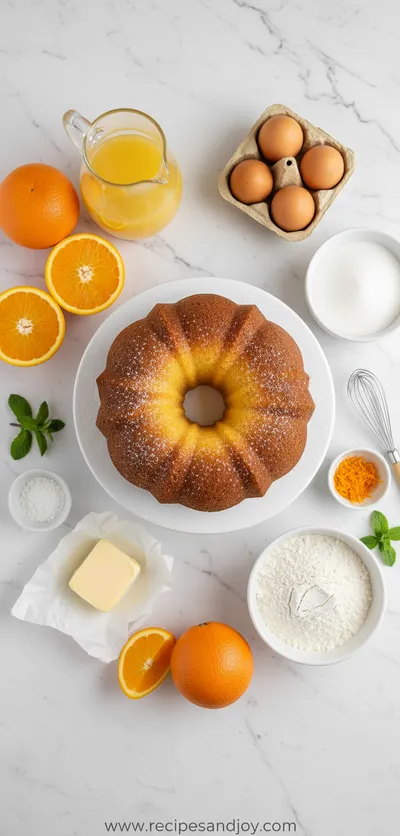
The essence of the dish:
A tender crumb saturated with orange juice, balanced by buttery richness and a whisper of warm spice, making each bite feel like a sunrise.
A fun fact or historical angle:
During the 1930s, many families used orange juice in baked goods to stretch limited sugar supplies, turning necessity into a beloved tradition.
Flavor or sensory focus:
The initial scent is bright citrus, followed by a mellow buttery warmth; the texture is soft yet slightly crumbly, melting gently on the tongue.
You Must Know
-
Do not over‑beat the batter.
-
Watch the oven; the cake browns quickly.
-
Allow cooling before slicing for clean cuts.
Frequently Asked Questions
→ Can I use bottled orange juice?
Yes, but fresh juice offers brighter flavor; if using bottled, choose one without added pulp or sugar.
→ How long does the cake stay fresh?
Stored airtight at room temperature it stays moist for up to four days; you can also freeze for longer storage.
→ Can I add a glaze?
A simple glaze of powdered sugar mixed with orange juice adds a sweet finish; drizzle after the cake has cooled.
→ What if I don’t have honey?
Maple syrup or agave nectar work as substitutes; reduce the amount slightly as they are liquid.
→ Is this cake gluten‑free?
Swap the all‑purpose flour for a 1‑to‑1 gluten‑free blend; the texture remains pleasantly soft.
→ Can I add nuts?
Chopped almonds or pistachios add a nice crunch; fold them in with the dry ingredients.
Nutrition Facts
per serving
280
Calories
4g
Protein
45g
Carbs
9g
Fat
Taste Profile
Brightly sweet with citrus notes
Ingredient Substitutions
Don't have an ingredient? Try these alternatives
Use slightly less as maple is thinner; it adds a gentle caramel note.
Provides a nuttier flavor; may require a touch more liquid.
Recipe Variations
Try these delicious twists on the original
Spicy Version
Add ½ tsp ground ginger and a pinch of cayenne for a subtle heat that balances the orange.
Mediterranean Style
Stir in chopped pistachios and a drizzle of honey after baking for a nutty finish.
Common Mistakes to Avoid
Learn from others' mistakes for perfect results
- Over‑mixing the batter, which creates a dense crumb.
- Opening the oven door too early, causing the cake to collapse.
- Using too much orange juice, making the batter runny.
Meal Prep & Storage
Make Ahead Tips
You can whisk the dry ingredients together and store them in an airtight container for up to a week; the batter can be refrigerated for 2‑3 hours before baking.
Leftover Ideas
Reheat gently in a skillet over low heat, covered, to restore moisture without drying out.
Perfect Pairings
Serve this with...
Cooking Timeline
Gather and measure all ingredients; zest oranges and lemons.
Mix wet ingredients and combine with dry mixture gently.
Pour batter into pan, smooth top, and place in preheated oven.
Bake until golden and a tester comes out clean; rotate pan halfway.
Cool, glaze, slice, and serve.


Delicious Orange Juice Cake
Moist and bright orange juice cake perfect for any occasion—easy to bake, naturally sweet, and full of citrus flavor.
Timing
Prep Time
20 Minutes
Cook Time
35 Minutes
Total Time
55 Minutes
Recipe Details
Ingredients
Main Ingredients
-
01
2 cups all‑purpose flour
-
02
1 ½ tsp baking powder
-
03
½ tsp baking soda
-
04
¼ tsp salt
-
05
½ cup unsalted butter, melted
-
06
½ cup honey
-
07
1 cup fresh orange juice
-
08
2 large eggs
-
09
Zest of 1 orange
-
10
1 tsp lemon zest
-
11
1 tsp ground cinnamon
Optional Glaze
-
01
½ cup powdered sugar
-
02
2‑3 tbsp orange juice
Instructions
Preheat the oven to 350°F (175°C). Grease a 9‑inch loaf pan and line with parchment; this helps the cake release gracefully.
In a bowl, whisk together flour, baking powder, baking soda, salt, and cinnamon; set aside.
In another bowl, combine melted butter, honey, orange juice, lemon zest, and orange zest; beat in the eggs one at a time until smooth.
Gradually stir the dry ingredients into the wet mixture, mixing just until incorporated—no over‑mixing.
Pour the batter into the prepared pan, smooth the top, and bake for 30‑35 minutes, or until a toothpick comes out clean.
While the cake cools, whisk powdered sugar with orange juice to make a glaze; chocolate raspberry fans often appreciate a similar glaze.
Drizzle the glaze over the cooled cake, let it set, then slice and serve.
Notes & Tips
-
1
If the cake tops too quickly, tent with foil to prevent over‑browning.
-
2
A light dusting of powdered sugar adds an extra sweet finish without extra glaze.
-
3
For extra citrus punch, add a tablespoon of orange zest to the glaze.

Tools You'll Need
-
9‑inch loaf pan
-
Mixing bowls
-
Wire whisk
-
Rubber spatula
-
Cooling rack
-
Measuring cups and spoons
Must-Know Tips
-
Don’t over‑beat the batter, it can make the cake tough.
-
Let the cake rest before slicing for cleaner cuts.
-
Store in an airtight container to retain moisture.
Professional Secrets
-
Room‑temperature butter blends smoothly, ensuring an even crumb.
-
High heat at the start creates a gentle rise, then lower heat finishes baking evenly.
-
A quick steam burst (place a pan of water in the oven) keeps the interior moist.

Recipe by
Lily AndersonLife is sweeter with dessert 🍰💕 Baking joy, spreading smiles, and loving every sprinkle ✨
Get Delicious Recipes Weekly
Join 25,000+ home cooks getting our best recipes straight to their inbox.
Free forever • No spam • Unsubscribe anytime