
The technique behind Japanese pancakes traces back to the Western souffle tradition, adapted in Japan during the early 20th century when bakeries began experimenting with lighter batters. The result was a pancake that swells dramatically, creating a soft, pillow‑like texture unlike any other. This method relies on careful egg separation and gentle folding, allowing air to become the primary leavening force. The dish quickly became a beloved treat in cafés across Tokyo, celebrated for its melt‑in‑the‑mouth quality. Today, home cooks worldwide cherish its simplicity and the comforting aroma it fills the kitchen with.
Why You'll Love It
-
- Light, cloud‑like texture that feels luxurious
-
- Easy to master with a few pantry staples
-
- Versatile serving options – sweet or savory
-
- Gentle, low‑fat cooking for a comforting treat
The pancakes were so airy, they felt like a dream on my tongue.
Essential Ingredient Guide
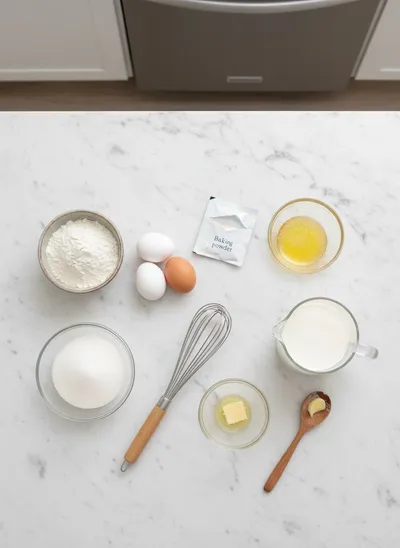
- All‑purpose flour: Use sifted flour for a smoother batter; it helps the pancake stay delicate.
- Eggs, separated: Separating yolks and whites creates the airy lift; beat whites to soft peaks for best rise.
- Milk: Whole milk adds a subtle richness without weighing the batter down.
- Baking powder: A modest amount gives a gentle lift; too much can make the pancake rubbery.
- Sugar: Just enough to sweeten and aid caramelization on the pan surface.
- Unsalted butter: Melted butter adds flavor and a silky mouthfeel.
Complete Cooking Process
-
Ingredient Readiness:
Measure flour, milk, and sugar into a bowl; separate the eggs and bring them to room temperature.
-
Flavor Development:
Whisk yolks with sugar until pale, then fold in milk and melted butter before adding sifted flour and baking powder.
-
Texture Control:
Beat egg whites to soft peaks, then gently fold into the yolk mixture, preserving air bubbles.
-
Finishing Touches:
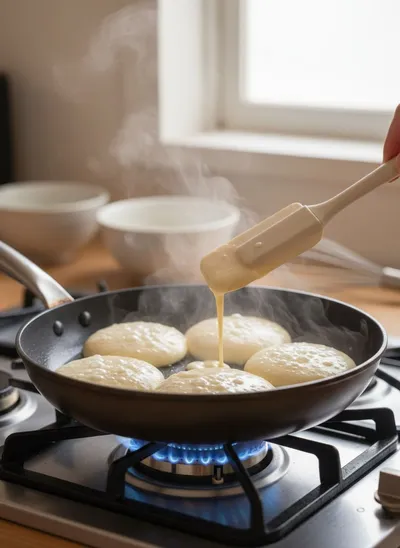
Spoon batter onto a low‑heat skillet, cover, and let steam rise for 4‑5 minutes until the tops puff beautifully.
-
Serving Timing:
Serve immediately, stacking while warm to keep the interior tender and the exterior soft.
-
Use a non‑stick skillet and a thin layer of butter to prevent sticking.
-
Cover the pan with a lid; the trapped steam is essential for that lofty rise.
-
Avoid over‑mixing the batter; gentle folds keep the texture light.
-
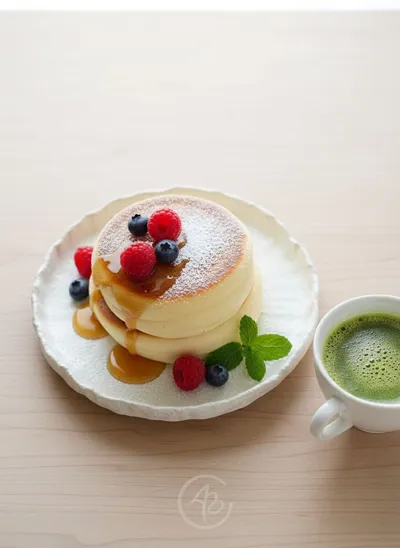
Serve with a dusting of powdered sugar and fresh berries for contrast.
Pro Tips
Honestly, I like to let the pancakes sit for a minute after flipping, just to let the steam settle. It feels like a small pause, a moment of quiet before the bite. The aroma at this point fills the kitchen, warm and sweet, reminding me of early mornings when the house was still hushed. So, take your time, enjoy the slow rhythm, and let each pancake become a gentle celebration.
The essence of the dish:
These pancakes are all about airy lightness, a texture that seems to float on the tongue, balanced by a subtle buttery sweetness.
A fun fact or historical angle:
The Japanese version was inspired by European soufflés, yet it evolved into a uniquely Japanese breakfast staple.
Flavor or sensory focus:
Expect a delicate vanilla perfume, a soft buttery melt, and a hint of caramel from the lightly browned edges.
You Must Know
-
Separate eggs for maximum lift
-
Fold gently to keep air intact
-
Low heat and lid are essential
-
Serve immediately for best texture
Frequently Asked Questions
→ Can I use almond milk instead of dairy milk?
Yes, almond milk works fine; just choose an unsweetened variety to keep the flavor balanced.
→ Do I need a special pan?
A regular non‑stick skillet works; the key is low, even heat and a tight‑fitting lid.
→ How do I keep the pancakes from sticking?
A thin layer of butter or oil, plus a well‑seasoned pan, will prevent sticking without extra grease.
→ Can I add fruit to the batter?
You can fold in small berries after folding the whites, but add them gently to avoid deflating the mixture.
→ What’s the best way to reheat leftovers?
Warm them briefly in a skillet over low heat, covered, to bring back moisture without drying out.
→ Are these pancakes gluten‑free?
Swap the all‑purpose flour for a 1‑to‑1 gluten‑free blend; the texture remains soft and airy.
Nutrition Facts
per serving
210
Calories
6g
Protein
28g
Carbs
8g
Fat
Taste Profile
Delicately sweet with a buttery finish
Ingredient Substitutions
Don't have an ingredient? Try these alternatives
Use a 1‑to‑1 replacement; sift to maintain light texture.
Choose unsweetened; it keeps the flavor balanced.
Recipe Variations
Try these delicious twists on the original
Spicy Version
Add a pinch of ground ginger and a drizzle of sriracha for a subtle heat.
Mediterranean Style
Top with crumbled feta, sliced olives, and a sprinkle of za'atar for a savory twist.
Common Mistakes to Avoid
Learn from others' mistakes for perfect results
- Over‑mixing the batter, which deflates the air.
- Using high heat, causing the outside to brown before the interior rises.
- Skipping the lid, resulting in a flat pancake.
Meal Prep & Storage
Make Ahead Tips
You can separate the eggs and keep the whites whisked in the fridge for up to 12 hours; combine just before cooking.
Leftover Ideas
Reheat gently in a skillet over low heat, covered, to restore softness without drying out.
Perfect Pairings
Serve this with...
Cooking Timeline
Gather and measure all ingredients; separate eggs.
Whisk yolks with milk, butter, and vanilla; fold in dry ingredients.
Beat egg whites to soft peaks and gently fold into batter.
Cook pancakes on low heat, covered, until puffed and set.
Flip briefly, finish cooking, and serve immediately.
Japanese Pancakes Recipe
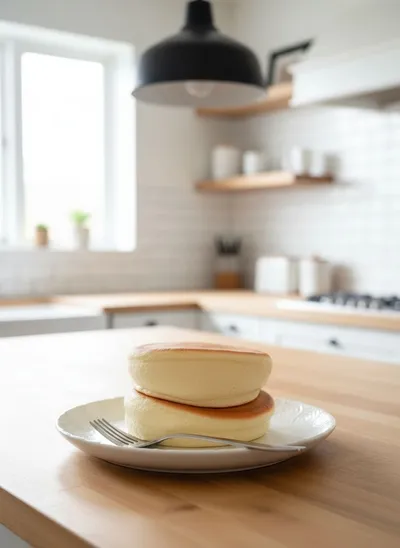
Fluffy Japanese pancakes are light, airy, and perfect for a cozy breakfast or dessert. Learn how to make them at home with simple steps and a gentle touch.
Timing
Prep Time
15 Minutes
Cook Time
20 Minutes
Total Time
35 Minutes
Recipe Details
Ingredients
Batter
-
01
1 cup all‑purpose flour
-
02
2 tbsp sugar
-
03
1 tsp baking powder
-
04
2 large eggs, separated
-
05
3/4 cup whole milk
-
06
2 tbsp melted unsalted butter
-
07
1 tsp vanilla extract
Instructions
In a medium bowl whisk together the flour, sugar, and baking powder; set aside.
Separate the eggs. Beat the yolks with the milk, melted butter, and vanilla until smooth, then fold in the dry ingredients.
Using a clean bowl, beat the egg whites to soft peaks; gently fold them into the batter, preserving as much air as possible.
Heat a non‑stick skillet over low heat, add a tiny pat of butter, then spoon 1/4 cup batter for each pancake. Cover and cook 4‑5 minutes until the top is set and puffed.
Carefully flip to lightly brown the bottom for 1 minute, then serve stacked with syrup, powdered sugar, or fresh fruit.
Notes & Tips
-
1
The batter should be thick but pourable; adjust with a splash of milk if needed.
-
2
Covering the pan is crucial – it creates steam that lifts the pancake.
-
3
Serve immediately; the texture softens as it cools.
Tools You'll Need
-
Non‑stick skillet
-
Mixing bowls
-
Electric mixer or whisk
-
Spatula
-
Lid that fits the skillet
-
Measuring cups
Must-Know Tips
-
Do not over‑mix the batter; gentle folds keep it airy.
-
Keep the heat low; high heat burns the surface before the interior rises.
-
Cover the skillet to trap steam for a lofty stack.
Professional Secrets
-
Room‑temperature eggs blend more evenly.
-
Sifting flour eliminates lumps and adds extra lightness.
-
Folding in egg whites creates a natural leavening effect.

Recipe by
Lily AndersonLife is sweeter with dessert 🍰💕 Baking joy, spreading smiles, and loving every sprinkle ✨
Get Delicious Recipes Weekly
Join 25,000+ home cooks getting our best recipes straight to their inbox.
Free forever • No spam • Unsubscribe anytime