
The origin of German fruit cakes stretches back to medieval celebrations, where dried fruits were treasured for their sweetness during the long winters. Bakers would soak the fruit in brandy or rum to preserve it, creating a dense, flavorful loaf that could last weeks. Over time, the recipe softened, swapping spirits for juice and emphasizing warm spices. This evolution reflects the German love for comforting, enduring desserts that bring families together. While the tradition is ancient, the modern kitchen can recreate it with simple pantry staples, no need for fancy equipment.
Why You'll Love It
-
- The fruit‑filled crumb stays moist for days
-
- Warm spices add depth without overpowering
-
- Easy to make ahead and store
-
- Naturally festive, no frosting needed
“Wow, this cake reminded me of holidays back home—soft, fragrant, and simply perfect.”
Essential Ingredient Guide
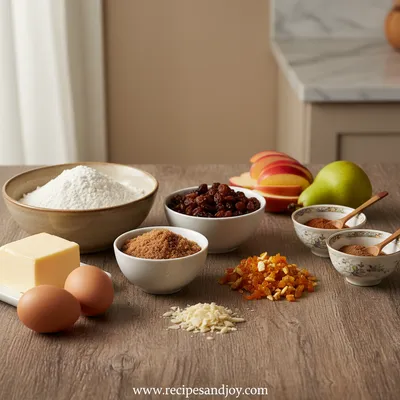
- Mixed dried fruit: Choose plump raisins, chopped apricots, and candied zest; soak in orange juice for extra brightness
- Almonds: Toast lightly to bring out nutty aroma before folding into batter
- Warm spices: A blend of cinnamon, nutmeg, and a pinch of clove creates a cozy flavor profile
- Brown sugar: Adds caramel depth and helps keep the cake tender
- Lemon juice: A splash balances the sweetness and highlights the fruit
- Honey: Provides subtle floral notes and assists in a moist crumb
Complete Cooking Process
-
Ingredient Readiness:
Soak the dried fruit in orange juice for at least an hour; toast the almonds and let them cool.
-
Flavor Development:
Sift the flour with spices, then fold in the soaked fruit and nuts, allowing the flavors to meld before baking.
-
Texture Control:
Beat butter and sugars until light, then carefully incorporate the dry mix to avoid over‑working the batter.
-
Finishing Touches:
Brush the top with a thin glaze of honey and lemon; this gives a gentle shine and extra moisture.
-
Serving Timing:
Let the cake rest overnight; the flavors deepen and the crumb becomes even more tender.
-
Use a light hand when folding to keep the crumb airy
-
Cover the cake with foil halfway through baking to prevent over‑browning
-
Store in an airtight container with a slice of fresh apple to retain moisture
-
Serve slightly warm with a dollop of vanilla whipped cream
Pro Tips
I find that a quiet moment in the kitchen, watching the cake rise, is a reminder of how simple patience can yield something beautiful. When you slice it, notice the glossy glaze catching the light and the perfume of spices drifting outward. It’s a gentle celebration of home, perfect for sharing with friends or simply savoring alone.
The essence of the dish:
A dense yet tender loaf packed with juicy fruit, balanced by the subtle bite of toasted almonds and the comforting hum of winter spices.
A fun fact or historical angle:
In the 1800s German bakers would add a splash of brandy to the fruit, not only for preservation but also to enrich the flavor—today we use orange juice for a lighter touch.
Flavor or sensory focus:
The first bite delivers a burst of sweet fruit, followed by the warm whisper of cinnamon and nutmeg, while the almond adds a gentle crunch.
You Must Know
-
Never over‑mix the batter
-
Let the fruit soak fully
-
Cool the cake completely before slicing
Frequently Asked Questions
→ Can I use fresh fruit instead of dried?
Fresh fruit can be used, but it adds more moisture; you may need to reduce the orange juice and bake a few minutes longer.
→ How long does the cake stay fresh?
Wrapped tightly, it stays moist for up to a week; the flavor even improves after a day.
→ Is this cake suitable for gluten‑free diets?
Yes, substitute regular flour with a gluten‑free blend; the texture remains tender.
→ What can I serve with the cake?
A cup of tea, cold milk, or a light vanilla custard pairs wonderfully.
→ Can I freeze the cake?
Absolutely—wrap slices in plastic wrap and freeze; thaw at room temperature before serving.
→ How do I prevent the top from drying out?
Brush the top with a honey‑lemon glaze halfway through baking and store in a sealed container.
Nutrition Facts
per serving
310
Calories
6g
Protein
48g
Carbs
12g
Fat
Taste Profile
Warm, fruity, and subtly spiced
Ingredient Substitutions
Don't have an ingredient? Try these alternatives
Provides a caramel note with a lower glycemic index
Works in a pinch, though flavor will be slightly different
Recipe Variations
Try these delicious twists on the original
Spicy Version
Add a pinch of ground ginger and a dash of cayenne for a subtle heat that lifts the sweetness.
Mediterranean Style
Fold in toasted pistachios and a drizzle of orange‑infused honey for a sun‑kissed twist.
Common Mistakes to Avoid
Learn from others' mistakes for perfect results
- Over‑mixing the batter, leading to a dense crumb.
- Skipping the fruit soak, resulting in dry pieces.
- Baking at too high a temperature, causing a dry top.
Meal Prep & Storage
Make Ahead Tips
Soak the fruit and bake the cake up to two days ahead; store wrapped and let it rest for fuller flavor.
Leftover Ideas
Warm a slice briefly in the microwave or toaster oven; a drizzle of honey revives the glaze.
Perfect Pairings
Serve this with...
Cooking Timeline
Soak fruit, toast almonds, and preheat oven.
Mix batter, pour into pan, and begin baking.
Cover with foil if needed, finish baking, then glaze.
Cool, slice, and store or serve.

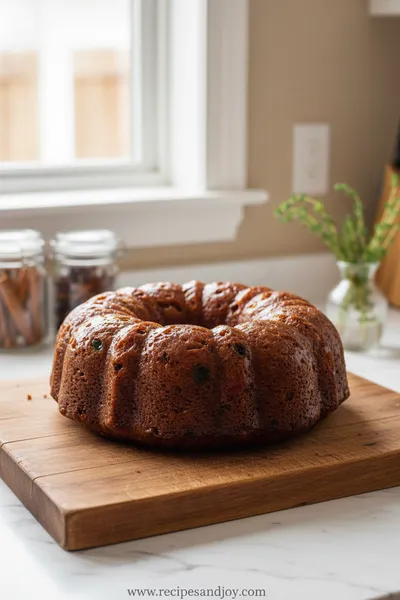
Old Fashioned German Fruit Cake
A comforting slice of Old Fashioned German Fruit Cake, layered with candied cherries, raisins, and warm spices. It feels like a hug on a cool autumn afternoon, with a tender crumb that holds the sweet fruit in gentle embrace.
Timing
Prep Time
20 Minutes
Cook Time
55 Minutes
Total Time
1 Hour 15 Minutes
Recipe Details
Ingredients
Main Ingredients
-
01
2 cups mixed dried fruit (raisins, apricots, candied orange peel)
-
02
1 cup toasted almonds, chopped
-
03
1 ½ cups all‑purpose flour
-
04
½ cup brown sugar
-
05
¼ cup honey
-
06
¼ cup melted butter
-
07
2 large eggs
-
08
½ cup orange juice
-
09
1 tsp ground cinnamon
-
10
½ tsp ground nutmeg
-
11
¼ tsp ground clove
-
12
2 tbsp lemon juice
Instructions
Soak the dried fruit in orange juice for at least 1 hour; this softens them and adds a bright citrus note.
Preheat the oven to 325°F (160°C) and greasing a 9‑inch loaf pan with butter.
In a bowl, whisk together flour, brown sugar, cinnamon, nutmeg, and clove.
In another bowl, beat melted butter, honey, and eggs until light; gently fold in the flour mixture, then stir in the soaked fruit, almonds, lemon juice, and orange juice until just combined.
Pour batter into the prepared pan, smooth the top, and bake for 45‑55 minutes, or until a toothpick comes out clean.
If the top browns too quickly, cover loosely with foil after 30 minutes.
Allow the cake to cool in the pan for 15 minutes, then turn out onto a wire rack; brush the surface with a thin honey‑lemon glaze.
Notes & Tips
-
1
The cake tastes even better the next day after the flavors have fully melded.
-
2
You can add a splash of brandy or rum to the fruit soak for an adult version.
-
3
For a nut‑free version, replace almonds with toasted pumpkin seeds.

Tools You'll Need
-
9‑inch loaf pan
-
Mixing bowls
-
Wire whisk
-
Spatula
-
Cooling rack
-
Fine mesh sieve
Must-Know Tips
-
Don't over‑mix the batter; it keeps the crumb tender.
-
Let the fruit soak fully; this prevents a dry texture.
-
Cover with foil midway to avoid an over‑brown crust.
Professional Secrets
-
Room‑temperature butter blends more evenly with sugar, creating a lighter crumb.
-
Baking at a lower temperature ensures the interior cooks through without a dry exterior.
-
A final glaze locks in moisture and adds a glossy finish.

Recipe by
Lily AndersonLife is sweeter with dessert 🍰💕 Baking joy, spreading smiles, and loving every sprinkle ✨
Get Delicious Recipes Weekly
Join 25,000+ home cooks getting our best recipes straight to their inbox.
Free forever • No spam • Unsubscribe anytime