
Cottage cheese cakes have roots stretching back to Eastern European home baking, where resourceful cooks would transform simple dairy into tender, nourishing desserts. Unlike richer cheesecakes, these humble cakes rely on the natural creaminess of cottage cheese to create a delicate texture that's both satisfying and light. The tradition speaks to making the most of what you have, turning everyday ingredients into something that feels like a small celebration.
Why You'll Love It
-
Incredibly light texture that melts on your tongue
-
Uses simple ingredients you likely already have
-
Perfect balance of subtle sweetness and creamy richness
-
Feels fancy but comes together with minimal effort
"I've made this three times now—it's become our go-to dessert. Even the kids who don't like cottage cheese love it!"
Essential Ingredient Guide
- Cottage Cheese: Use small-curd, full-fat for the creamiest result. Let it sit out for 15 minutes to take the chill off—it blends smoother that way.
- Eggs: Room temperature eggs incorporate better into the batter, giving the cake a more even rise and tender crumb.
- Vanilla Extract: A good quality vanilla adds depth and warmth. You can smell it as soon as you open the bottle—that's how you know it's right.
- Lemon Zest: Just a touch brightens everything up without making it taste lemony. Use a fine grater and only the yellow part—the white pith is bitter.
- Flour: All-purpose works perfectly here. Spoon it into the measuring cup lightly—don't pack it down or the cake can become dense.
- Sugar: This recipe uses just enough to sweeten without overpowering the delicate cheese flavor. You could reduce it slightly if you prefer things less sweet.
 Sweet Treats & Desserts
Healthier Hot Chocolate Recipe
Learn how to make a delicious healthier hot chocolate that's perfect for a cozy warm beverage.
Complete Cooking Process
-
Ingredient Readiness:
Letting the cottage cheese and eggs come to room temperature makes all the difference. Cold ingredients don't blend as smoothly, and you can end up with little lumps in your batter. I usually set everything out on the counter while I have my morning coffee.
-
Flavor Development:
The vanilla and lemon zest work together to create this lovely background note that makes the cake taste more complex than it really is. You'll notice it most when the cake is still slightly warm.
-
Texture Control:
Blending the cottage cheese until it's nearly smooth gives you that creamy consistency, but leaving a few tiny curbs adds character. It's like little surprises in each bite.
-
Finishing Touches:
A light dusting of powdered sugar right before serving makes it look pretty, but honestly, it's just as good without. Sometimes I skip it if we're eating it straight from the pan.
-
Serving Timing:
This cake is wonderful warm, but it sets up beautifully when cooled completely. I actually prefer it the next day—the flavors settle and it becomes even more tender.
-
Blend the cottage cheese in batches if your blender is small—it incorporates better
-
Scrape down the bowl sides frequently to ensure even mixing
-
Don't overmix after adding flour—stop as soon as it's combined
-
Let the cake cool in the pan for 10 minutes before removing—it needs time to set
Pro Tips
You know, I've burned a few cakes in my time by being impatient. Waiting those extra minutes really does make a difference—the cake pulls away from the sides slightly when it's ready. And scraping the bowl... well, I used to skip that step until I realized I was missing pockets of unmixed flour. Now I do it without thinking, like brushing crumbs off the counter.
This cake has become one of those recipes I make when I need something comforting but don't want to fuss. It pairs beautifully with a simple fruit compote or just eaten plain with tea. I sometimes think about how similar it is to the heartiness you find in a good hearty vegan stew—both humble, both satisfying in their own way.
 Easy Everyday Dinners
Chicken Caesar Pasta Salad Recipe
Quick creamy chicken Caesar pasta salad, ideal for weeknight meals.
The essence of the dish:
What makes this cottage cheese cake special is its unassuming nature. It doesn't shout for attention—it quietly wins you over with its tender texture and subtle sweetness. It's the kind of dessert that feels both nourishing and indulgent at the same time.
A fun fact or historical angle:
Cottage cheese cakes were originally a way to use up leftover dairy before refrigeration. Cooks would combine it with eggs and flour to create a sustaining treat that could feed a family without wasting precious ingredients.
Flavor or sensory focus:
The first thing you'll notice is the delicate aroma—milky and sweet with a hint of vanilla. Then comes the texture: soft, almost cloud-like, with occasional creamy pockets from the cheese. It's comforting in the same way a warm garbanzo bean soup is on a chilly day.
You Must Know
-
Don't skip blending the cottage cheese—texture matters here
-
Room temperature ingredients are non-negotiable for best results
-
The cake will puff up beautifully but sink slightly as it cools—that's normal
-
Let it cool completely before cutting for clean slices
Frequently Asked Questions
→ Can I use low-fat cottage cheese?
You can, but full-fat gives you that wonderful creaminess that makes this cake special. Low-fat might result in a slightly drier texture.
→ My cake sunk in the middle—is that normal?
Yes, absolutely. This cake puffs up beautifully in the oven but settles as it cools. It's part of its charm—the center becomes extra tender.
→ Can I add berries to the batter?
Frozen berries will release too much liquid, but you could sprinkle fresh berries on top before baking. They'll sink slightly and create pretty pockets of fruit.
→ How long does this keep?
About 3-4 days covered at room temperature, or up to a week refrigerated. It actually gets more flavorful the next day.
→ Can I freeze this cake?
Yes! Wrap it well and freeze for up to 3 months. Thaw slowly in the refrigerator for best texture.
→ What's the best way to serve it?
Room temperature is perfect. Sometimes I warm it slightly and serve with a dollop of Greek yogurt—it reminds me of how comforting a good vegan stew can be on a cold evening.

Nutrition Facts
per serving
215
Calories
10g
Protein
32g
Carbs
5g
Fat
Taste Profile
Delicate sweetness with creamy, milky notes and a hint of vanilla and lemon
Ingredient Substitutions
Don't have an ingredient? Try these alternatives
Ricotta will give a slightly denser, richer result but works beautifully
Adds a nutty flavor and more fiber—the texture will be slightly denser
Recipe Variations
Try these delicious twists on the original
Lemon Poppy Seed Version
Add 2 tablespoons of poppy seeds and the juice of half a lemon to the batter for a brighter, more textured cake
Orange Almond Variation
Use orange zest instead of lemon and add ½ cup finely ground almonds for a nutty flavor
Common Mistakes to Avoid
Learn from others' mistakes for perfect results
- Using cold ingredients—results in uneven mixing
- Overmixing the batter after adding flour—creates a tough cake
- Not blending the cottage cheese enough—texture will be grainy
- Opening the oven too early—can cause the cake to fall
Meal Prep & Storage
Make Ahead Tips
You can mix the dry ingredients a day ahead and store in an airtight container. The batter can be mixed and refrigerated for up to 4 hours before baking—bring to room temperature for 30 minutes before baking.
Leftover Ideas
Leftover cake is wonderful lightly toasted and served with yogurt for breakfast. It also makes a nice lunchbox treat—firm enough to travel well but still tender.
Perfect Pairings
Serve this with...
Cooking Timeline
Prep ingredients and bring to room temperature, preheat oven, prepare baking pan
Blend cottage cheese and mix wet ingredients until fluffy
Combine dry ingredients, mix into wet ingredients just until combined
Pour batter into pan, smooth top, place in oven
Bake for 40-45 minutes, then cool in pan for 10 minutes
Cool completely on rack before serving

Cottage Cheese Cake Recipe
A beautifully simple cottage cheese cake with a tender crumb and subtle sweetness that makes any afternoon feel special. This light dessert comes together with humble ingredients and leaves you with that warm, satisfied feeling of home.
Timing
Prep Time
15 Minutes
Cook Time
45 Minutes
Total Time
60 Minutes
Recipe Details
Ingredients
Cake Batter
-
01
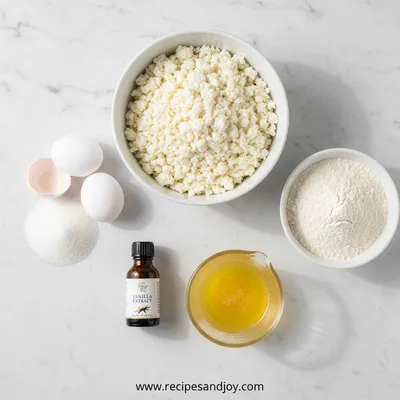
2 cups small-curd cottage cheese (full-fat)
-
02
3 large eggs, room temperature
-
03
1 cup granulated sugar
-
04
1 teaspoon vanilla extract
-
05
Zest of 1 lemon
-
06
1 cup all-purpose flour
-
07
1 teaspoon baking powder
-
08
¼ teaspoon salt
For Serving (Optional)
-
01
Powdered sugar for dusting
-
02
Fresh berries
-
03
Whipped cream or Greek yogurt
Instructions
Preheat your oven to 350°F (175°C). Grease a 9-inch springform pan and line the bottom with parchment paper. Honestly, the parchment paper makes all the difference—no sticking worries.
In a blender or food processor, blend the cottage cheese until it's mostly smooth but still has some texture. You want those little creamy surprises throughout the cake. Pour it into a large mixing bowl.
Add the eggs, sugar, vanilla, and lemon zest to the cottage cheese. Beat with an electric mixer on medium speed until everything is well combined and slightly fluffy—about 2 minutes. You'll see little bubbles forming, which is exactly what you want.
In a separate bowl, whisk together the flour, baking powder, and salt. Gradually add these dry ingredients to the wet mixture, mixing on low speed just until combined. Don't overmix—stop as soon as you don't see flour streaks.
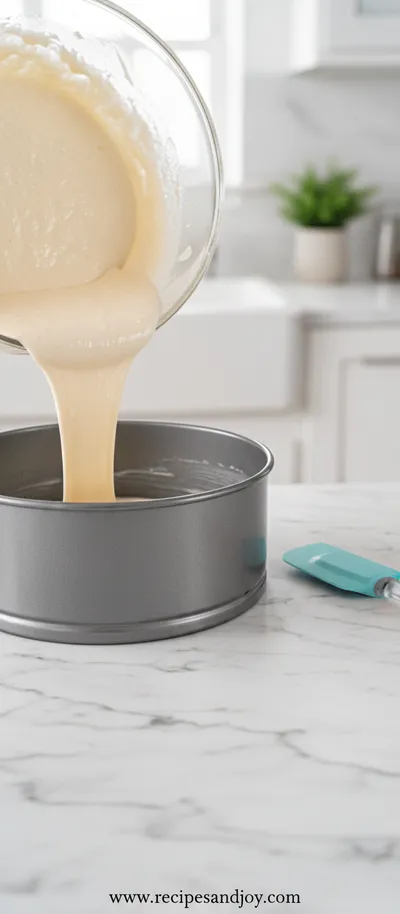
Pour the batter into your prepared pan and smooth the top. Bake for 40-45 minutes, until the top is golden and a toothpick inserted in the center comes out clean. The cake will puff up beautifully—it always makes me smile to see it rise.
Let the cake cool in the pan for 10 minutes before releasing the springform ring. Cool completely on a wire rack. Dust with powdered sugar if you like, or serve as is. It's wonderful warm, but even better the next day.
Notes & Tips
-
1
Room temperature ingredients are key for the best texture
-
2
Don't skip blending the cottage cheese—it makes the cake wonderfully creamy
-
3
The cake will sink slightly as it cools—this is normal and actually improves the texture
-
4
Store covered at room temperature for up to 3 days
Tools You'll Need
-
9-inch springform pan
-
Blender or food processor
-
Electric mixer
-
Mixing bowls
-
Measuring cups and spoons
-
Wire cooling rack
Must-Know Tips
-
Don't overmix after adding flour—stop as soon as combined
-
Let cake cool completely before cutting for clean slices
-
Use full-fat cottage cheese for the creamiest result
-
Blend cottage cheese in batches if your blender is small
Professional Secrets
-
Room temperature ingredients ensure even mixing and baking
-
Lining the pan with parchment prevents sticking perfectly
-
A light dusting of flour on the parchment helps release
-
Cooling in the pan for 10 minutes allows structure to set

Recipe by
Lily AndersonLife is sweeter with dessert 🍰💕 Baking joy, spreading smiles, and loving every sprinkle ✨
Get Delicious Recipes Weekly
Join 25,000+ home cooks getting our best recipes straight to their inbox.
Free forever • No spam • Unsubscribe anytime