
I remember my grandmother’s kitchen was always warm, and something was always simmering on the stove. She had this big, heavy-bottomed pot that was blackened with age and love, and it was her vessel for creating the most incredible stews. While her versions were never vegan, the feeling they evoked is what I wanted to capture here. It was the feeling of being looked after, of being welcomed into a space where a meal was more than just food; it was a story in a bowl. She taught me that the secret wasn't a fancy ingredient but patience—letting the flavors have time to get to know each other.
My friend, another wonderful cook you might know, Lily Anderson, and I often talk about these food memories. We both agree that recreating a dish is like traveling back in time for a moment. This stew is my little time machine. Every time the scent of simmering rosemary and bay leaf fills my house, I'm right back in that cozy kitchen, the window fogged up from the steam, feeling completely safe and content. It’s my humble attempt to pass that feeling on, from my kitchen to yours.
Why You'll Adore This Stew
-
Deep, Rich Flavor: We build layers of flavor from the ground up, starting with a classic mirepoix and adding umami-rich mushrooms, tomato paste, and herbs. The result is a savory, deeply satisfying broth that tastes like it’s been simmering for days, not just an hour.
-
Incredibly Hearty & Satisfying: Packed with potatoes, carrots, peas, and protein-rich lentils, this stew is a complete meal in one bowl. It's the kind of food that fills you up and leaves you feeling nourished and content, perfect for hungry appetites after a long day.
-
Simple, Wholesome Ingredients: This recipe celebrates the beauty of simple vegetables and pantry staples. It’s a wonderful example of simple family cooking, using accessible ingredients to create something truly delicious and good for you.
-
One-Pot Wonder: Honestly, who doesn't love a meal that comes together in a single pot? The cleanup is minimal, which makes it an absolute winner for a weeknight dinner. Everything just simmers away, making your home smell incredible while you get to relax.
This stew is like a warm hug in a bowl. My family couldn't believe it was vegan!
Essential Ingredient Guide
- Cremini Mushrooms: These are the secret to the stew's deep, savory flavor. Look for firm, smooth mushrooms without any soft spots. Don't wash them under running water, as they'll absorb it and become soggy. Just wipe them clean with a damp paper towel. We'll be browning them nicely to release their rich, umami flavor, which really forms the backbone of the entire dish.
- Root Vegetables (Carrots & Potatoes): This is where the 'old-fashioned' heartiness comes from. I love using Yukon Gold potatoes because they hold their shape beautifully but still become creamy and tender. For the carrots, choose ones that feel firm and look vibrant. Peeling them is optional; a good scrub is often enough. These vegetables soak up all the flavors of the broth and provide that wonderful, comforting substance.
- Fresh Herbs (Rosemary & Thyme): Please, if you can, use fresh herbs here. They make a world of difference. The woody, pine-like scent of rosemary and the earthy, slightly minty notes of thyme are essential. A few sprigs tossed in while the stew simmers will infuse the entire pot with an aroma that is just divine. It’s that final touch that transforms it from a simple vegetable soup into a truly memorable stew.

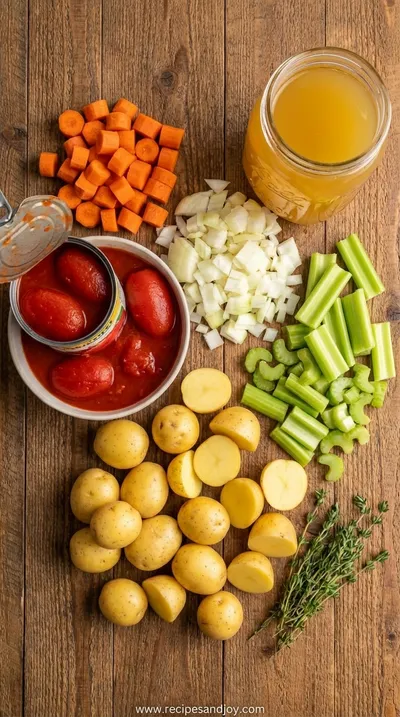
Complete Cooking Process
-
Sautéing the Foundation:
The first step is all about building that crucial base layer of flavor. It begins with patiently sautéing the onions, carrots, and celery until they’re soft and fragrant. This isn't a step to rush! You want them to release their natural sweetness. Then, we add the mushrooms and let them get beautifully browned. This caramelization process, known as the Maillard reaction, is where the deep, savory, almost 'meaty' flavor comes from. It's a quiet, meditative process that fills your kitchen with the most comforting aroma and sets the stage for a truly rich-tasting stew.
-
Simmering to Perfection:
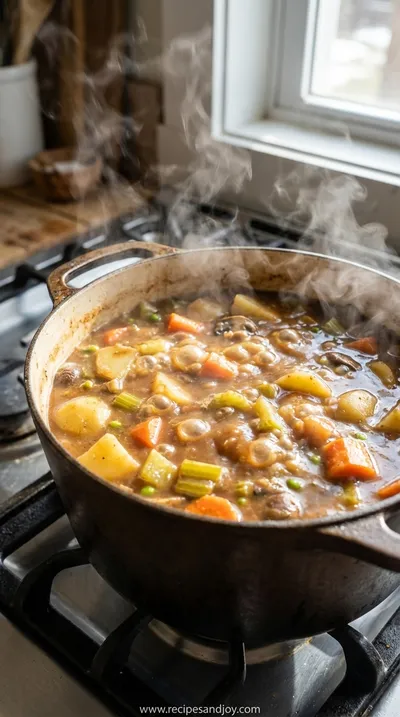
Once the vegetables have developed their flavor, we'll stir in the garlic and tomato paste, letting them toast for just a minute to deepen their taste. Then comes the liquid—a good vegetable broth—along with the potatoes, lentils, and those gorgeous fresh herbs. Now, the magic really happens. You'll bring it to a gentle simmer, then reduce the heat, cover the pot, and just let it be. This slow, gentle cooking allows all the individual elements to meld, for the potatoes to become tender, and for the broth to become infused with every bit of herbal, earthy goodness.
-
The Finishing Touches:
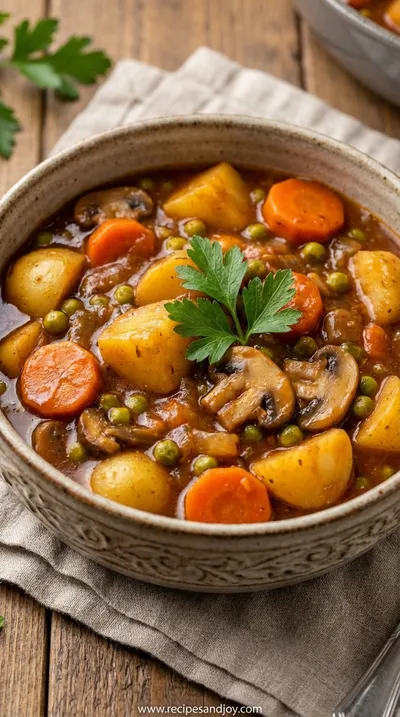
After about 30-40 minutes of simmering, when the potatoes are fork-tender and the lentils are soft, the stew is nearly ready. This is the moment to taste and adjust. Does it need a little more salt or a grind of black pepper? Now, you'll stir in the frozen peas for a pop of sweetness and color—they only need a minute or two to warm through. Finally, you'll remove the herb sprigs and bay leaf. Ladle the hot, fragrant stew into bowls and finish with a sprinkle of fresh parsley. It's that final touch of green that makes it feel so fresh and complete.
-
Don't overcrowd the pot when browning the mushrooms; do it in batches if needed for the best color and flavor.
-
Use a high-quality, flavorful vegetable broth, as it makes up the bulk of the stew's liquid base.
-
Let the stew rest for 10-15 minutes off the heat before serving. The flavors will settle and deepen even more.
-
If you want an even thicker stew, you can mash a few of the cooked potato pieces against the side of the pot.
Pro Tips for a Perfect Stew
Remember, stew is all about slow, gentle cooking. It's a forgiving dish, so relax and enjoy the process.
 Sweet Treats & Desserts
Healthier Hot Chocolate Recipe
Learn how to make a delicious healthier hot chocolate that's perfect for a cozy warm beverage.
Frequently Asked Questions
→ Can I use different vegetables in this stew?
Oh, absolutely! This recipe is incredibly versatile and forgiving. Think of it as a template for whatever you have in your fridge. Parsnips, turnips, or sweet potatoes would be wonderful additions. You could also add some chopped butternut squash in the fall. Towards the end of cooking, you could stir in some chopped kale or spinach for extra greens. Just be mindful of cooking times—harder root vegetables will need to be added with the potatoes, while softer greens only need a few minutes.
→ How can I make the stew even richer?
If you want to deepen the flavor even more, there are a few little tricks. A splash of soy sauce or tamari can add a wonderful umami kick. You could also try adding a tablespoon of nutritional yeast for a slightly cheesy, nutty flavor. Another option is to deglaze the pot with a splash of vegetable broth after sautéing the vegetables to scrape up all those delicious browned bits from the bottom. My friend Emily Parker swears by adding a spoonful of miso paste at the end for incredible depth.
→ Can I make this stew ahead of time?
Yes, and honestly, it tastes even better the next day! Like many stews, the flavors have more time to meld and deepen overnight. Simply let it cool completely and store it in an airtight container in the refrigerator for up to 4 days. When you're ready to serve, just reheat it gently on the stovetop. You may need to add a small splash of water or broth to thin it out a bit, as it can thicken upon standing.
→ What kind of lentils are best for this stew?
I recommend using brown or green lentils for this recipe. They hold their shape relatively well during the long simmer, so you get a nice texture in the final dish. Red or yellow lentils tend to break down and dissolve more, which would result in a much thicker, more puréed consistency. While that can be lovely, for this classic, chunky stew, brown or green lentils are definitely the way to go.
→ Is this recipe gluten-free?
It certainly can be! The recipe as written is naturally gluten-free. The only thing you need to double-check is your vegetable broth to ensure it doesn't contain any hidden gluten. If you decide to add soy sauce for extra flavor, be sure to use a gluten-free tamari instead. It’s a very easy recipe to adapt for various dietary needs, which is one of the reasons I love it so much. If you're looking for more ideas, we have many more recipes on the site.
Nutrition Facts
per serving
285
Calories
10g
Protein
45g
Carbs
8g
Fat
Taste Profile
A deeply savory and earthy stew with a natural sweetness from the root vegetables and a fragrant, herbal finish.
Ingredient Substitutions
Don't have an ingredient? Try these alternatives
Russets will break down a bit more, which can help thicken the stew naturally. Sweet potatoes will add a distinct sweetness, creating a different but equally delicious flavor profile.
If using canned beans, add them during the last 10 minutes of cooking, as they just need to be heated through. They won't need the long simmer that dried lentils do.
Recipe Variations
Try these delicious twists on the original
Smoky Paprika Version
Add 1 teaspoon of smoked paprika along with the tomato paste. It will give the stew a lovely, subtle smokiness that pairs beautifully with the earthy vegetables.
Creamy Herb Version
For a richer, creamier finish, stir in 1/4 cup of full-fat coconut milk or a plant-based cream alternative during the last 5 minutes of cooking. It adds a lovely touch of decadence.
Common Mistakes to Avoid
Learn from others' mistakes for perfect results
- Rushing the first step. Patiently sweating the mirepoix (onions, carrots, celery) builds a crucial sweet and aromatic flavor base.
- Not browning the mushrooms enough. The color you get on the mushrooms translates directly to deep, savory flavor in the finished stew.
- Boiling instead of simmering. A hard boil can cause the vegetables to break down too much and become mushy. A gentle simmer is all you need.
- Forgetting to season at the end. Tasting and adjusting the salt and pepper after the stew has simmered is key to making the flavors pop.
Meal Prep & Storage
Make Ahead Tips
You can absolutely make this stew ahead of time. In fact, the flavors get even better on the second day. Store it in an airtight container in the fridge for up to 4 days. You can also prep the vegetables (onion, carrots, celery, potatoes) a day in advance and store them in the refrigerator to make assembly even quicker.
Leftover Ideas
Leftover stew is wonderful reheated gently on the stove. It makes for a perfect, quick lunch the next day. Sometimes I like to serve the leftovers over a baked potato or even use it as a base for a pot pie by topping it with a puff pastry sheet and baking until golden.
Perfect Pairings
Serve this with...
Cooking Timeline
Prep all your vegetables: chop the onion, carrots, and celery; slice the mushrooms; cube the potatoes; and mince the garlic.
Sauté the onion, carrots, and celery until soft. Add the mushrooms and cook until browned and their liquid has evaporated.
Stir in the garlic and tomato paste. Add the broth, potatoes, lentils, and herbs. Bring to a boil.
Reduce heat, cover, and let the stew simmer gently until potatoes and lentils are tender.
Remove herbs, stir in peas, season to taste with salt and pepper, and serve garnished with parsley.
 Easy Everyday Dinners
French Onion Beef Sloppy Joes – Easy Dinner
Hearty French onion beef sloppy joes with caramelized onions and a savory, sweet sauce.

Old-Fashioned Vegan Stew: Hearty Plant-Based Comfort
Warm up with this classic old-fashioned vegan stew recipe - a hearty, comforting dish perfect for simple family cooking any night of the week.
Timing
Prep Time
20 Minutes
Cook Time
50 Minutes
Total Time
1 Hour 10 Minutes
Recipe Details
Ingredients
For the Stew
-
01
2 tablespoons olive oil
-
02
1 large yellow onion, chopped
-
03
2 large carrots, peeled and sliced into 1/2-inch rounds
-
04
2 celery stalks, chopped
-
05
8 ounces cremini mushrooms, sliced
-
06
4 cloves garlic, minced
-
07
2 tablespoons tomato paste
-
08
1 ½ pounds Yukon Gold potatoes, cut into 1-inch cubes
-
09
1/2 cup brown or green lentils, rinsed
-
10
6 cups vegetable broth, low sodium
-
11
2 sprigs fresh rosemary
-
12
4 sprigs fresh thyme
-
13
1 bay leaf
-
14
1 cup frozen peas
-
15
Salt and freshly ground black pepper to taste
For Garnish (Optional)
-
01
Fresh parsley, chopped
Instructions
First, we begin by building our flavor base. Place a large Dutch oven or heavy-bottomed pot over medium heat and add the olive oil. Once it shimmers, add the chopped onion, carrots, and celery. Let them cook gently, stirring occasionally, for about 8-10 minutes. You want them to soften and become fragrant, not brown too quickly. This slow start coaxes out their sweetness. Then, increase the heat to medium-high, add the sliced mushrooms, and cook, stirring occasionally, until they’ve released their liquid and started to brown nicely. This step is so important for that deep, savory flavor.
Now that your vegetables have a lovely color, it's time to add more layers. Add the minced garlic and tomato paste to the pot. Stir constantly for about one minute until the garlic is fragrant and the tomato paste has darkened slightly in color. This little step toasts the paste and removes any raw taste, deepening its flavor. It’s one of those tiny details that makes a huge difference. You can explore more tips like this across our site.
Pour in the vegetable broth, using a wooden spoon to scrape up any browned bits from the bottom of the pot—that’s pure flavor right there! Add the cubed potatoes, the rinsed lentils, the fresh rosemary and thyme sprigs, and the bay leaf. Give everything a good stir to combine. Bring the mixture to a boil, then immediately reduce the heat to low, cover the pot, and let it gently simmer. It needs about 30-40 minutes, or until the potatoes are tender and the lentils are cooked through. The whole house will start to smell incredible.
Once the potatoes are easily pierced with a fork, your stew is almost ready. Remove the rosemary and thyme sprigs and the bay leaf. Stir in the frozen peas; they just need a couple of minutes in the hot liquid to cook through. Now, taste the stew and season generously with salt and freshly ground black pepper until the flavors really sing. Ladle the hot stew into warm bowls and garnish with a sprinkle of fresh parsley for a bit of brightness. It's ready to be enjoyed.
Notes & Tips
-
1
This stew thickens as it cools. When reheating, you may want to add a splash of vegetable broth or water to bring it back to your desired consistency.
-
2
For an extra touch of richness, you can stir in a splash of unsweetened plant-based cream or a swirl of full-fat coconut milk right at the end of cooking.
-
3
Feel free to experiment with other herbs. A little bit of fresh sage or marjoram would also be lovely additions to this old-fashioned stew.
 Easy Everyday Dinners
Chicken Caesar Pasta Salad Recipe
Quick creamy chicken Caesar pasta salad, ideal for weeknight meals.
Tools You'll Need
-
Large Dutch Oven or Heavy-Bottomed Pot: A heavy pot is key because it distributes heat evenly, which is perfect for sautéing the vegetables without burning them and for a long, slow simmer. The cast iron holds heat beautifully, keeping your stew warm long after you've turned off the stove.
-
Wooden Spoon: I always reach for a wooden spoon when making stews. It’s sturdy enough to stir the heavy ingredients and won't scratch the bottom of your precious pot. It’s also perfect for scraping up those flavorful browned bits.
-
Sharp Chef's Knife: Good, even cuts are important for a stew where everything cooks together. A sharp knife makes the prep work of chopping all those vegetables feel less like a chore and more like a meditative practice. It’s safer, too!
-
Cutting Board: A large, stable cutting board gives you plenty of space to work. I like to have a dedicated board for my vegetables to keep everything organized and clean as I go.
Must-Know Tips
-
Don't skip browning the mushrooms. This step is essential for developing a deep, umami-rich flavor that gives the stew its savory character.
-
Simmer, don't boil. A gentle, slow simmer is what makes the vegetables perfectly tender and allows the flavors to meld together beautifully. A rolling boil can make the vegetables mushy.
-
Season at the end. Because the broth will reduce as it simmers, its saltiness will concentrate. Wait until the stew is fully cooked to taste and add salt and pepper as needed.

Recipe by
Isabella MooreFood makes every celebration brighter 🎉🍽️ Creating magical seasonal moments with delicious recipes ✨
Get Delicious Recipes Weekly
Join 25,000+ home cooks getting our best recipes straight to their inbox.
Free forever • No spam • Unsubscribe anytime