
I remember one particular rainy Tuesday. The light was fading, the windows were streaked with water, and I was feeling completely drained. I opened the pantry, and all I saw were the basics: a box of spaghetti, a head of garlic, some butter in the fridge. It felt like a little whisper from the universe to just slow down. So I did. I put on some quiet music, filled a pot with water, and just focused on each small step. The sound of the water coming to a boil, the fragrant cloud that filled the kitchen when the garlic hit the warm butter… wow. It was a reminder that you don't need a dozen complicated ingredients to create a moment of pure comfort and grace. It’s as deeply satisfying as a bowl of homemade celery potato soup, but ready in the time it takes to set the table.
Why You'll Fall in Love with This Spaghetti
-
Unbelievably Quick: Honestly, some nights you just don't have the energy for a big production. This dish comes together in the time it takes to boil pasta. It's my little secret for turning a chaotic weeknight into a moment of calm, delicious peace without spending hours in the kitchen.
-
Pantry Staples Magic: I find so much beauty in creating something wonderful from the simplest things. This recipe uses ingredients that I almost always have on hand: pasta, butter, garlic, and a little salt. It’s a testament to the idea that you don't need to be fancy to be delicious.
-
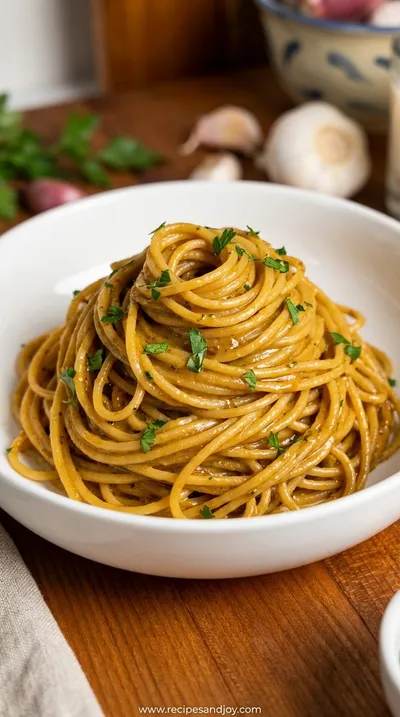
A Bowl of Pure Comfort: The combination of silky, buttery noodles and fragrant, savory garlic is just… ugh, it’s everything. It's warm, it's satisfying, and it coats every strand of spaghetti in the most luscious way. It's the kind of meal that makes you close your eyes for a second after the first bite.
-
A Perfect Canvas: While it's stunning on its own, this dish is also incredibly versatile. You can toss in some roasted cherry tomatoes, wilted spinach, or some sautéed shrimp. It also pairs beautifully with a crisp cucumber carrot salad to round out the meal.
This is my go-to recipe when I need something quick, comforting, and absolutely foolproof. It's like a hug in a bowl.
Essential Ingredient Guide
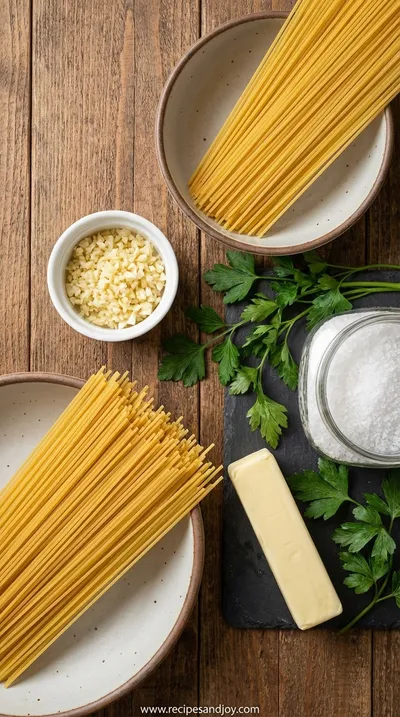
- Good Quality Spaghetti: For this, a good quality dried spaghetti really makes a difference. Look for one that's bronze-die cut if you can find it; the rougher texture helps that gorgeous garlic butter sauce cling to every single strand. The simple elegance of the long noodle is part of the charm here, creating that perfect twirl on your fork.
- Unsalted Butter: Using unsalted butter is a small detail that gives you complete control over the final flavor. You can salt the pasta water perfectly and then adjust the sauce as needed. I love a good European-style butter for its higher fat content, which creates an even richer, creamier sauce that feels so luxurious.
- Fresh Garlic: Please, please use fresh garlic for this! The pre-minced jarred kind just doesn't have the same bright, aromatic sweetness. Taking a moment to thinly slice or gently mince fresh cloves releases their essential oils, which then infuse the butter with a deep, nuanced flavor that is the heart and soul of this entire dish. It's worth the tiny bit of extra effort, I promise.
Complete Cooking Process
-
The Gentle Preparation:
This first step is about creating a sense of calm. I like to put on some soft music and gather my few, humble ingredients. Mince the garlic, chop the parsley, and measure out the butter. Having everything ready to go, or 'mise en place' as the chefs say, turns the cooking process from a scramble into a graceful dance. It's a quiet moment of anticipation before the lovely smells start to fill the air.
-
The Fragrant Cooking:
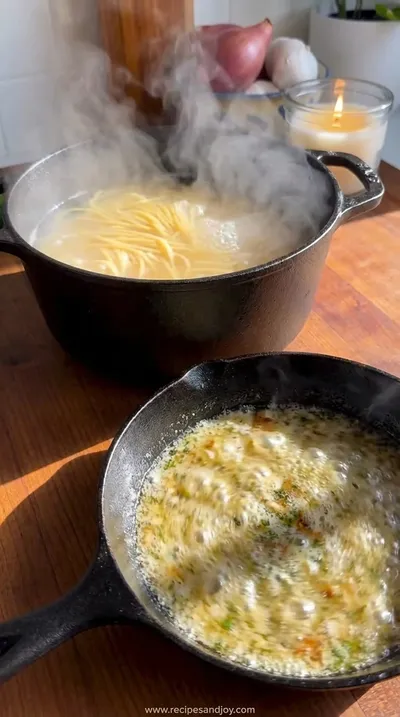
This is where the magic starts. As the spaghetti boils, creating a gentle, starchy steam in the kitchen, you'll create the sauce. The key is to melt the butter over low heat. You want to gently sizzle the garlic, not brown it. Watch it carefully; you're looking for it to become fragrant and just barely golden. This slow infusion is what builds that incredible, foundational layer of flavor.
-
The Final Assembly:
This is the final, beautiful moment where everything comes together. Using tongs, you'll transfer the cooked spaghetti directly from the pot to the skillet with the garlic butter. Don't drain it completely! A little of that starchy, salty pasta water is the secret ingredient that emulsifies the butter into a creamy, glossy sauce that clings perfectly to each noodle. It's a simple technique that transforms the dish from oily to utterly sublime.
-
Don't drain all the pasta water! That starchy liquid is gold for creating a creamy sauce.
-
Cook the garlic on low heat. If it burns, it will become bitter and you’ll have to start over.
-
Salt your pasta water generously. It should taste like the sea. This seasons the pasta from the inside out.
My Pro-Tips for Perfection
These little details are what elevate this simple dish into something truly special.
 Sweet Treats & Desserts
Healthier Hot Chocolate Recipe
Learn how to make a delicious healthier hot chocolate that's perfect for a cozy warm beverage.
Your Questions, Answered
→ Can I use a different type of pasta?
Absolutely! While I love the classic twirl of spaghetti, this garlic butter sauce is divine on almost any pasta shape. Linguine or fettuccine are wonderful long-noodle alternatives. For short pasta, I'd suggest something like penne or fusilli, as their shapes are great at catching all that buttery, garlicky goodness. Just cook according to your package directions.
→ My garlic always seems to burn. Any tips?
Oh, this is such a common worry, and the key is gentle heat. Start your butter and garlic in a cool or barely warm pan and let them heat up together over low heat. This allows the garlic flavor to infuse the butter slowly without scorching. If you see it start to brown too quickly, pull the pan off the heat immediately. Patience here is everything!
→ How can I make this a more complete meal?
This is such a great base for additions. For some protein, you could add some grilled chicken or sautéed shrimp. For veggies, try tossing in some steamed broccoli, asparagus tips, or wilted spinach. I also love adding chickpeas for a plant-based protein boost, much like I do in my chickpea feta salad. Or, serve a smaller portion alongside a comforting bowl of chicken vegetable soup.
→ Is there a good substitute for Parmesan cheese?
Of course. If you don't have Parmesan, Pecorino Romano is a fantastic, slightly saltier alternative. For a dairy-free version, a good quality nutritional yeast will give you a similarly cheesy, savory flavor. Just sprinkle it in at the end as you would with the Parmesan.
→ Can I use garlic powder instead of fresh garlic?
Honestly, I would really encourage you to use fresh garlic if at all possible. The flavor is just so much brighter and more authentic. Garlic powder can sometimes have a duller, almost bitter taste and it won't give you that same sweet, aromatic infusion in the butter. This recipe is so simple that each ingredient really counts, and fresh garlic is the star.
→ How much pasta water should I really use?
That's a great question! It's less about a precise measurement and more about feel. I always start with about 1/4 cup and toss vigorously. You'll see the sauce start to tighten up and cling to the pasta. If it still looks a little thin or the butter isn't fully emulsified, add another tablespoon or two at a time until it reaches that perfect, silky consistency. You can always add more, but you can't take it away.
Nutrition Facts
per serving
580
Calories
18g
Protein
70g
Carbs
25g
Fat
Taste Profile
Rich, buttery, and deeply savory with a sweet, aromatic garlic flavor and a bright finish from the lemon and parsley.
Ingredient Substitutions
Don't have an ingredient? Try these alternatives
The sauce works beautifully with other long noodles. If using gluten-free pasta, be aware that it can absorb more liquid, so you may need a little extra pasta water.
Pecorino will give it a saltier, tangier flavor. Nutritional yeast is a great dairy-free option that adds a cheesy, nutty taste.
Recipe Variations
Try these delicious twists on the original
Lemon Herb Version
Increase the lemon juice to 3 tablespoons and add a mix of fresh herbs like basil, chives, and oregano along with the parsley for a brighter, more herbaceous flavor.
Creamy Garlic Butter Spaghetti
For a richer version, stir in 1/4 cup of heavy cream or full-fat coconut milk along with the pasta water. This creates an even more decadent and luscious sauce.
Spicy Shrimp and Garlic Butter Spaghetti
Sauté a half-pound of peeled and deveined shrimp in the garlic butter until pink and cooked through, then remove them and set aside. Add them back in when you toss the pasta.
Common Mistakes to Avoid
Learn from others' mistakes for perfect results
- Burning the garlic by using heat that's too high.
- Forgetting to save the starchy pasta water before draining.
- Under-salting the pasta water, which results in bland pasta.
- Draining the pasta too much; you want it a little wet when it goes into the pan.
Meal Prep & Storage
Make Ahead Tips
This recipe is truly best enjoyed fresh, as the sauce is made in the moment. However, you can absolutely prep the ingredients ahead of time. Mince your garlic, chop your parsley, and grate your cheese. Store them in separate airtight containers in the fridge for up to a day to make the final assembly even faster.
Leftover Ideas
Leftovers are delicious! Store in an airtight container in the fridge for up to 3 days. Reheat gently in a skillet over low heat with a splash of water or broth to loosen the sauce and bring it back to its silky glory. It's also surprisingly good eaten cold, straight from the fridge!
Perfect Pairings
Serve this with...
Cooking Timeline
Fill pot with water and set to boil. Prep garlic, parsley, and cheese.
Cook spaghetti once water is boiling.
While pasta cooks, gently melt butter and bloom the garlic in a skillet.
Transfer cooked pasta to the skillet, add pasta water, and toss to create the sauce.
Stir in parsley, lemon juice, and cheese. Serve immediately.
 Easy Everyday Dinners
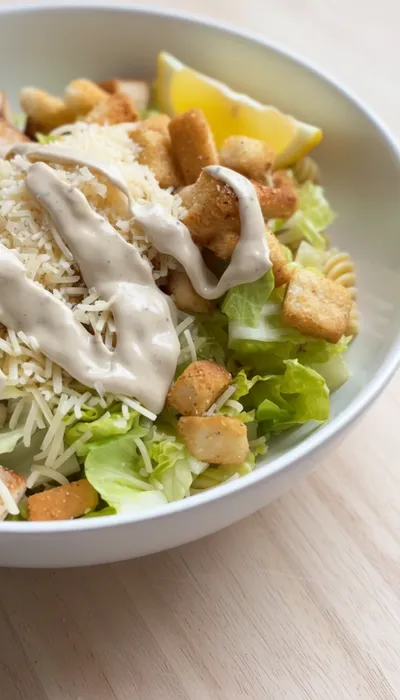
Chicken Caesar Pasta Salad Recipe
Quick creamy chicken Caesar pasta salad, ideal for weeknight meals.
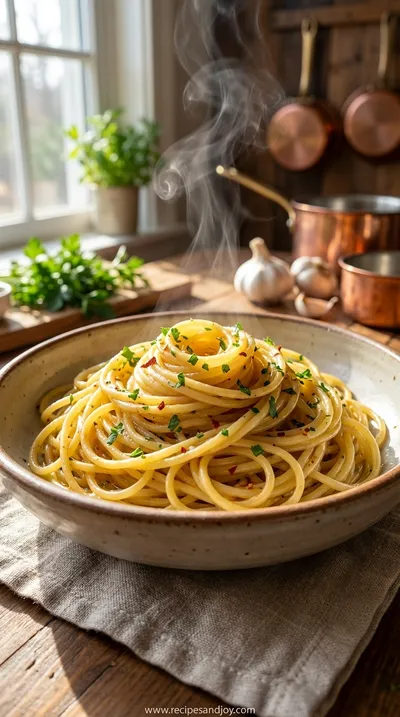
Garlic Butter Spaghetti: Simple & Delicious Recipe
Easy garlic butter spaghetti with rich buttery flavor and garlic notes. Perfect quick meal.
Timing
Prep Time
5 Minutes
Cook Time
15 Minutes
Total Time
20 Minutes
Recipe Details
Ingredients
For the Spaghetti
-
01
1 lb (450g) spaghetti
-
02
1/2 cup (1 stick) unsalted butter
-
03
8 cloves garlic, minced
-
04
1/2 tsp red pepper flakes (optional, for a little warmth)
-
05
1/2 cup grated Parmesan cheese, plus more for serving
-
06
1/4 cup chopped fresh parsley
-
07
1 tbsp fresh lemon juice
-
08
Salt and freshly ground black pepper to taste
Instructions
First, let's get the water going. Fill a large pot with water and bring it to a rolling boil. Add a very generous pinch of salt—it should taste like the ocean, really. This is your only chance to season the pasta itself. Once it's boiling wildly, add the spaghetti and give it a gentle stir to prevent it from sticking. Let it cook according to the package directions, but check it a minute or two early. You want it to be 'al dente,' with just a little bite left in the center.
While the pasta is doing its thing, find a large skillet or pan. Place it over low to medium-low heat. Add your butter and let it melt slowly; you'll hear a gentle sizzle. Once it's melted, add your minced garlic and red pepper flakes, if you're using them. Swirl the pan gently. You need to stay right here and watch it, letting the garlic turn fragrant and just faintly golden. This isn't the time to walk away! You're coaxing the flavor out, not frying it. The kitchen should start to smell absolutely amazing right about now.
Just before you drain the pasta, scoop out about a cup of that starchy cooking water and set it aside. This is so important, so don't forget! Using tongs, transfer the cooked spaghetti directly from the pot into the skillet with the garlic butter. The little bit of water that clings to it will help start the sauce. It's okay if it sizzles a bit; that's just the sound of delicious things happening.
Now, toss everything together right there in the pan. Add a splash (about 1/4 cup) of the reserved pasta water and keep tossing gently. You'll see the butter, garlic, and water transform into a beautiful, creamy sauce that coats every single strand of spaghetti. Add the fresh parsley, lemon juice, and Parmesan cheese, and toss again. If it seems a little dry, just add another splash of pasta water until it's silky and perfect. Serve it immediately in warm bowls, with an extra sprinkle of cheese on top, of course.
Notes & Tips
-
1
That starchy pasta water is truly the most important ingredient besides the pasta and butter. It contains salt and starches that help bind the butter to the noodles, creating a sauce that's creamy, not greasy. I always dip my measuring cup right into the pot before I drain the pasta.
-
2
The quality of your butter will shine through here, so use the best you can. Since it's one of the main flavors, a rich, creamy butter makes a noticeable difference. I prefer unsalted so I can control the seasoning myself, but if you only have salted, just be mindful when adding any extra salt at the end.
-
3
Don't be afraid to make this your own! Sometimes I'll squeeze a whole lemon over the top for extra brightness, or toss in a handful of baby spinach at the very end and let it wilt into the sauce. Sometimes I even use the leftover pasta to make a simple creamy pasta salad the next day for lunch.
 Healthy, Simple & Family Cooking
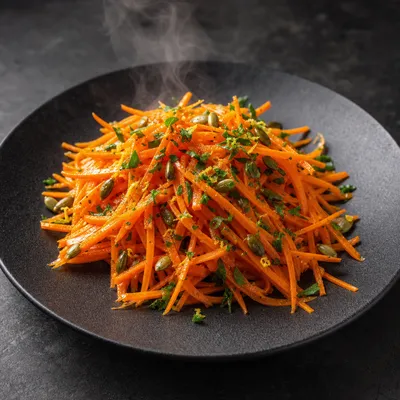
Classic Carrot Summer Salad
A simple, crunchy carrot salad that’s fresh, healthy, and perfect for warm days.
Tools You'll Need
-
Large Pot: A big pot is essential for boiling pasta. It needs plenty of room to move around so it can cook evenly without clumping together. A heavy-bottomed one holds heat well.
-
Large Skillet: You'll need a skillet with enough surface area to hold all the pasta and toss it comfortably. A 12-inch skillet is usually perfect for a pound of pasta. This is where your beautiful sauce will come to life.
-
Tongs: Tongs are my favorite tool for this job. They allow you to lift the pasta directly from the water to the skillet, bringing along that perfect amount of pasta water. They're also great for tossing everything together gently but effectively.
-
Colander: While I recommend moving the pasta directly to the pan, having a colander in the sink is a good backup. Just remember to save that pasta water before you drain!

Recipe by
Isabella MooreFood makes every celebration brighter 🎉🍽️ Creating magical seasonal moments with delicious recipes ✨
Get Delicious Recipes Weekly
Join 25,000+ home cooks getting our best recipes straight to their inbox.
Free forever • No spam • Unsubscribe anytime