
I'll never forget the first time I tried a one-pot pasta recipe. It was a rainy Tuesday, the kind of day where the sky stays gray from morning till night. My energy was just... gone. The thought of wrestling with multiple pots and a mountain of cleanup made me want to just order pizza. But I had promised my family a real meal. So, I gathered what I had—some linguine, a lemon, a bit of garlic, and some cherry tomatoes that were just starting to wrinkle.
I threw it all into my favorite Dutch oven, added water, and crossed my fingers. The sizzle as everything hit the warm pot, the smell of garlic softening—it was like a little promise. I let it all bubble away together, and wow, the transformation was something else. The pasta drank up the flavored broth, the tomatoes burst and melted into a sauce, and the lemon zest perfumed the entire kitchen. It felt less like cooking and more like alchemy.
That meal was a quiet triumph. We sat around the table, steam rising from our bowls, and there was this collective sigh of contentment. No frantic running back to the stove, no piles of pans waiting for me. Just good food and a calm evening. That's the real magic, I think. It's not just about the recipe; it's about reclaiming a little piece of your evening. These easy recipes are my go-to for creating that feeling, over and over.
Why You'll Love It
-
Minimal Cleanup - Honestly, this is the biggest win. Using just one pot means you're not facing a mountain of dishes afterward. I can't tell you the number of times I've finished dinner and just... walked away from the kitchen. It feels like a tiny rebellion against dinnertime chaos, letting you actually relax after you eat instead of scrubbing pans.
-
Incredible Flavor - There's a beautiful alchemy that happens when the pasta cooks right in the sauce. The starches released from the noodles thicken the liquid into something silky and rich, and all the flavors from the garlic, herbs, and other ingredients meld together perfectly. It creates a depth of taste that's hard to achieve when everything is cooked separately.
-
Weeknight Savior - On those nights when you're running on fumes, this is your best friend. It comes together with such little effort, requiring mostly passive cooking time where you can just let it bubble away. It's the perfect solution for getting a wholesome, home-cooked meal on the table without the stress, making it ideal for any family dinner.
-
Endlessly Adaptable - The basic principle is so simple, which means you can riff on it endlessly based on what's in your fridge. Got some wilting spinach? Toss it in. A lone zucchini? Cube it up. It’s a fantastic way to reduce food waste and create a new favorite recipe discovery every time you make it.
"This method saved our busy weeknights! The pasta is always perfectly cooked and the cleanup is a dream."
Essential Ingredient Guide
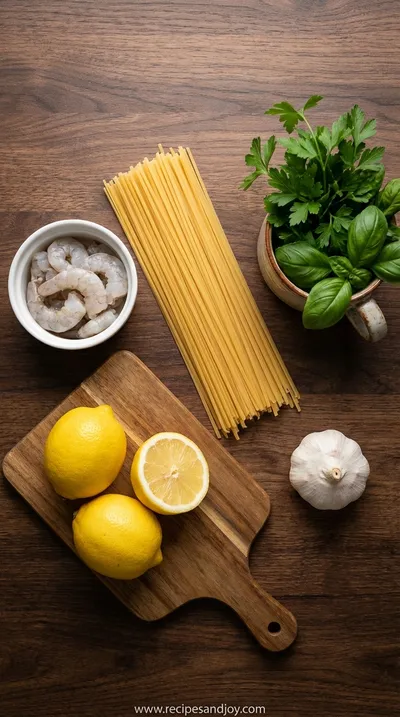
- Linguine Pasta: I love using linguine for one-pot recipes because its flat shape cooks so evenly and provides a wonderful surface for the sauce to cling to. It’s important to break the noodles in half before adding them to the pot—this helps them submerge completely and cook uniformly. Just a little snap with your hands, and you’re good to go. The starch it releases is key to creating that luscious, thickened sauce right in the pan.
- Fresh Prawns: Using fresh, high-quality prawns makes all the difference. Look for ones that are firm and smell cleanly of the sea. I add them toward the end of the cooking process because they cook so quickly—just a few minutes in the hot broth is enough to turn them pink and opaque. This prevents them from becoming tough and rubbery, ensuring each bite is tender and sweet, a perfect pairing for a light celery soup as a starter.
- Fresh Lemon: Don't you dare use bottled juice here! The zest and juice of a fresh lemon bring a necessary brightness that cuts through the richness of the pasta and prawns. I zest the lemon first, getting all those lovely yellow oils, and then juice it. Adding the juice right at the end preserves its vibrant, sunny flavor. It’s the kind of fresh kick that makes the whole dish sing, much like the zest in a simple carrot soup.
Complete Cooking Process
-
The Gentle Sauté:
This is where you build your flavor foundation. I heat a good glug of olive oil in my wide pot over medium heat. Then in goes the sliced garlic—you want to hear a gentle sizzle, not a frantic crackle. Let it become fragrant and just barely golden, which takes maybe a minute. This slow awakening of the garlic infuses the oil with so much flavor. It’s the first scent that will fill your kitchen and signal that something wonderful is happening.
-
The Simmering Union:
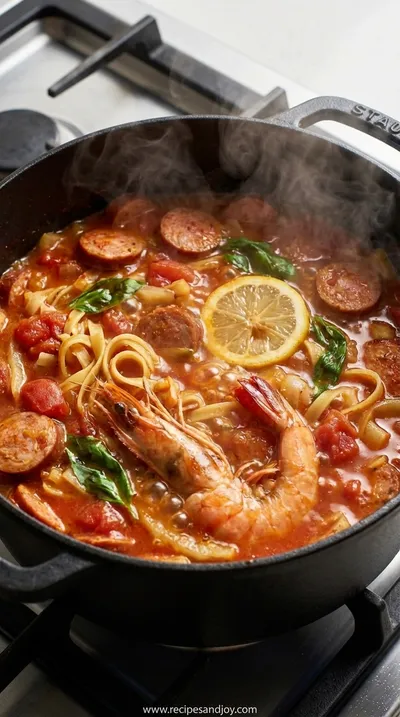
Now, this is the magical part. I add the broken linguine, the cherry tomatoes, my seasonings, and just enough water or broth to barely cover everything. It might look a bit wrong at first, like the pasta is crowded, but trust the process. As it comes to a boil and then simmers, the pasta softens and releases its starch, the tomatoes break down, and everything starts to meld together into a cohesive, saucy mass. You’ll need to give it a gentle stir every now and then to prevent sticking, but mostly, you just let it be.
-
The Final Flourish:
When the pasta is almost al dente, I nestle the prawns into the bubbling mixture. They’ll cook in just 3-4 minutes, turning that beautiful coral pink. Then I turn off the heat. This is when I stir in the lemon juice and zest, along with a handful of fresh parsley. The residual heat is perfect for warming these delicate flavors through without cooking them away. It’s a hearty yet light meal, similar in comfort to a vegan stew but with a brighter profile.
-
Don't Overcrowd with Liquid - The goal is to have the liquid mostly absorbed by the time the pasta is cooked. You can always add a splash more water if it looks dry, but you can't take it out if there's too much.
-
Season as You Go - Taste the broth a few minutes into cooking. Pasta needs a well-seasoned cooking liquid to be flavorful itself. Adjust salt and pepper then.
-
Let it Rest - After turning off the heat, let the pasta sit for a couple of minutes. This allows the sauce to thicken up even more and the flavors to settle.
Pro Tips
Following these little tips will ensure your one-pot pasta turns out perfectly every single time, leaving you more time to enjoy the meal with your family. For more inspiration, check out our other cooking articles.
 Sweet Treats & Desserts
Healthier Hot Chocolate Recipe
Learn how to make a delicious healthier hot chocolate that's perfect for a cozy warm beverage.
The Joy of a Simple Meal
There's a special kind of satisfaction that comes from a meal made in one pot. It feels grounded and thoughtful, not rushed. I love that these recipes encourage you to slow down a bit, even on a busy night. The process is straightforward, yes, but it's also meditative. You're building layers of flavor with minimal fuss, creating something that feels much more complex than the effort involved.
It’s the perfect solution for when you want the comfort of a potato soup but crave the substance of pasta. The beauty is in its versatility—once you master the basic technique, a world of combinations opens up, making it a staple in any home cook's repertoire for healthy meals.
You Must Know
-
The pasta will cook more evenly if you break it into smaller pieces before adding it to the pot.
-
Resist the urge to stir too frequently. A gentle stir every few minutes is all that's needed to prevent sticking.
-
The residual heat is powerful! Always add delicate ingredients like fresh herbs, lemon juice, or prawns at the very end.
Frequently Asked Questions
→ Can I use a different type of pasta?
Absolutely! Short pasta like penne or fusilli works wonderfully because it's easier to submerge. Just keep an eye on the liquid levels, as cooking times can vary slightly. I'd avoid very thin pasta like angel hair, as it can become mushy. The sturdier shapes hold up best to the one-pot method and are great for soaking up all the flavors, much like the lentils in a hearty lentil soup.
→ What if my sauce is too thin?
Don't worry, this happens sometimes! If the pasta is cooked but there's still a lot of liquid, simply turn the heat up to medium-high and let it simmer uncovered for a few more minutes. The excess liquid will evaporate, and the sauce will thicken up nicely. Stir gently so you don't break the pasta. It’s an easy fix that requires just a little patience.
→ Can I make this recipe ahead of time?
You can definitely prep the ingredients ahead—chop the garlic, wash the tomatoes, devein the prawns. But this dish is truly best served immediately after cooking. The pasta will continue to absorb liquid as it sits, so if you do have leftovers, you might need to add a splash of water or broth when reheating to loosen up the sauce again.
→ Is it possible to make a vegetarian version?
Of course! Simply omit the prawns and use vegetable broth instead of chicken broth. You can add in other vegetables like sliced mushrooms, zucchini, or bell peppers. I often add a can of rinsed chickpeas for some plant-based protein. It becomes a complete, meat-free meal that's just as satisfying and flavorful.
→ How do I know when the prawns are cooked?
Prawns cook very quickly. They are done when they turn opaque and pink all the way through, and curl into a loose 'C' shape. This usually takes only 3-4 minutes in the hot broth. Overcooking will make them tough, so it's better to err on the side of slightly underdone, as they'll continue to cook a bit from the residual heat.
Nutrition Facts
per serving
420
Calories
25g
Protein
65g
Carbs
8g
Fat
Taste Profile
Bright, savory, and fresh with a light briny sweetness from the prawns
Ingredient Substitutions
Don't have an ingredient? Try these alternatives
If using chicken, add it at the beginning with the garlic to ensure it cooks through. For tofu, pat it dry and add it in the last 5 minutes of cooking.
Any long pasta will work, but adjust breaking size accordingly. Short pasta like penne is also a great option and doesn't need breaking.
Water will work in a pinch, but broth adds a much deeper flavor base. If using water, be generous with your seasonings.
Recipe Variations
Try these delicious twists on the original
Creamy Lemon and Herb
Stir in 1/4 cup of heavy cream or Greek yogurt at the end for a richer, creamier sauce. Add extra fresh herbs like basil or dill.
Spicy Arrabbiata Style
Add a tablespoon of tomato paste with the garlic, and use more red pepper flakes for a spicy kick. Omit the prawns for a vegetarian version.
Common Mistakes to Avoid
Learn from others' mistakes for perfect results
- Adding too much liquid initially, resulting in a soupy sauce.
- Over-stirring the pasta, which can break the noodles and make the sauce gummy.
- Adding the prawns too early, causing them to overcook and become tough.
- Not tasting and adjusting seasoning until the very end.
- Using a pot that's too small, leading to uneven cooking.
Meal Prep & Storage
Make Ahead Tips
You can prep the ingredients up to a day ahead. Peel and devein the prawns, store them covered in the fridge. Slice the garlic and halve the tomatoes, storing them separately. Measure out your broth and have your seasonings ready. This makes the actual cooking process a 15-minute affair.
Leftover Ideas
Leftovers are best reheated gently on the stovetop with a splash of water or broth to revive the sauce. The pasta will be softer, but still delicious. You can also chop it up and mix it with an egg to make a quick pasta frittata for lunch the next day.
Perfect Pairings
Serve this with...
Cooking Timeline
Prep: Slice garlic, halve tomatoes, zest and juice lemon, chop parsley.
Cook: Sauté garlic, add pasta, tomatoes, broth, and seasonings. Bring to a simmer.
Simmer: Cook pasta, stirring occasionally, until almost al dente.
Finish: Add prawns, cook until pink. Turn off heat, stir in lemon and parsley.
Rest: Let stand for 2 minutes off heat for sauce to thicken, then serve.
 Easy Everyday Dinners
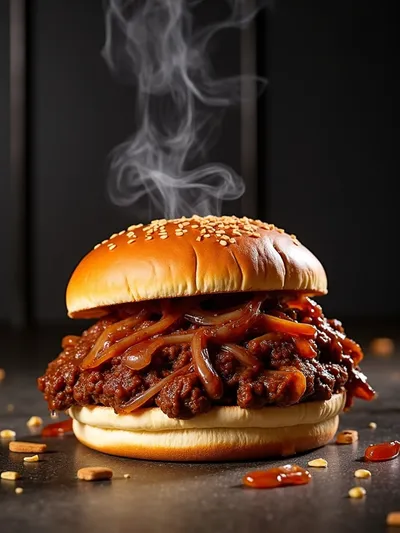
French Onion Beef Sloppy Joes – Easy Dinner
Hearty French onion beef sloppy joes with caramelized onions and a savory, sweet sauce.
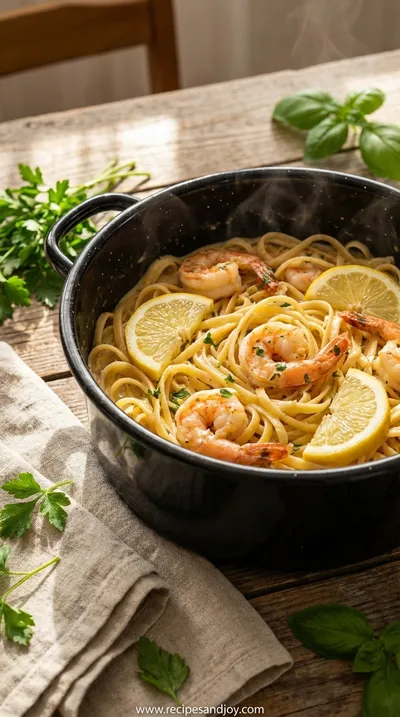
Magical One-Pot Pasta Recipes for Easy Family Dinners
Discover quick one-pot pasta recipes including linguine, prawn pasta, and lemon pasta dishes perfect for busy weeknights.
Timing
Prep Time
10 Minutes
Cook Time
15 Minutes
Total Time
25 Minutes
Recipe Details
Ingredients
For the Pasta
-
01
12 oz linguine pasta, broken in half
-
02
1 lb fresh prawns, peeled and deveined
-
03
3 cloves garlic, thinly sliced
-
04
1 pint cherry tomatoes, halved
-
05
1 lemon, zested and juiced
-
06
4 cups vegetable or chicken broth
-
07
2 tbsp olive oil
-
08
1/4 cup fresh parsley, chopped
-
09
Salt and black pepper to taste
-
10
1/2 tsp red pepper flakes (optional)
Instructions
Okay, first things first. Heat the olive oil in a large, wide pot or Dutch oven over medium heat. You want a pot that gives the ingredients plenty of room. Once the oil shimmers, add the sliced garlic. Listen for that gentle sizzle—it’s the sound of flavor building. Let the garlic cook for about a minute until it’s fragrant and just starting to turn golden. Be careful not to let it burn, or it’ll taste bitter. This simple start is the soul of the dish.
Now, add the broken linguine, the halved cherry tomatoes, the broth, a good pinch of salt, a grind of black pepper, and the red pepper flakes if you're using them. Gently stir everything so the pasta is mostly submerged. It will look like a jumble, but that’s okay. Bring the whole thing to a boil, then immediately reduce the heat to a steady simmer. Let it cook uncovered, giving it an occasional gentle stir to prevent the noodles from sticking to the bottom.
After about 8-10 minutes, the pasta should be almost al dente, and the liquid will have reduced quite a bit. This is when you add the prawns. Just nestle them down into the simmering pasta and liquid. Let them cook for about 3-4 minutes. You'll see them turn pink and opaque. That’s your sign they’re done. Turn off the heat completely—the pot will retain plenty of warmth to finish the job.
Finally, stir in the fresh lemon juice, lemon zest, and most of the chopped parsley. Give everything a good, gentle toss. The residual heat will wilt the parsley and warm the lemon juice perfectly. Taste it and adjust the seasoning with more salt or pepper if needed. Serve immediately right from the pot, garnished with the remaining parsley. Enjoy the simplicity and the incredible flavor you created with so little effort.
Notes & Tips
-
1
The key to success is using a pot wide enough to allow the pasta to lay mostly flat. A Dutch oven or a large, deep skillet works perfectly for this.
-
2
If you find the liquid is absorbing too quickly and the pasta isn't cooked, don't hesitate to add another 1/2 cup of warm broth or water. Cooking times can vary.
-
3
For a creamier sauce, you can stir in a tablespoon of butter or a splash of cream at the very end, after you've turned off the heat.
-
4
Feel free to add other quick-cooking vegetables like spinach or peas in the last 2 minutes of cooking. They'll wilt perfectly in the hot pasta.
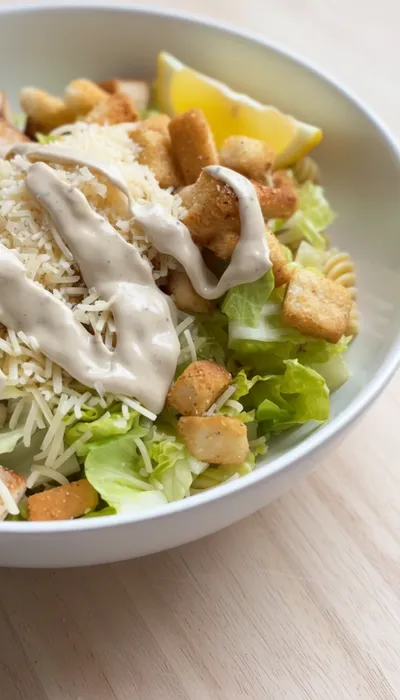 Easy Everyday Dinners
Chicken Caesar Pasta Salad Recipe
Quick creamy chicken Caesar pasta salad, ideal for weeknight meals.
Tools You'll Need
-
Large Dutch Oven or Wide Pot - This is non-negotiable. You need a pot with a heavy bottom that distributes heat evenly and is wide enough to give the pasta space. Mine is my kitchen workhorse.
-
Sharp Knife and Cutting Board - For slicing the garlic and halving the tomatoes. A good sharp knife makes prep feel effortless and safe.
-
Measuring Cups and Spoons - For the broth and oil. Precision here helps ensure the pasta cooks in the perfect amount of liquid.
-
Microplane or Zester - Essential for getting the flavorful yellow zest from the lemon without the bitter white pith underneath.
-
Wooden Spoon or Spatula - For stirring the pasta gently without scratching the bottom of your pot.
Must-Know Tips
-
Break the Pasta - It feels wrong, I know, but breaking the long noodles before adding them ensures they cook evenly and are easier to serve.
-
Taste the Broth - Before the pasta is done, taste the cooking liquid. It should taste well-seasoned, as the pasta will absorb that flavor.
-
Don't Overcook the Prawns - They cook in minutes. Adding them too early will make them tough and rubbery, which is a real shame.
Professional Secrets
-
Use Hot Broth - If possible, heat your broth before adding it to the pot. This helps maintain a consistent temperature and can slightly reduce the overall cooking time.
-
Embrace the Starch - The starch from the pasta is what thickens the sauce. Don't rinse the pasta beforehand; you want all that goodness in your pot.
-
Rest Before Serving - Let the finished pasta sit for 2-3 minutes off the heat. This allows the sauce to thicken beautifully and the flavors to meld completely.

Recipe by
Isabella MooreFood makes every celebration brighter 🎉🍽️ Creating magical seasonal moments with delicious recipes ✨
Get Delicious Recipes Weekly
Join 25,000+ home cooks getting our best recipes straight to their inbox.
Free forever • No spam • Unsubscribe anytime