
Citrus cakes have traveled from ancient Mediterranean markets to modern home ovens, celebrated for their bright flavor and enduring moisture. The technique of using both juice and zest dates back centuries, allowing bakers to capture the fruit’s essence while keeping the crumb tender. This tradition continues today, offering a simple way to enjoy a slice of sunshine that feels both timeless and contemporary.
Why You'll Love It
-
- Effortless technique that guarantees fluffiness
-
- Bright citrus aroma that fills the whole home
-
- Moisture locked in by a simple juice‑oil balance
-
- Versatile enough for tea, coffee, or a simple drizzle of glaze
"The cake was so moist, I could almost hear the orange whispering. My kids asked for seconds!"
Essential Ingredient Guide
- Fresh oranges: Choose bright, unwilted oranges; zest and juice give the cake its signature fragrance and moisture.
- All‑purpose flour: Sifted flour creates a lighter crumb; avoid over‑mixing to keep the texture airy.
- Granulated sugar: Sugar not only sweetens but also helps retain moisture during baking.
- Ground cinnamon: A pinch adds warmth that rounds out the citrus edge.
- Lemon juice: A splash balances the orange’s sweetness and brightens the overall flavor.
- Honey: Optional for a subtle floral note; use sparingly so the cake stays light.

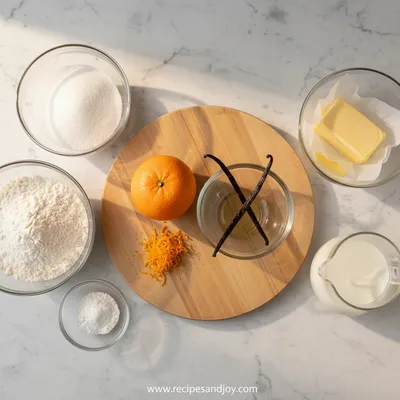
Complete Cooking Process
-
Ingredient Readiness:
Zest the oranges first, then juice them; sift dry ingredients and set aside.
-
Flavor Development:
Cream butter and sugar until pale, then fold in zest, juice, and eggs to build a fragrant base.
-
Texture Control:
Gently incorporate flour and spices, stopping as soon as the mixture comes together to avoid a dense crumb.
-
Finishing Touches:
Bake until a toothpick comes out clean, then let the cake cool in the pan to lock in moisture.
-
Serving Timing:
Serve slightly warm or at room temperature; a thin glaze of orange juice and powdered sugar adds a final sparkle.
-
Measure flour with a spoon and level it for consistent texture.
-
Use room‑temperature eggs; they emulsify better with butter.
-
Check the cake at the earliest time; ovens vary.
-
Let the cake rest upside down for 5 minutes to keep the crumb airy.
Pro Tips
I’ve found these small habits make the difference between a cake that’s merely good and one that feels like a memory. Take a breath, trust the process, and enjoy each quiet moment while the aroma drifts through the house.
The essence of the dish:
It’s the balance of bright orange zest with a buttery crumb that makes this cake feel like sunshine captured in sugar.
A fun fact or historical angle:
In the 1800s, orange zest was prized by bakers in Europe for its ability to preserve moisture before modern appliances existed.
Flavor or sensory focus:
You’ll notice the first bite is soft and fragrant, then a lingering citrus sparkle that wakes the palate.
You Must Know
-
Do not over‑mix once flour is added.
-
Allow the cake to cool in the pan for 10 minutes.
-
A light dusting of powdered sugar adds visual charm.
Frequently Asked Questions
→ Can I use bottled orange juice?
Fresh juice gives the best aroma, but bottled works in a pinch; add a touch more zest for flavor.
→ How do I store leftovers?
Wrap tightly in plastic and keep at room temperature for up to two days, or refrigerate for three days.
→ Can I make this cake gluten‑free?
Replace all‑purpose flour with a 1:1 gluten‑free blend; the texture stays tender.
→ What glaze pairs best?
A simple mix of powdered sugar, orange juice, and a dash of lemon works beautifully.
→ Is the cake suitable for freezing?
Yes, freeze slices wrapped individually; thaw at room temperature and enjoy.
→ Can I add nuts?
Chopped toasted almonds add a pleasant crunch without overwhelming the citrus.
Nutrition Facts
per serving
320
Calories
5g
Protein
45g
Carbs
12g
Fat
Taste Profile
Bright, sweet‑citrus with a soft buttery finish
Ingredient Substitutions
Don't have an ingredient? Try these alternatives
Texture changes slightly; coconut oil adds a faint tropical note.
Use a 1:1 replacement; the crumb stays tender.
Recipe Variations
Try these delicious twists on the original
Spicy Version
Add ¼ tsp ground ginger and a pinch of cayenne for a warming kick.
Mediterranean Style
Stir in chopped pistachios and a drizzle of honey after baking.
Common Mistakes to Avoid
Learn from others' mistakes for perfect results
- Over‑mixing the batter, which creates a dense crumb.
- Opening the oven too early, causing the cake to collapse.
- Using bottled orange juice without extra zest, losing aroma.
Meal Prep & Storage
Make Ahead Tips
You can whisk the dry ingredients together and store them in an airtight jar for up to a week; the batter can be refrigerated for up to 12 hours before baking.
Leftover Ideas
Reheat gently in a skillet over low heat, covered, to keep the crumb moist.
Perfect Pairings
Serve this with...
Cooking Timeline
Preheat oven, prepare pan, zest and juice oranges.
Cream butter and sugar, add eggs, then wet ingredients.
Fold in dry ingredients, pour batter into pan.
Bake, check doneness, cool in pan then on rack.
Prepare glaze (if using) and finish the cake.
 Sweet Treats & Desserts
No-Bake Protein Energy Balls – Easy Healthy Snack
A simple, no‑bake bite of protein‑packed goodness you can carry anywhere.
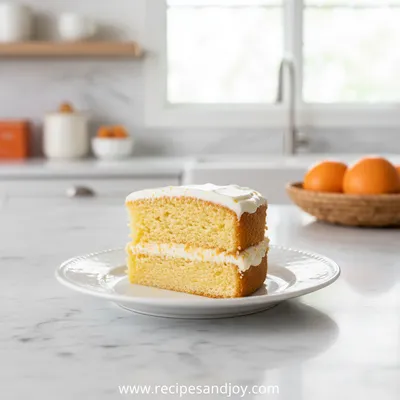
Moist Orange Cake – Easy Sweet Dessert
A bright, citrus‑filled cake that stays moist thanks to a simple method, perfect for a quick family dessert that feels special without fuss.
Timing
Prep Time
20 Minutes
Cook Time
30 Minutes
Total Time
50 Minutes
Recipe Details
Ingredients
Cake
-
01
2 cups all‑purpose flour
-
02
1 ½ cups granulated sugar
-
03
½ cup unsalted butter, softened
-
04
3 large eggs, room temperature
-
05
½ cup freshly squeezed orange juice
-
06
2 tbsp orange zest (about 2 oranges)
-
07
¼ cup milk
-
08
1 tsp vanilla extract
-
09
1 tsp baking powder
-
10
½ tsp baking soda
-
11
¼ tsp salt
-
12
½ tsp ground cinnamon
-
13
1 tsp lemon juice
Optional Glaze
-
01
1 cup powdered sugar
-
02
2 tbsp orange juice
-
03
1 tsp lemon zest
Instructions
Preheat the oven to 350°F (175°C). Grease a 9‑inch round cake pan and line the bottom with parchment.
In a bowl, whisk together flour, baking powder, baking soda, salt, cinnamon, and set aside.
Cream butter and sugar in a large bowl until pale and fluffy, about 3‑4 minutes. Add eggs one at a time, mixing well after each.
Stir in orange zest, orange juice, lemon juice, milk, and vanilla until just combined.
Gently fold the dry ingredients into the wet mixture; stop when no flour streaks remain.
Pour batter into the prepared pan, smooth the top, and bake for 30‑35 minutes, or until a best cake tester comes out clean.
Allow the cake to cool in the pan for 10 minutes, then turn out onto a wire rack to cool completely.
If using the glaze, whisk powdered sugar with orange juice and lemon zest, drizzle over the cooled cake, and let it set before slicing.
Notes & Tips
-
1
Do not over‑mix after adding flour; the batter should be just smooth.
-
2
If the cake begins to brown too quickly, tent the top with foil.
-
3
For extra orange punch, add a tablespoon of orange marmalade to the batter.
 Sweet Treats & Desserts
Healthier Hot Chocolate Recipe
Learn how to make a delicious healthier hot chocolate that's perfect for a cozy warm beverage.
Tools You'll Need
-
9‑inch round cake pan
-
Mixing bowls
-
Electric mixer or whisk
-
Zester or microplane
-
Measuring cups and spoons
-
Wire cooling rack
Must-Know Tips
-
Room‑temperature butter incorporates air better.
-
Sifting flour prevents lumps and keeps the crumb light.
-
Let the cake rest upside down briefly for extra fluff.
Professional Secrets
-
Creaming butter and sugar to a pale color adds structure.
-
Adding a splash of lemon juice balances sweetness.
-
Gentle folding preserves air bubbles for a tender crumb.

Recipe by
Lily AndersonLife is sweeter with dessert 🍰💕 Baking joy, spreading smiles, and loving every sprinkle ✨
Get Delicious Recipes Weekly
Join 25,000+ home cooks getting our best recipes straight to their inbox.
Free forever • No spam • Unsubscribe anytime