
Pfannkuchen, Germany's answer to the pancake, has been a staple in households for generations, often served as a sweet main course or a dessert. The addition of yogurt is a more modern twist that lends a gentle acidity and tenderness to the batter, making these pancakes exceptionally light. Traditionally, they're enjoyed with fruit compotes, powdered sugar, or even savory fillings, showcasing their incredible versatility.
Why You'll Love It
-
The yogurt adds a subtle tang and incredible tenderness to the pancakes.
-
They're versatile—perfect for breakfast, dessert, or even a light dinner.
-
Quick to whip up with simple ingredients you likely have on hand.
-
A hit with both kids and adults, making them perfect for family meals.
"My kids devoured these! The yogurt makes them so soft and delicious—we'll be making them every weekend."
Essential Ingredient Guide
- All-purpose flour: Provides the structure for the pancakes. I like to sift it to avoid lumps and ensure a smooth batter.
- Natural yogurt: Adds moisture and a gentle tang. Full-fat yogurt gives the richest flavor and softest texture.
- Eggs: Bind the batter and contribute to the lift and golden color. Room temperature eggs blend more smoothly.
- Sugar: Just a touch to balance the tang of the yogurt. You can adjust it based on your sweetness preference.
- Vanilla extract: A splash enhances the overall aroma and gives a warm, comforting flavor.
- Butter: For frying. It adds a rich, nutty flavor that complements the yogurt beautifully.
Complete Cooking Process
-
Ingredient Readiness:
Having everything at room temperature makes a world of difference. The yogurt, eggs, and milk blend together so much more smoothly, which means fewer lumps and a more consistent batter. I take them out about 30 minutes before I start.
-
Flavor Development:
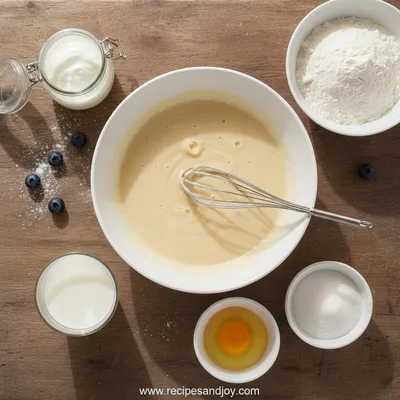
The magic really happens when the batter rests. Letting it sit for 10-15 minutes allows the flour to hydrate fully and the flavors to meld. You'll notice the texture becomes silkier, and the final pancakes have a more developed taste.
-
Texture Control:
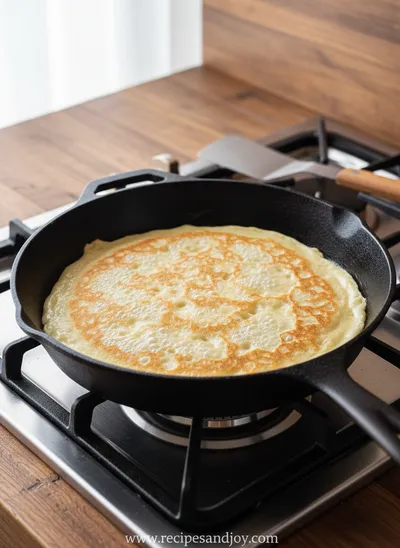
The key to perfect pfannkuchen is a thin batter and a well-heated pan. You want the batter to spread easily into a thin layer, creating a pancake that's tender with slightly lacy edges. A non-stick skillet or a well-seasoned cast-iron pan is your best friend here.
-
Finishing Touches:
A pat of butter melted on top right after flipping, and a dusting of powdered sugar just before serving—these small touches elevate the pancakes from simple to sublime.
-
Serving Timing:
Pfannkuchen are best served immediately, straight from the pan. They're wonderfully soft and warm, and that's when their delicate texture truly shines.
-
Don't overmix the batter—a few lumps are perfectly fine and prevent toughness.
-
Use a ladle for consistent portioning, which helps all the pancakes cook evenly.
-
Keep finished pancakes warm in a low oven (around 200°F) on a wire rack to prevent sogginess.
-
If the batter thickens as it sits, stir in a tablespoon of milk at a time to thin it back out.
Pro Tips
I've found that letting the batter rest is non-negotiable for the best texture. It's a small wait that pays off big time. And honestly, don't worry if your first pancake isn't perfect—it often isn't! It's like a test run for the pan. Once you get the heat just right, the rest will be beautiful. This recipe is wonderfully forgiving, much like a good hearty stew, where a little patience brings everything together.
The essence of the dish:
What makes these pfannkuchen so special is their delicate, almost crepe-like texture combined with the unique, subtle tang from the yogurt. They're incredibly light yet satisfying, a true comfort food that feels both simple and a little bit elegant.
A fun fact or historical angle:
In Germany, 'Pfannkuchen' literally means 'pan cake,' and they are often larger and thinner than American pancakes. They can be rolled or folded with sweet or savory fillings, making them a versatile centerpiece for any meal.
Flavor or sensory focus:
The first thing you'll notice is the wonderful aroma of vanilla and butter as they cook. When you take a bite, it's the tender, melt-in-your-mouth quality and the gentle sour note from the yogurt that really stands out, balanced perfectly by a hint of sweetness.
You Must Know
-
The batter should be quite thin, similar to heavy cream, to achieve the classic pfannkuchen texture.
-
A rest period for the batter is crucial for tender results.
-
Medium heat is ideal—too hot and they'll burn before cooking through; too low and they won't get those golden spots.
-
These are best enjoyed fresh, but leftovers can be revived beautifully.
Frequently Asked Questions
→ Can I use Greek yogurt instead of natural yogurt?
You can, but you'll likely need to thin it out with a bit more milk, as Greek yogurt is much thicker. Start with an extra tablespoon or two of milk to get the right pouring consistency.
→ My first pancake always turns out poorly. Why?
This is so common! The first pancake often soaks up excess oil and helps you calibrate the pan's temperature. Consider it a test run. Adjust the heat if needed, and the rest will be perfect.
→ Can I make the batter ahead of time?
Yes, you can refrigerate the batter for up to 24 hours. It might thicken, so give it a good stir and add a splash of milk if needed before cooking.
→ What's the best way to reheat leftovers?
Gently warm them in a skillet over low heat or for a few seconds in the microwave. They're best fresh, but reheating this way brings them back to life nicely.
→ Are these similar to crepes?
They're a close cousin! Pfannkuchen are typically a bit thicker and more substantial than delicate French crepes, but the technique is very similar.
→ Can I make these vegan?
Absolutely. Use a plant-based yogurt and a flax egg or commercial egg replacer. The cooking process remains the same, and you'll still get a delicious result, much like you would with a plant-based soup.
Nutrition Facts
per serving
280
Calories
9g
Protein
38g
Carbs
10g
Fat
Taste Profile
A balanced, comforting sweetness with a subtle tang from the yogurt.
Ingredient Substitutions
Don't have an ingredient? Try these alternatives
Oat milk, almond milk, or even buttermilk will work well, adjusting the tang slightly.
Will yield a slightly heartier, nuttier pancake with more fiber.
Recipe Variations
Try these delicious twists on the original
Lemon Zest Pfannkuchen
Add the zest of one lemon to the batter for a bright, citrusy flavor that pairs wonderfully with berries.
Cinnamon Apple Pfannkuchen
Stir in a teaspoon of cinnamon and top with sautéed apples for a cozy, autumnal twist.
Common Mistakes to Avoid
Learn from others' mistakes for perfect results
- Overmixing the batter, which leads to dense, tough pancakes.
- Cooking on too high heat, causing the outside to burn before the inside cooks.
- Skipping the batter rest, resulting in a less tender texture.
- Using a cold pan, which makes the pancakes stick and cook unevenly.
Meal Prep & Storage
Make Ahead Tips
You can mix the dry ingredients the night before to save time in the morning. The batter can also be made up to 24 hours ahead and stored covered in the refrigerator.
Leftover Ideas
Leftover pfannkuchen can be layered with yogurt and fruit for a fun parfait, or cut into strips and baked for a crispy treat. They reheat surprisingly well for a next-day breakfast.
Perfect Pairings
Serve this with...
Cooking Timeline
Gather and measure all ingredients. Whisk together the dry ingredients in one bowl and the wet in another.
Combine wet and dry ingredients gently. Let the batter rest for 10-15 minutes.
Heat the pan and cook the pancakes in batches, keeping finished ones warm in a low oven.
 Sweet Treats & Desserts
Healthier Hot Chocolate Recipe
Learn how to make a delicious healthier hot chocolate that's perfect for a cozy warm beverage.
Pfannkuchen Recipe With Natural Yogurt
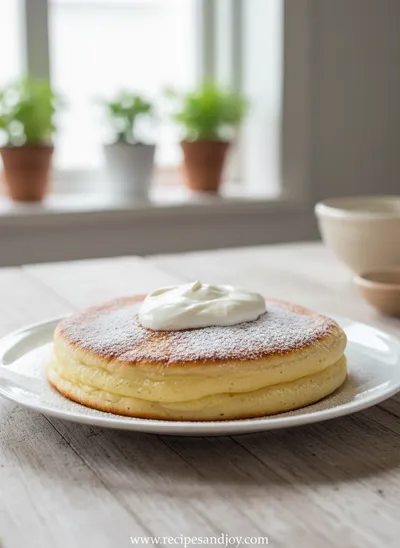
Make these delicious German pfannkuchen with natural yogurt for a quick and easy breakfast or dessert option the whole family will love. These tender, delicate pancakes have a subtle tang from the yogurt that makes them extra special.
Timing
Prep Time
10 Minutes
Cook Time
20 Minutes
Total Time
30 Minutes
Recipe Details
Ingredients
Pfannkuchen Batter
-
01
1 ½ cups all-purpose flour
-
02
2 tablespoons granulated sugar
-
03
1 teaspoon baking powder
-
04
¼ teaspoon salt
-
05
2 large eggs, room temperature
-
06
1 cup natural whole-milk yogurt, room temperature
-
07
¾ cup whole milk, room temperature
-
08
2 tablespoons unsalted butter, melted
-
09
1 teaspoon vanilla extract
For Cooking and Serving
-
01
2-3 tablespoons unsalted butter, for the pan
-
02
Powdered sugar, for dusting
-
03
Fresh berries or fruit compote, for serving
-
04
Maple syrup or honey, optional
Instructions
In a large bowl, whisk together the flour, sugar, baking powder, and salt. Honestly, just a quick mix to combine them all is all you need.
In a separate medium bowl, whisk the eggs lightly. Then, add the yogurt, milk, melted butter, and vanilla extract. Whisk until it's all smoothly combined. It might look a bit curdled at first from the yogurt, but that's okay, just keep whisking.
Pour the wet ingredients into the dry ingredients. Use a whisk to gently combine them. Now, here's the key: mix just until the flour disappears. A few small lumps are perfectly fine—overmixing will make the pancakes tough. Let the batter rest for 10-15 minutes on the counter.
While the batter rests, heat a large non-stick skillet or griddle over medium heat. Add a small pat of butter and swirl it around to coat the bottom.
Pour about ¼ cup of batter into the center of the hot pan. Quickly tilt and swirl the pan to spread the batter into a thin, even circle, about 6-7 inches wide. Cook for 2-3 minutes, until bubbles form on the surface and the edges look set.
Carefully slide a spatula underneath and flip the pancake. Cook for another 1-2 minutes on the second side, until golden brown. Transfer to a plate. Repeat with the remaining batter, adding more butter to the pan as needed.
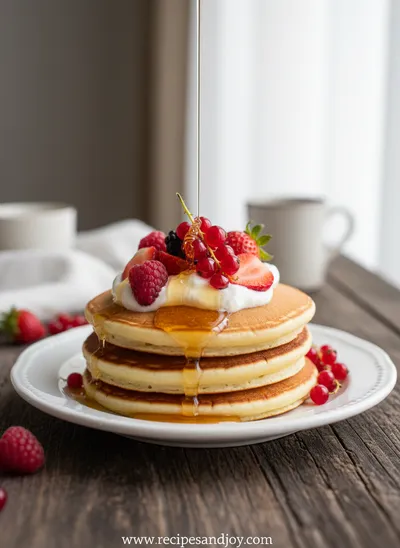
Serve the pfannkuchen warm, dusted generously with powdered sugar and topped with your favorite berries or a dollop of fruit compote. They're wonderful with a drizzle of maple syrup too, if you like.
Notes & Tips
-
1
The resting time for the batter is crucial for tender pancakes.
-
2
If the batter becomes too thick after resting, stir in a tablespoon of milk at a time until it's pourable again.
-
3
Leftover pancakes can be stored in an airtight container in the fridge for up to 2 days. Reheat gently in a skillet.
 Easy Everyday Dinners
French Onion Beef Sloppy Joes – Easy Dinner
Hearty French onion beef sloppy joes with caramelized onions and a savory, sweet sauce.
Tools You'll Need
-
Large mixing bowls
-
Whisk
-
Ladle or ¼ cup measure
-
Large non-stick skillet or griddle
-
Spatula
Must-Know Tips
-
Don't overmix the batter, A few lumps are better than tough pancakes.
-
Let the batter rest, This allows the flour to hydrate for a better texture.
-
Get the pan temperature right, Medium heat is perfect for golden-brown results.
Professional Secrets
-
Room temperature ingredients, Ensures a smooth, lump-free batter.
-
Thin, even spreading, Creates the characteristic delicate texture of pfannkuchen.
-
Butter for frying, Adds a rich flavor that oil simply can't match.

Recipe by
Isabella MooreFood makes every celebration brighter 🎉🍽️ Creating magical seasonal moments with delicious recipes ✨
Get Delicious Recipes Weekly
Join 25,000+ home cooks getting our best recipes straight to their inbox.
Free forever • No spam • Unsubscribe anytime