
I’ll be honest, perfecting a vegan hot and sour soup felt like a design project for the longest time. I had the blueprint in my mind—that specific balance of flavors from my favorite little spot—but getting the structure right took some tinkering. The original often relies on egg for that ribbon-like texture and a meat-based broth for depth. My challenge was to build that same satisfying character using only plants. I must have made this soup a dozen times, playing with the umami of the mushrooms, the type of vinegar, the amount of white pepper. My husband was a very patient taste-tester, haha.
Then one evening, it just clicked. The combination of rehydrated shiitakes and their soaking liquid, a splash of tamari, and a generous amount of black vinegar finally created that deep, savory base I was searching for. It was one of those quiet, 'aha!' moments in the kitchen that just feels so good. It’s now one of our go-to healthy simple family meals, right up there with our favorite lentil soup. It’s proof that with a little patience and love, you can recreate any flavor you're nostalgic for.
Why You'll Love This Soup
-
Incredibly Flavorful: This soup isn't shy. It delivers a bold, satisfying punch of spicy, sour, and savory in every single spoonful. The combination of black vinegar, white pepper, and ginger is just so dynamic and invigorating, it really wakes up your taste buds.
-
Surprisingly Simple: While the flavor profile is complex, the process is wonderfully straightforward. It uses easy-to-find ingredients and comes together in one pot in under an hour. It’s the kind of impressive meal that doesn’t require a whole day in the kitchen.
-
Wonderfully Nourishing: It’s packed with wholesome ingredients like mushrooms, tofu, bamboo shoots, and carrots. This soup feels light yet substantial, making it a healthy and comforting choice that leaves you feeling good, much like a vibrant roasted carrot soup.
-
Perfectly Customizable: You are the artist here! You can easily dial the heat up or down, add more tang with extra vinegar, or toss in other vegetables you have on hand. It’s a fantastic base recipe that you can truly make your own.
This soup is everything. It's the perfect balance of spicy and sour, and it's become a weekly staple in our home. So much better than takeout!
Essential Ingredient Guide
- Dried Shiitake Mushrooms: Okay, look, these are non-negotiable for me. Dried shiitakes have a concentrated, smoky, umami flavor that you just can't get from fresh ones. Rehydrating them in hot water not only softens them but also creates an incredibly fragrant, savory mushroom broth that becomes the soul of this soup. Don't you dare throw that liquid away! It's pure gold and adds a depth that vegetable stock alone can't achieve.
- Chinese Black Vinegar: This is the 'sour' in hot and sour soup, and it’s so much more than just tangy. Chinese black vinegar (like Chinkiang vinegar) is aged and has a malty, slightly sweet, and complex flavor that’s less harsh than white vinegar. It provides a foundational sourness that is rich and mellow. If you can’t find it, rice vinegar will work in a pinch, but the black vinegar truly elevates the soup to another level of authenticity.
- Ground White Pepper: Here’s the secret to the 'hot' part of the soup. Unlike black pepper, which is fruity and pungent, white pepper has a more earthy, floral, and sharp heat that hits you at the back of your throat. It's a slow-building warmth rather than an aggressive spice. Be generous with it! The first taste might seem mild, but the heat blossoms as you eat. It’s the signature warmth that makes this soup so iconic.

Complete Cooking Process
-
Preparation:
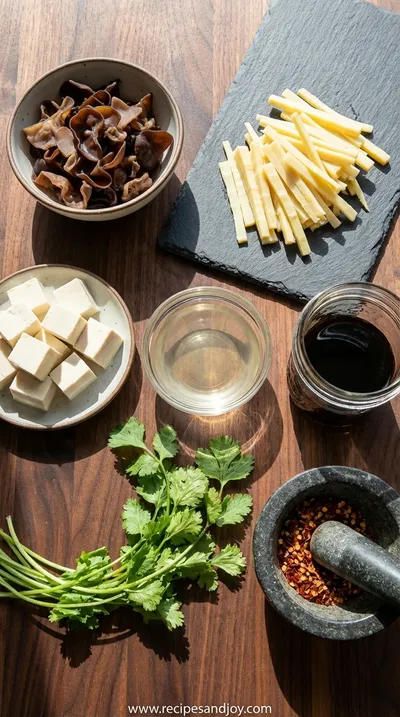
First, we gather our calm and our ingredients. This stage is all about mindful chopping and organizing, like setting up your color palette before you start painting. Rehydrate your shiitake mushrooms in hot water until they're soft and pliable; this quiet time allows them to release their incredible flavor into the water, which we'll use for our broth. While they soak, you can press your tofu to remove excess water, then slice it into delicate little matchsticks. It’s a meditative process—slicing the bamboo shoots, julienning the carrots, mincing the ginger and garlic. Having everything prepped and ready in little bowls makes the cooking part feel like a graceful, seamless dance.
-
Building the Broth:
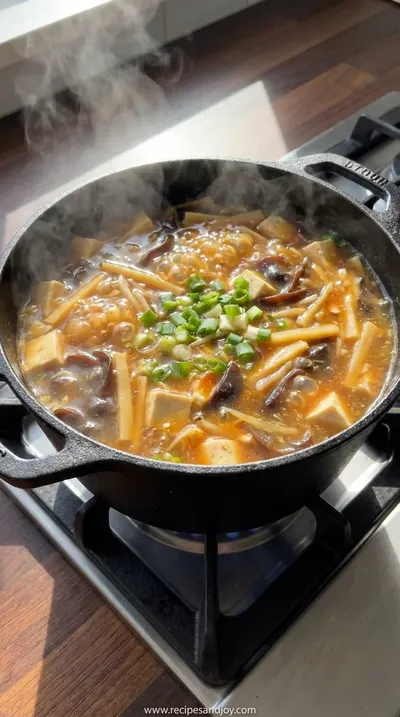
Now for the magic. In a large pot or Dutch oven, you'll gently sauté the aromatics—the ginger and garlic—until their fragrance fills your kitchen. It's one of my favorite smells in the world. Then, you'll add the mushroom broth you saved (see, I told you it was gold!), the vegetable stock, and the sliced mushrooms. This is where the foundation of our flavor is built. You’ll bring it to a gentle simmer, letting all those savory notes meld together. This is a moment for patience, just letting the heat do its work to draw out all that beautiful, earthy goodness from the mushrooms.
-
Finishing and Thickening:
This is the final act where everything comes together. You'll stir in the soy sauce, black vinegar, and that crucial white pepper, tasting as you go to find your perfect balance. The carrots, bamboo shoots, and tofu are added now, just needing a few minutes to warm through. The grand finale is whisking in the cornstarch slurry, which transforms the broth from thin to a gloriously silky, slightly thickened consistency that coats every ingredient beautifully. A final swirl of sesame oil adds a nutty aroma, and then it’s ready to be ladled into bowls and enjoyed immediately. It’s such a satisfying finish.
-
Don't discard the mushroom soaking liquid; it's the key to a deep, savory broth.
-
Add the vinegar and sesame oil at the very end of cooking to preserve their bright flavors and aromas.
-
When adding the cornstarch slurry, stir the soup continuously to prevent clumps from forming.
Pro Tips
Following these little details really helps in achieving that perfect, restaurant-quality texture and taste right at home. It’s the small things that make the biggest difference.

Frequently Asked Questions
→ Can I make this soup gluten-free?
Absolutely! It's a very simple switch. The only ingredient you need to be mindful of is the soy sauce. Just substitute it with tamari or a gluten-free soy sauce, which are readily available at most grocery stores these days. Also, double-check your vegetable broth and black vinegar to ensure they are certified gluten-free, as some brands can have hidden sources. With those small adjustments, you'll have a delicious gluten-free version.
→ What if I can't find Chinese black vinegar?
While I really recommend finding Chinese black vinegar for its unique malty flavor, don't let it stop you from making this soup! You can substitute it with rice vinegar. I'd suggest starting with a little less than the recipe calls for, as rice vinegar can be a bit sharper, and then add more to taste. A tiny splash of balsamic vinegar mixed with the rice vinegar can also help mimic some of that aged complexity, which is a fun little trick.
→ How can I make the soup spicier or less spicy?
This is all about personal preference! The 'hot' in this soup comes from the white pepper. To make it spicier, simply add more white pepper, a little at a time, until you reach your desired heat level. You can also add a swirl of chili garlic sauce or sriracha at the end for a different kind of heat. To make it milder, just reduce the amount of white pepper. Start with half the amount and adjust from there. You have complete control.
→ What other vegetables can I add to this soup?
Oh, feel free to get creative! This soup is very forgiving. Finely shredded cabbage, sliced bell peppers, water chestnuts, or even some baby corn would be lovely additions. I would just add them in the last few minutes of cooking so they stay tender-crisp. Think of it like my hearty vegan stew; it’s a great way to use up whatever veggies you have lingering in the crisper drawer.
→ Can I use fresh mushrooms instead of dried?
You can, but it will change the flavor profile quite a bit. Dried shiitakes are the secret to that deep, umami-rich broth. If you use fresh mushrooms, the soup will still be tasty, but the broth will be much lighter and less savory. If you do use fresh, I recommend sautéing them until they are nicely browned to develop their flavor before adding the broth. You might also want to add a splash more soy sauce or a touch of miso paste to compensate for the lost umami.
→ How do I store and reheat leftovers?
Leftovers are fantastic! Store the soup in an airtight container in the refrigerator for up to 4 days. The flavors actually meld and deepen overnight. When you're ready to eat, just reheat it gently in a saucepan over medium-low heat until it's warmed through. I find that the cornstarch-thickened broth holds up really well. Avoid boiling it, as that can sometimes affect the texture.
→ My soup isn't thick enough. What did I do wrong?
Oops, that's an easy fix! It likely just needs a bit more of the cornstarch slurry. In a small bowl, whisk together another tablespoon of cornstarch with two tablespoons of cold water until it's perfectly smooth. While the soup is at a gentle simmer, slowly drizzle in the new slurry while stirring constantly. Let it cook for another minute or two, and you'll see it thicken up beautifully. It's much less fussy than making a roux for something like a creamy cauliflower soup.
Nutrition Facts
per serving
180
Calories
10g
Protein
22g
Carbs
6g
Fat
Taste Profile
A vibrant and complex balance of tangy, savory, and peppery heat.
Ingredient Substitutions
Don't have an ingredient? Try these alternatives
Five-spice tofu adds another layer of flavor. Chickpeas would add a nice, hearty texture, just add them with the other vegetables to warm through.
This combination helps mimic the malty, slightly sweet complexity of the black vinegar. Start with less and adjust to your taste.
Recipe Variations
Try these delicious twists on the original
Extra Vegetable Version
Feel free to add more vegetables like thinly sliced wood ear mushrooms for crunch, baby bok choy, or napa cabbage in the last few minutes of cooking for extra nutrients and texture.
Noodle Soup Version
Turn this into a more substantial meal by adding cooked rice noodles or ramen to the bowls before ladling the hot soup over them. It's incredibly satisfying.
Common Mistakes to Avoid
Learn from others' mistakes for perfect results
- Forgetting to strain the mushroom water. It can have grit at the bottom, and straining ensures a perfectly smooth broth.
- Adding the cornstarch slurry to boiling soup. A very hot soup can cause the starch to seize and clump. Add it to a gentle simmer while stirring.
- Using black pepper instead of white pepper. It will still be a soup, but it won't have that signature 'hot and sour' flavor profile.
- Overcooking the vegetables. The carrots and bamboo shoots should retain a slight crunch for the best texture.
Meal Prep & Storage
Make Ahead Tips
You can definitely prep the components ahead of time to make assembly a breeze. The vegetables can be julienned and the tofu can be pressed and sliced a day in advance; just store them in separate airtight containers in the fridge. You can also rehydrate the mushrooms and make the broth base (steps 1 and 2), then cool and refrigerate it. When you're ready to eat, simply bring the broth back to a simmer and proceed with the recipe.
Leftover Ideas
Leftover hot and sour soup is a real treat. Reheat it gently on the stovetop until just warmed through. It's wonderful on its own, but you can also pour it over a bowl of freshly cooked rice or quinoa for a new meal. Sometimes, I'll even add a handful of fresh spinach to the pot while reheating for an extra dose of greens. The flavors really have time to meld overnight.
Perfect Pairings
Serve this with...
Cooking Timeline
Begin soaking the dried shiitake mushrooms in hot water. While they soak, start prepping other ingredients.
Press and slice the tofu. Julienne the carrot and bamboo shoots. Mince the garlic and ginger.
Remove mushrooms from water, slice them. Sauté aromatics in the pot.
Add broths and mushrooms, and simmer for 10 minutes to build flavor.
Add remaining vegetables, tofu, and seasonings. Thicken with cornstarch slurry, finish with sesame oil, and serve.

Vegan Hot and Sour Soup: Easy Recipe
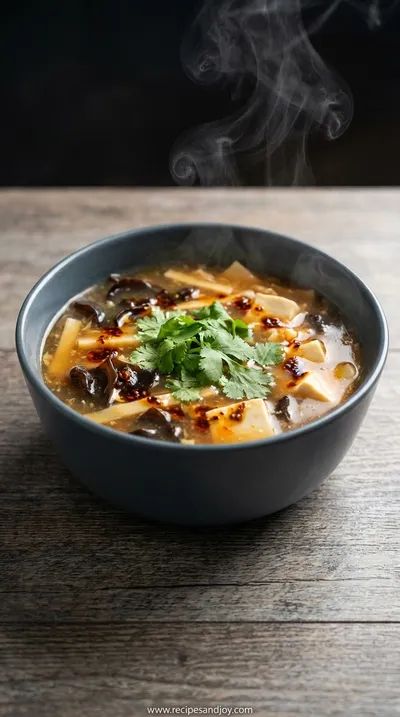
There's a certain kind of magic in a soup that can warm you from the inside out, and this vegan hot and sour soup is pure alchemy. It's that beautiful, delicate dance between spicy and tangy, with a broth that's both light and deeply savory. I wanted to create a version that felt just as satisfying as the restaurant classics but was built entirely on the goodness of plants. The earthy shiitake mushrooms, the subtle crunch of bamboo shoots, and the silky ribbons of tofu all swim together in a broth that hits every single note. It's a bowl of pure comfort that feels both invigorating and restorative all at once, perfect for a chilly evening or when you just need a little boost.
Crafting this soup is a sensory experience from start to finish. The aroma of ginger and garlic hitting the hot oil, the earthy scent of the mushrooms rehydrating, the steam that rises when you pour in the broth—it’s all part of the process. This isn’t just about following steps; it’s about feeling your way through the flavors and textures. It’s a wonderfully flexible recipe, inviting you to adjust the heat and the sourness until it's just right for your palate. So, yeah, it's more than just a recipe; it’s an invitation to slow down, engage your senses, and create a truly nourishing meal that feels like a hug in a bowl.
Timing
Prep Time
20 Minutes
Cook Time
25 Minutes
Total Time
45 Minutes
Recipe Details
Ingredients
For the Soup
-
01
8-10 dried shiitake mushrooms
-
02
6 cups vegetable broth
-
03
1 tbsp avocado oil or neutral oil
-
04
2 cloves garlic, minced
-
05
1 tbsp fresh ginger, minced
-
06
1 carrot, julienned
-
07
1 (8-ounce) can bamboo shoots, drained and julienned
-
08
1 (14-ounce) block firm or extra-firm tofu, pressed and cut into thin strips
For the Flavor & Finish
-
01
1/4 cup soy sauce or tamari
-
02
1/4 cup Chinese black vinegar (or rice vinegar)
-
03
1 to 2 tsp ground white pepper (to taste)
-
04
1/4 cup cornstarch
-
05
1/2 cup cold water
-
06
1 tsp toasted sesame oil
-
07
2 green onions, thinly sliced for garnish
-
08
A handful of fresh cilantro, chopped for garnish
Instructions
First, let's gently wake up our mushrooms. Place the dried shiitakes in a medium bowl and cover them with about 2 cups of very hot water. Let them sit and soak for about 20-30 minutes, until they're soft and pliable. Once they're rehydrated, lift the mushrooms out, giving them a gentle squeeze over the bowl to release any extra liquid. But please, please don't discard that beautiful, dark soaking water! Strain it through a fine-mesh sieve to remove any grit, and set it aside. Then, trim off and discard the tough stems from the mushrooms and thinly slice the caps. This is a quiet, patient first step that builds so much flavor.
Now, let’s build the heart of our soup. In a large pot or Dutch oven, warm the avocado oil over medium heat. Add the minced garlic and ginger, and sauté for just a minute until they become wonderfully fragrant—that smell is just the best, isn't it? Pour in the vegetable broth and the reserved mushroom soaking liquid. Add the sliced mushroom caps to the pot. Bring everything to a lively simmer and then reduce the heat to low, letting it gently bubble for about 10 minutes. This gives the flavors a chance to mingle and create a truly savory base.
It’s time to add our layers of flavor and texture. Stir in the soy sauce, black vinegar, and the ground white pepper. I like to start with 1 teaspoon of pepper and add more later if I'm feeling spicy. Add the julienned carrots, bamboo shoots, and the delicate strips of tofu to the pot. Let them simmer in the broth for about 5 minutes, just until the carrots are tender-crisp. You don't want to overcook them; that little bit of bite is so nice. While it's simmering, whisk together the cornstarch and the 1/2 cup of cold water in a small bowl until it's completely smooth, with no lumps.
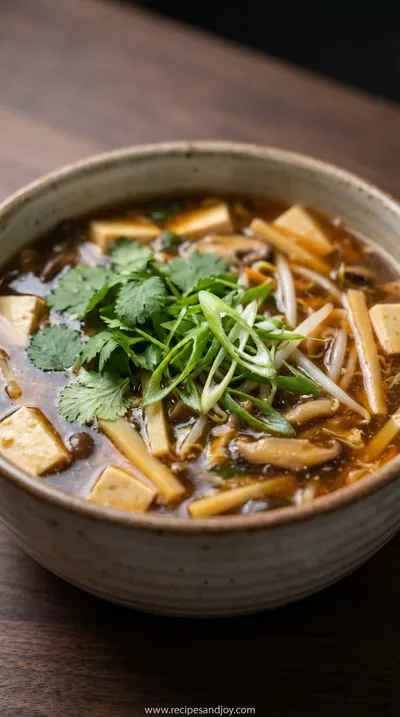
Here's the final touch. Make sure the soup is at a gentle, steady simmer. Slowly pour the cornstarch slurry into the pot while stirring continuously. You'll feel the soup begin to thicken almost immediately, transforming into a silky, luscious texture. Let it cook for another minute or two to cook off any starchy taste. Remove the pot from the heat and stir in the toasted sesame oil—this last-minute addition keeps its nutty aroma bright and beautiful. Ladle the soup into bowls and garnish generously with sliced green onions and fresh cilantro. Serve it hot and just enjoy that perfect, comforting balance.
Notes & Tips
-
1
The key to a silky, non-clumpy soup is to make sure your cornstarch is fully dissolved in COLD water before adding it to the hot broth. If you use warm water, it will start to clump up before it even hits the pot, and nobody wants that, haha.
-
2
Taste, taste, taste! The amounts for vinegar and white pepper are a starting point. Some like it more sour, some like it hotter. After you add them in Step 3, give the broth a taste and adjust it until it makes you happy. Cooking should be intuitive like that.
-
3
Pressing the tofu is a small step that makes a big difference. It helps the tofu hold its shape in the soup and absorb the flavors of the broth better. Just wrap the block in a few paper towels or a clean kitchen towel and place something heavy on top for about 15 minutes.

Tools You'll Need
-
You'll need a nice, heavy-bottomed pot to build the soup in. This ensures even heating and prevents the aromatics from scorching.
-
This is essential for straining the mushroom soaking liquid. It catches any sediment or grit from the dried mushrooms, leaving you with a pure, flavorful broth.
-
A small whisk is your best friend for creating a perfectly smooth cornstarch slurry. It helps dissolve the cornstarch completely, which is key to avoiding lumps.
-
Good prep is everything. A sharp knife makes slicing the mushrooms and julienning the vegetables a much more pleasant and precise task.
Must-Know Tips
-
Balance is Key: Hot and sour soup is a study in balance. Don't be afraid to adjust the vinegar and white pepper at the end until it tastes just right to you.
-
Silky Texture Secret: Slowly streaming in the cornstarch slurry while constantly stirring is the best way to achieve that classic, silky consistency without any clumps.
-
Don't Boil the Vinegar: Add the vinegar towards the end of the cooking process. Boiling it for too long can diminish its complex, tangy flavor.
Professional Secrets
-
The Power of Mushroom Water: Never, ever throw out the liquid from rehydrating dried mushrooms. It's a flavor bomb of umami that creates an incredibly deep and savory broth.
-
White Pepper for Pungency: Use ground white pepper, not black. It provides a distinct, earthy heat that is characteristic of this soup and hits differently than the fruitiness of black pepper.
-
Aromatics Last: To preserve their brightest notes, stir in the toasted sesame oil and fresh garnishes (green onion, cilantro) after you've taken the soup off the heat.

Recipe by
Isabella MooreFood makes every celebration brighter 🎉🍽️ Creating magical seasonal moments with delicious recipes ✨
Get Delicious Recipes Weekly
Join 25,000+ home cooks getting our best recipes straight to their inbox.
Free forever • No spam • Unsubscribe anytime