
I remember when my daughter was little, she went through a phase where she was suspicious of every single vegetable. It was, ugh, a challenge. I’d try everything, and she’d just push her plate away. One rainy afternoon, I decided to make a big pot of this soup. I didn’t make a big deal about it; I just let her help me wash the carrots and snap the green beans. She sat on a stool, her little hands carefully dropping the chopped potatoes into a bowl. We didn’t talk about eating it, just about making it. The whole house started to smell so warm and inviting. When it was time for dinner, I served her a tiny bowl with a piece of crusty bread. She just… ate it. Every last drop. It felt like a small miracle.
Since then, this soup has become a fixture in our home. It’s our ‘clean out the fridge’ meal, our ‘feel better soon’ meal, and our ‘welcome home’ meal. It’s seen us through colds, celebrated small victories, and warmed us up after long walks in the autumn leaves. It reminds me that sometimes the most profound connections are made over the simplest things. It's not as complex as a classic French Onion Soup, but its magic lies in its humility. It’s just good, honest food that brings people together, and that’s a beautiful thing.
Why You'll Adore This Soup
This is the soup my family asks for again and again. It's simple, heartwarming, and feels so nourishing.
Essential Ingredient Guide
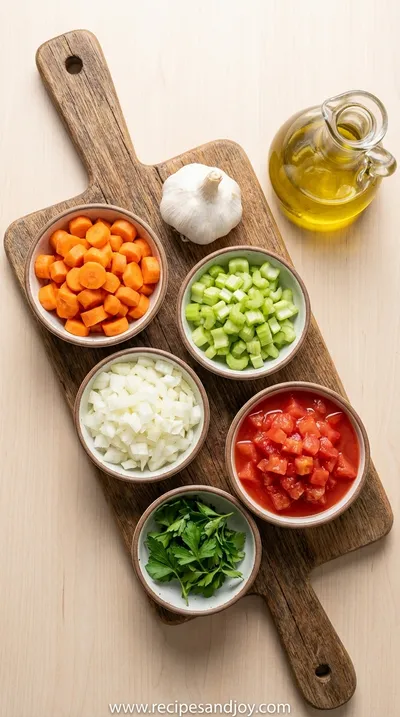
- The Mirepoix (Onion, Carrots, Celery):
- Good-Quality Vegetable Broth:
- Potatoes:

Complete Cooking Process
-
Building the Flavor Base:
Everything begins with creating a deep, aromatic foundation. We start by gently warming some olive oil in a large pot or Dutch oven over medium heat. The moment you add the onions, carrots, and celery, the kitchen starts to smell like home. It’s so important to let them sweat and soften without browning too much, for about 8-10 minutes. This slow process coaxes out their natural sweetness. Once they’re soft, the minced garlic goes in for just a minute until it’s fragrant—you have to be careful here, as burnt garlic is, oops, not a flavor we want.
-
Simmering to Perfection:
Once the base is fragrant, we add the heartier ingredients. The diced potatoes, green beans, and canned tomatoes go in, along with the vegetable broth and herbs. This is when the magic really starts. You bring it all to a boil, then immediately reduce the heat to a gentle simmer. I love this part—the gentle bubbling, the steam rising. You cover the pot and just let it be for about 20-25 minutes, allowing all those flavors to get to know each other and the potatoes to become perfectly tender.
-
The Finishing Touches:
In the last few minutes of cooking, you add the quicker-cooking vegetables like corn and peas. They only need about five minutes to heat through, and this keeps them bright and sweet, adding little pops of color and texture. After that, it’s all about tasting and adjusting. A little salt, a generous amount of freshly ground black pepper, and maybe a sprinkle of fresh parsley or dill can brighten everything up. It’s this final step that ties the whole beautiful pot of soup together.
-
Don't Rush the Sauté: Giving the mirepoix a full 8-10 minutes to soften is the secret to a deeply flavorful broth.
-
Cut Veggies Uniformly: Try to chop all your vegetables to a similar size for even cooking and a pleasant texture in every spoonful.
-
Herb Power: A bay leaf and some dried thyme add a subtle, savory depth. Don't forget to fish out the bay leaf before serving!
-
Taste and Season at the End: Always taste your soup before serving. It might need a final pinch of salt or a squeeze of lemon juice to make the flavors pop.
Pro Tips for the Best Soup
These little details, honestly, make a huge difference between a good soup and a truly memorable one.
 Sweet Treats & Desserts
No-Bake Protein Energy Balls – Easy Healthy Snack
A simple, no‑bake bite of protein‑packed goodness you can carry anywhere.

Your Questions, Answered
→ Can I use frozen vegetables for this soup?
Absolutely! Frozen vegetables are a fantastic shortcut and work beautifully here. I often keep bags of frozen peas, corn, and green beans on hand for this very reason. The best approach is to add them during the last 5-10 minutes of simmering, as they cook much faster than fresh, heartier veggies like potatoes and carrots. This way, they stay vibrant and don't turn mushy. It’s a great way to make this soup even quicker on a busy weeknight.
→ How can I make this vegetable soup creamy?
Oh, that's a lovely idea. For a creamy texture, you have a few wonderful options. You could add a splash of coconut milk or heavy cream at the very end of cooking, just be sure not to boil it. Another method I love is to blend a portion of the soup. Simply scoop out a cup or two, blend it until smooth, and then stir it back into the pot. This thickens the soup naturally without adding any dairy. A can of cannellini beans, partially blended, also adds a beautiful creaminess.
→ What's the best way to store leftovers?
This soup stores beautifully, and dang, the flavors are even better the next day! Let the soup cool down completely at room temperature, then transfer it to an airtight container. It will keep well in the refrigerator for up to 5 days. When you're ready to eat, you can reheat it gently on the stovetop over medium-low heat or in the microwave. It’s the perfect lunch to pack for work.
→ Can I add protein to make it a more complete meal?
Yes, for sure! This soup is a wonderful canvas for adding protein. Cooked shredded chicken, canned chickpeas, or cannellini beans are all excellent choices. Just stir them in during the last 10 minutes of cooking to let them heat through and absorb the flavors. If you want something different, you could even add some small pasta or cooked grains like quinoa or farro to make it heartier. While not as traditional as say, an Indian chicken soup, it makes for a very satisfying one-bowl dinner.
→ Is it possible to make this soup in a slow cooker or Instant Pot?
Definitely! For a slow cooker, I recommend sautéing the onion, carrots, celery, and garlic on the stovetop first to build that flavor base, then transfer everything to the slow cooker. Add the rest of the ingredients (except the peas and corn) and cook on low for 6-8 hours or high for 3-4 hours. Stir in the peas and corn during the last 30 minutes. For an Instant Pot, use the sauté function for the mirepoix, then add the remaining ingredients, seal, and cook on high pressure for about 8 minutes, followed by a natural release.
→ What other herbs and spices would work well in this soup?
Oh, feel free to get creative with the seasonings! Besides thyme and bay leaf, dried oregano, rosemary, or a pinch of smoked paprika would be lovely. For a different flavor profile, you could add a little curry powder for warmth or a pinch of red pepper flakes for a gentle heat. I love finishing it with fresh herbs—parsley, dill, or chives add such a nice, bright flavor at the end. It's not as bold as a hot and sour soup, but you can definitely spice it up.
→ Can this vegetable soup be frozen?
Yes, this soup freezes quite well, which makes it perfect for meal prepping. The one small thing to note is that potatoes can sometimes become a little grainy in texture after freezing and thawing. If you know you're making a batch specifically for the freezer, you might consider using waxy potatoes like Yukon Golds, which hold up better, or even swapping them for something like parsnips or sweet potatoes. Allow the soup to cool completely, then freeze it in portions for easy weeknight meals.
→ What kind of bread is best for serving with this soup?
I mean, is there anything better than dipping bread into a warm bowl of soup? I think not. A good, crusty sourdough is my absolute favorite—it has a wonderful tangy flavor and holds up well to dunking. A simple French baguette or a hearty whole-grain bread would also be perfect. Honestly, even simple crackers or some homemade garlic bread would be a delicious companion. It’s all about having something to soak up every last bit of that flavorful broth.

Nutrition Facts
per serving
150
Calories
4g
Protein
25g
Carbs
5g
Fat
Taste Profile
A beautifully balanced, savory, and slightly sweet flavor from the slow-cooked vegetables and rich broth.
Ingredient Substitutions
Don't have an ingredient? Try these alternatives
For a slightly sweeter, earthier flavor, swap the potatoes for peeled and diced sweet potatoes or butternut squash. The cooking time will be very similar.
If you are not vegetarian or vegan, feel free to use a good quality chicken or beef broth. It will create a richer, deeper flavor in the finished soup.
Different fresh herbs can completely change the character of the soup. Dill will add a lovely, slightly tangy flavor, while chives will provide a mild, delicate oniony note.
Recipe Variations
Try these delicious twists on the original
Hearty Bean & Kale Soup
Add a can of rinsed cannellini beans or chickpeas along with the potatoes. In the last 5 minutes of cooking, stir in a few large handfuls of chopped kale until it wilts.
Lemony Herb Vegetable Soup
Stir in the juice of one lemon and a quarter cup of mixed fresh herbs like dill and chives at the very end of cooking for a bright, vibrant, and fresh flavor profile.
Vegetable Noodle Soup
For a version that reminds me of a simple vegan soup with more substance, add 1/2 cup of small pasta, like ditalini or small shells, during the last 10 minutes of simmering. You may need to add a little extra broth as the pasta will absorb some liquid.
Common Mistakes to Avoid
Learn from others' mistakes for perfect results
- Boiling instead of simmering: Boiling the soup too vigorously can cause the vegetables to break down and become mushy. A gentle simmer is key for perfect texture.
- Under-seasoning: Vegetable soup needs a good amount of salt to bring out the flavors. Don't be shy—taste and adjust at the end until it's perfect.
- Crowding the pot: Make sure you use a large enough pot. If the vegetables are too crowded, they will steam instead of sautéing properly at the beginning, which means less flavor development.
- Adding all vegetables at once: Different vegetables have different cooking times. Adding delicate peas at the beginning with the hardy potatoes will result in overcooked, grey peas.
Meal Prep & Storage
Make Ahead Tips
This soup is perfect for making ahead. You can chop all the vegetables (onion, carrots, celery, potatoes) up to two days in advance and store them in airtight containers in the refrigerator. Just keep the potatoes submerged in cold water to prevent browning. The full soup can be prepared up to 5 days in advance and stored in the fridge; the flavors will only get better with time.
Leftover Ideas
Leftovers are fantastic! Simply reheat gently on the stovetop. You can transform leftovers by adding cooked rice, quinoa, or small pasta to make a new meal. Another wonderful idea is to blend the leftover soup with a little cream or coconut milk to create a smooth, creamy vegetable soup for a completely different experience.
Perfect Pairings
Serve this with...
Cooking Timeline
Wash and chop all your vegetables. This mise en place step makes the cooking process smooth and relaxing.
Sauté the mirepoix (onion, carrots, celery) in olive oil until soft and fragrant. Add garlic for the final minute.
Add broth, tomatoes, potatoes, and herbs. Bring to a boil, then reduce to a low simmer and cover. Let it cook for 25 minutes.
Stir in the green beans, corn, and peas. Simmer for another 5 minutes until everything is cooked through.
Remove from heat, take out the bay leaf, season to taste with salt and pepper, and stir in fresh parsley before serving.
 Sweet Treats & Desserts
Healthier Hot Chocolate Recipe
Learn how to make a delicious healthier hot chocolate that's perfect for a cozy warm beverage.
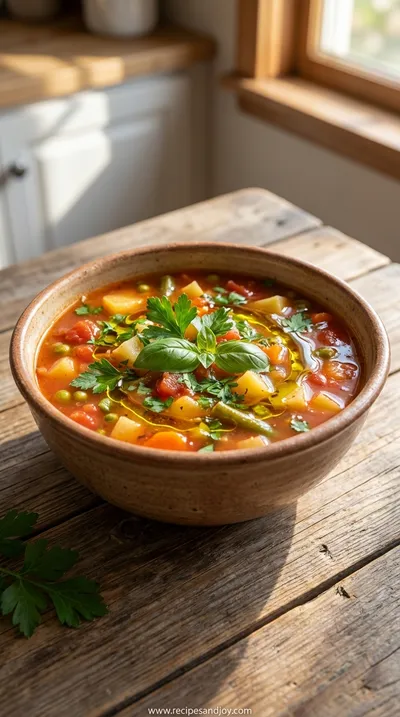
Best Vegetable Soup Recipe for Easy Family Dinners
This easy vegetable soup recipe is healthy, simple and perfect for family cooking. A nutritious meal that's ready in no time!
Timing
Prep Time
20 Minutes
Cook Time
40 Minutes
Total Time
1 Hour
Recipe Details
Ingredients
For the Soup
-
01
2 tablespoons olive oil
-
02
1 large yellow onion, chopped
-
03
3 medium carrots, peeled and chopped
-
04
3 celery stalks, chopped
-
05
4 cloves garlic, minced
-
06
2 medium Yukon Gold potatoes, peeled and diced
-
07
1 (28-ounce) can diced tomatoes, undrained
-
08
8 cups vegetable broth, low sodium
-
09
1 teaspoon dried thyme
-
10
1 bay leaf
-
11
1 ½ cups green beans, fresh or frozen, trimmed and cut into 1-inch pieces
-
12
1 cup sweet corn, fresh or frozen
-
13
1 cup green peas, fresh or frozen
-
14
1 teaspoon salt, or to taste
-
15
½ teaspoon freshly ground black pepper, or to taste
-
16
2 tablespoons chopped fresh parsley, for garnish
Instructions
First, we begin by building our flavor foundation, which is honestly the most important part. Place a large Dutch oven or heavy-bottomed pot over medium heat and add the olive oil. Once it shimmers slightly, add your chopped onion, carrots, and celery. Let them cook gently, stirring occasionally, for about 8 to 10 minutes. You're looking for them to become soft and translucent, not browned. This slow sauté releases their natural sweetness and creates a beautiful aromatic base for the whole soup. It's a slow step, but so worth it.
Now that your kitchen smells amazing, it's time to add the garlic. Stir in the minced garlic and cook for just one more minute until you can really smell its fragrance. Be careful not to let it burn, as it can become bitter quite quickly. Immediately after, pour in the vegetable broth, the undrained can of diced tomatoes, the diced potatoes, dried thyme, and the bay leaf. Give everything a good stir to combine all those lovely ingredients. The pot will look so full and colorful at this point.
Next, you’ll want to bring the soup to a gentle boil. Once you see those first bubbles, reduce the heat to low, cover the pot, and let it simmer away. This is the part where you can walk away and let the stove do the work. Let it simmer for about 20 minutes, or until the potatoes are tender when pierced with a fork. This gives all the flavors time to meld together beautifully. It is a much simpler simmer than some recipes, like my Thai curry soup, but just as satisfying.
For the final touch, stir in the green beans, corn, and peas. If you're using frozen, you can just add them straight from the freezer. Let the soup simmer for another 5 minutes, which is just enough time for these tender vegetables to cook through while retaining their bright color and a slight crispness. Finally, remove the bay leaf—oops, don’t forget that step! Season generously with salt and pepper, tasting as you go until it’s just right. I love to stir in some fresh parsley right before serving to add a final burst of freshness.
Notes & Tips
-
1
Feel free to use any vegetables you have on hand. Zucchini, bell peppers, sweet potatoes, or kale would all be wonderful additions. Just be mindful of cooking times; add heartier vegetables with the potatoes and quicker-cooking ones like kale or zucchini toward the end.
-
2
For an extra layer of flavor, you can add a parmesan rind to the soup while it simmers. It imparts a subtle, savory, umami depth to the broth. Just remember to remove it along with the bay leaf before serving. This is a great little trick I learned years ago.
-
3
A squeeze of fresh lemon juice at the end can work wonders. It doesn't make the soup taste sour, but it brightens up all the vegetable flavors and makes the whole dish feel a little more vibrant and fresh. It’s a simple step that really elevates the final result.
 Easy Everyday Dinners
French Onion Beef Sloppy Joes – Easy Dinner
Hearty French onion beef sloppy joes with caramelized onions and a savory, sweet sauce.
Tools You'll Need
-
Large Dutch Oven or Stockpot: A heavy-bottomed pot is essential because it distributes heat evenly, which prevents the vegetables from scorching while they sauté. I love using my enameled cast iron Dutch oven; it holds heat so beautifully and is perfect for simmering soups low and slow.
-
Sharp Chef's Knife: A good, sharp knife makes the process of chopping all those vegetables so much more enjoyable and, honestly, safer. Taking the time to prep everything before you start cooking makes the whole process feel calm and organized.
-
Large Cutting Board: You'll need a stable, spacious surface for all that chopping. A large cutting board gives you plenty of room to work without feeling cramped, and I like to place a damp paper towel underneath to keep it from slipping.
-
Wooden Spoon or Spatula: Something sturdy for stirring is a must. A wooden spoon is classic for a reason; it won't scratch the bottom of your pot and it feels so nice and solid in your hand as you stir everything together.
Must-Know Tips
-
Embrace the Mirepoix: Don't skimp on the time it takes to soften the onion, carrots, and celery. This step is non-negotiable for a soup with deep, developed flavor.
-
Season in Layers: Add a pinch of salt when you're sautéing the mirepoix and then adjust the final seasoning at the end. Layering salt helps build a more complex flavor profile.
-
Let it Rest: If you have the time, let the soup sit off the heat for 10-15 minutes before serving. This allows the flavors to settle and meld even further, making it taste even better.
Professional Secrets
-
A Splash of Acidity: A tiny splash of white wine vinegar or a squeeze of lemon juice stirred in right before serving will brighten all the vegetable flavors and make the soup taste incredibly fresh.
-
The Power of a Bay Leaf: It may seem like a small thing, but a single bay leaf adds a subtle, almost minty and peppery background note that you can't quite place, but you'd miss if it were gone. It’s a quiet workhorse.
-
Umami Boost: For a richer, more savory broth, especially in a vegan soup, add a tablespoon of tomato paste with the garlic or a teaspoon of miso paste at the end. It adds a wonderful depth.

Recipe by
Isabella MooreFood makes every celebration brighter 🎉🍽️ Creating magical seasonal moments with delicious recipes ✨
Get Delicious Recipes Weekly
Join 25,000+ home cooks getting our best recipes straight to their inbox.
Free forever • No spam • Unsubscribe anytime