
I remember the first time I made this. It was for a small dinner party, one of those evenings where I wanted everything to feel effortlessly elegant. I was so nervous, I mean, it sounds so fancy, right? 'Gratin Dauphinoise.' But as I worked, I realized its beauty is in its simplicity. It’s not about complex techniques; it’s about good ingredients and time. That night, the potatoes were the star. The quiet 'oohs' and 'aahs' as everyone took their first bite—that creamy, melt-in-your-mouth texture—it was just, wow. It taught me that the most luxurious things are often the most fundamental. It's not a complicated chicken stew; it's just potatoes and cream, elevated to something sublime.
Why You'll Adore This Recipe
-
Incredibly Luxurious Texture: The potatoes become impossibly tender, practically melting into the velvety cream sauce. Each bite feels so rich and decadent, it’s honestly hard to stop at one serving. It’s pure, unadulterated comfort.
-
Simple, Elegant Ingredients: You don't need a long shopping list for this. Just potatoes, cream, garlic, and a little nutmeg. It’s a testament to how humble ingredients can create something so sophisticated and memorable. It’s a cornerstone of simple family cooking.
-
The Ultimate Comfort Food: The aroma alone is enough to make you feel cozy and cared for. It’s the perfect side for a special occasion, a holiday meal, or just a Sunday evening when you need a little extra warmth and grace on your plate.
-
Surprisingly Forgiving: While it looks impressive, it’s a very straightforward process. There’s no complex technique, just patient layering and baking. It’s one of those recipes that makes you feel like a kitchen superstar with minimal fuss, perfect for easy everyday dinners.
This recipe is pure comfort and elegance. It turns a simple potato into something truly magical.
Essential Ingredient Guide
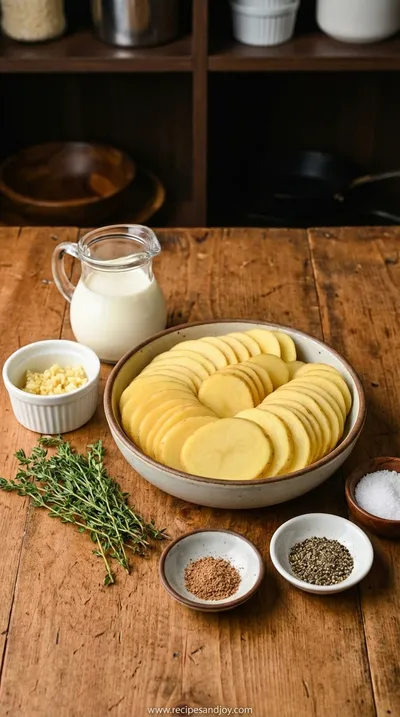
- Waxy Potatoes: This is really the key. I use Yukon Golds or Russets. You want a potato that holds its shape when cooked but also has enough starch to help thicken the cream sauce. The texture is everything here; a waxy potato ensures the layers stay distinct and don't turn to mush. Slice them as evenly as you can—a mandoline is a lifesaver here, but a patient hand and a sharp knife work beautifully too.
- Heavy Cream: Please, please use real heavy cream. This isn't the place for half-and-half or milk. The high fat content is what creates that unbelievably rich, stable sauce that coats every single slice of potato. It won’t curdle in the oven, and it reduces down to something purely magical. It’s the soul of the dish, so it’s worth indulging.
- Fresh Garlic: Fresh garlic is non-negotiable. I use a whole clove to rub the inside of the baking dish, which imparts this subtle, foundational layer of flavor. Then, I mince a few more cloves to infuse into the cream. The garlic mellows as it bakes, becoming sweet and aromatic, weaving its way through every layer. It’s not overpowering, just a perfect, warm hum in the background.
Complete Cooking Process
-
Preparation:
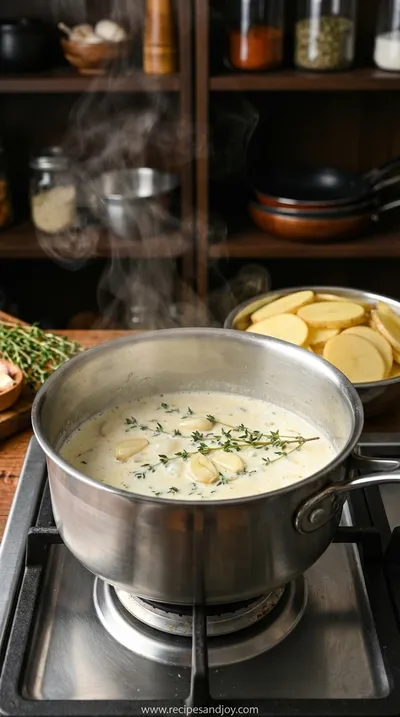
First, take a deep breath and settle in. This part is rhythmic and soothing. You’ll want to peel your potatoes and slice them very thinly and evenly. I really recommend a mandoline for this; it makes the process quick and ensures every slice is the same thickness, which is key for even cooking. If you don't have one, just use your sharpest knife and take your time. As you slice them, place them in a bowl of cold water to prevent browning. Then, you'll gently warm your cream with minced garlic, salt, pepper, and a whisper of nutmeg. Don't boil it, just let it steep like tea, so the flavors meld together beautifully. This infused cream is what transforms the dish from simple to sublime.
-
Layering:
This is my favorite part; it feels like assembling a delicate piece of art. Start by rubbing a cut garlic clove all over the inside of your baking dish. It’s a classic French trick that builds a subtle, foundational flavor. Then, drain your potatoes and pat them dry. Begin layering them in the dish, slightly overlapping each slice like fallen leaves. After a couple of layers, pour over some of your warm, infused cream. Continue this process—potatoes, cream, potatoes, cream—until you reach the top. You want the top layer of potatoes to be just peeking out of the cream. It’s a quiet, careful process that pays off immensely.
-
Baking:
Now, the oven does all the work. Slide your dish into a preheated oven and let it bake low and slow. For the first 45 minutes or so, I like to cover it with foil. This traps the steam and helps the potatoes cook through completely until they are fork-tender. Then, you’ll remove the foil for the last 15-20 minutes. This is when the magic happens: the top turns a gorgeous golden brown, the edges get a little crispy, and the cream thickens into a luscious sauce. Your entire home will fill with the most incredible, comforting aroma. It’s truly divine.
-
Do not rinse the potato slices after cutting (just soak to prevent browning). The surface starch is your friend—it helps thicken the sauce.
-
Use a wide, relatively shallow baking dish. This ensures a better ratio of creamy interior to golden, bubbly top.
-
Let the dish rest for at least 10-15 minutes after it comes out of the oven. This allows the sauce to set up, making it easier to serve and helping it hold its shape.
Pro Tips for Perfection
Honestly, patience is the biggest secret ingredient here. Let the oven do its thing, and give it time to rest before you dive in. It’s so worth the wait.
 Sweet Treats & Desserts
Healthier Hot Chocolate Recipe
Learn how to make a delicious healthier hot chocolate that's perfect for a cozy warm beverage.
Frequently Asked Questions
→ Can I make Dauphinoise Potatoes ahead of time?
Yes, absolutely! This is one of the reasons I love it for entertaining. You can bake it completely, let it cool, cover, and refrigerate for up to two days. To reheat, just cover with foil and warm it in a 350°F (175°C) oven for about 20-25 minutes, or until heated through. The flavors almost get better the next day, I think.
→ Why are my potatoes still hard after baking?
This usually comes down to two things: the slices were too thick, or the baking time wasn't long enough. Slices should be about 1/8-inch thick. If they're much thicker, they'll need a longer, slower bake to become tender. Also, be sure to test for doneness by piercing the center with a knife. It should slide in with absolutely no resistance. If it feels firm, just pop it back in the oven, covered, for another 15 minutes.
→ Can I use milk instead of heavy cream to make it lighter?
You can, but I’ll be honest, it changes the dish significantly. Heavy cream has a high fat content that prevents it from curdling under heat and creates that signature rich sauce. If you use milk, especially low-fat milk, you risk the sauce splitting or being watery. For a slightly lighter version, you could try a mix of half cream and half whole milk, but for the true Dauphinoise experience, cream is the way to go.
→ What's the difference between Dauphinoise and Scalloped Potatoes or Gratin?
It’s a subtle but important distinction! Classic, traditional Dauphinoise potatoes are made without cheese—just potatoes, cream, garlic, and seasoning. A Gratin, on the other hand, almost always implies a cheesy, often breadcrumbed, topping. Scalloped potatoes are typically a bit simpler, sometimes made with milk instead of cream and often without garlic. This version is all about the pure, creamy potato flavor.
→ Should I add cheese to this recipe?
While traditional Dauphinoise is cheeseless, adding cheese turns it into a Gratin, which is also incredibly delicious! If you want to add cheese, I recommend sprinkling some grated Gruyère, Parmesan, or even white cheddar between the layers and on top. It adds a wonderful nutty, savory depth. It's not classic, but it's a variation that my family absolutely adores.
→ What kind of potatoes are best for this dish?
Waxy potatoes are your best friend here. I almost always reach for Yukon Golds. They have the perfect balance of starch and moisture, so they hold their shape beautifully while still creating a creamy texture. Russets can also work and will result in a slightly softer, fluffier texture because of their higher starch content, but they can sometimes fall apart a bit more. Avoid very waxy potatoes like red potatoes, as they don't absorb the cream as well.
→ My cream sauce seems too thin. What did I do wrong?
Don't worry, this can happen! Usually, it just needs a little more time in the oven, uncovered, to reduce and thicken. The starch from the potatoes is what thickens the cream, so make sure your cream level isn't too high—it should just come up to the top layer of potatoes, not completely submerge it. Also, letting the dish rest for at least 10 minutes before serving is crucial; the sauce will thicken up considerably as it cools slightly.
Nutrition Facts
per serving
380
Calories
7g
Protein
25g
Carbs
28g
Fat
Taste Profile
Rich, creamy, and deeply savory with aromatic notes of garlic and a whisper of nutmeg.
Ingredient Substitutions
Don't have an ingredient? Try these alternatives
Russets will create a slightly softer, fluffier texture as they contain more starch. They work well, but be careful not to overcook them as they can lose their shape more easily than Yukon Golds.
If you must, you can use half-and-half, but the sauce will be less rich and may have a slightly higher chance of separating. For best results and that signature luxuriousness, heavy cream is highly recommended.
Recipe Variations
Try these delicious twists on the original
Gratin-Style with Gruyère
For a nuttier, more savory flavor, transform this into a gratin by adding 1 cup of shredded Gruyère cheese. Sprinkle it between the potato layers and generously over the top before the final, uncovered bake.
Herb-Infused Version
Add a few sprigs of fresh thyme or a bay leaf to the cream as it warms. This will infuse the entire dish with a subtle, earthy, and aromatic flavor that pairs beautifully with the garlic.
Sweet Potato Dauphinoise
For a beautiful and slightly sweeter twist, substitute half of the Yukon Gold potatoes with sweet potatoes. The color is stunning, and the flavor combination is perfect for autumn and winter meals.
Common Mistakes to Avoid
Learn from others' mistakes for perfect results
- Slicing the potatoes too thickly, which results in uneven cooking and hard spots.
- Boiling the cream instead of gently warming it, which can cause it to curdle.
- Using low-fat milk, which can lead to a thin, watery, or split sauce.
- Skipping the resting time after baking, which results in a runny sauce and messy slices.
- Covering the dish for the entire bake time, which prevents that beautiful golden-brown crust from forming.
Meal Prep & Storage
Make Ahead Tips
This dish is fantastic for making ahead. You can fully assemble it (uncooked), press a piece of plastic wrap directly onto the surface of the potatoes to prevent discoloration, and refrigerate for up to 24 hours before baking. Alternatively, you can bake it completely, cool, cover, and refrigerate for up to two days. Reheat covered in a 350°F (175°C) oven until hot and bubbly.
Leftover Ideas
Leftover Dauphinoise potatoes are a true treat. My favorite way to enjoy them is to cut a cold slice from the dish and pan-fry it in a little butter until golden and crispy on both sides. It's almost better than the first day! You can also gently reheat slices in the microwave or oven. They make a wonderfully indulgent base for a fried egg for breakfast.
Perfect Pairings
Serve this with...
Cooking Timeline
Preheat oven, prep baking dish with garlic and butter.
Gently warm and infuse the cream mixture on the stovetop.
Peel and thinly slice the potatoes, then layer them in the dish with the cream mixture.
Bake covered with foil for 45 minutes.
Remove foil and continue baking until golden brown and tender.
Let the dish rest for at least 10-15 minutes before serving.
 Easy Everyday Dinners
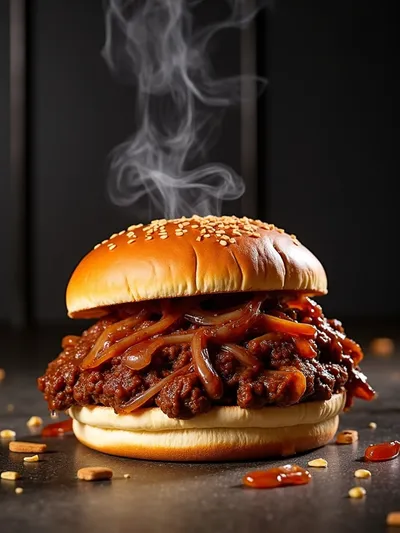
French Onion Beef Sloppy Joes – Easy Dinner
Hearty French onion beef sloppy joes with caramelized onions and a savory, sweet sauce.
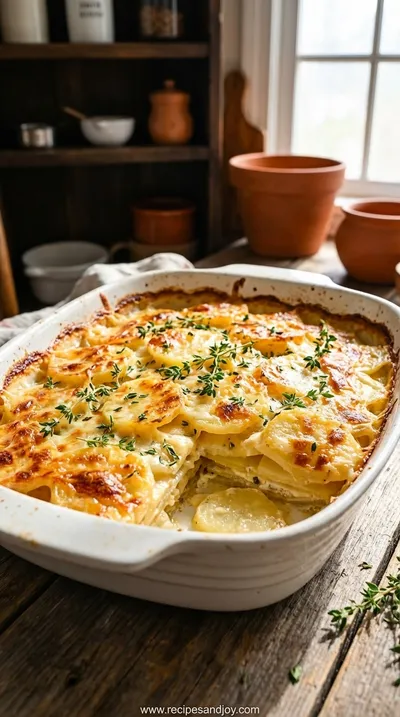
Creamy Dauphinoise Potatoes: Elegant Side Dish
Learn how to make classic dauphinoise potatoes with layers of thinly sliced potatoes baked in a creamy garlic sauce.
Timing
Prep Time
20 Minutes
Cook Time
60 Minutes
Total Time
1 Hour 20 Minutes
Recipe Details
Ingredients
For the Potatoes
-
01
2.5 lbs (about 1.2 kg) Yukon Gold or Russet potatoes, peeled
-
02
2 cups (480 ml) heavy cream
-
03
1 cup (240 ml) whole milk
-
04
3 cloves garlic, 2 minced and 1 halved
-
05
1 teaspoon kosher salt
-
06
1/2 teaspoon freshly ground black pepper
-
07
1/4 teaspoon freshly grated nutmeg
-
08
2 tablespoons unsalted butter, for the dish
Instructions
First, let's set a calm mood. Preheat your oven to 375°F (190°C). Take your halved garlic clove and rub it all over the bottom and sides of a 2-quart baking dish. It feels a little rustic and old-fashioned, but this step builds such a lovely, subtle flavor. Then, generously butter the dish. In a medium saucepan, gently warm the heavy cream, milk, minced garlic, salt, pepper, and nutmeg over medium-low heat. You’re just waking up the flavors here, not boiling. Let it warm until small bubbles appear around the edges, then remove it from the heat. The kitchen will start to smell amazing.
Now for the meditative part. Peel your potatoes and, using a mandoline or a very sharp knife, slice them into uniform, 1/8-inch thick rounds. This consistency is so important for even cooking. Try to work steadily so the potatoes don’t have much time to brown. As you slice them, you can begin layering them directly into your prepared baking dish. Create a flat, slightly overlapping layer across the bottom of the dish, like laying delicate tiles. Don't worry about perfection; just aim for an even layer.
Once you have a layer of potatoes, ladle about a quarter of the warm cream mixture over them. Gently nudge the potatoes to make sure the cream seeps into all the little crevices. Continue this gentle process—a layer of potatoes, a drizzle of cream, another layer of potatoes, more cream—until you've used all the potatoes. Pour any remaining cream over the top. The cream should come just to the top layer, leaving the very top edges of the potatoes exposed so they can get beautifully golden and crisp in the oven. It's a lovely little landscape.
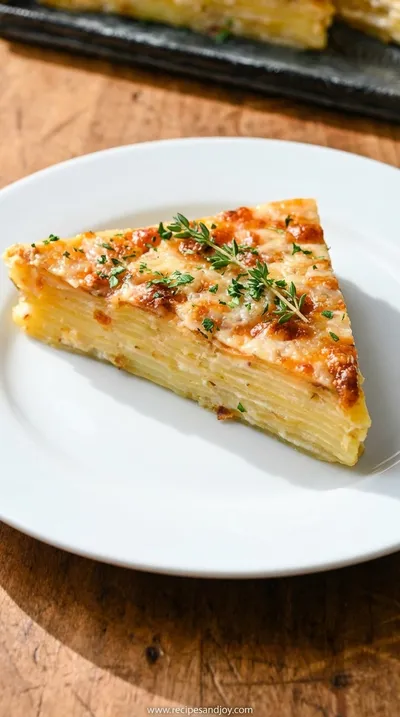
Cover the dish with aluminum foil and place it on a baking sheet to catch any potential drips. Bake for 45 minutes, then carefully remove the foil. The potatoes should be starting to get tender. Continue to bake, uncovered, for another 15-25 minutes, or until the top is deeply golden brown and bubbly and the potatoes are completely tender when pierced with a knife. Let it rest on a wire rack for at least 10-15 minutes before serving. This step is crucial, as it allows the sauce to set. Garnish with fresh thyme or chives if you wish, and serve warm.
Notes & Tips
-
1
The resting period is not optional! It’s essential for the dish to set up properly. If you cut into it straight from the oven, it will be runny. Patience will be rewarded with perfect, creamy slices.
-
2
For an extra layer of flavor, you can add a bay leaf to the cream while it's warming, just be sure to remove it before pouring over the potatoes.
-
3
If you find the top is browning too quickly before the potatoes are cooked through, just place the foil back on top for the remainder of the cooking time.
 Easy Everyday Dinners
Chicken Caesar Pasta Salad Recipe
Quick creamy chicken Caesar pasta salad, ideal for weeknight meals.
Tools You'll Need
-
Mandoline Slicer: While not strictly necessary, a mandoline is a game-changer for this recipe. It ensures every potato slice is perfectly uniform, which is the secret to even cooking. Please be careful and always use the hand guard!
-
2-Quart Baking Dish: A ceramic or glass gratin dish is perfect here. You want something relatively shallow to maximize that glorious golden-brown top. A 9x13 inch dish or a similar oval baker works beautifully.
-
Medium Saucepan: You'll need a saucepan to gently warm and infuse the cream. Nothing fancy, just a reliable pot that heats evenly without scorching the bottom.
Must-Know Tips
-
Embrace the Starch: Do not rinse your potato slices after cutting. The starch on the surface is a natural thickener and helps create that velvety, rich cream sauce. This is one time where starch is your best friend in the kitchen.
-
Warm the Cream: Infusing the cream with garlic and spices while gently warming it is a crucial step. It coaxes out all the flavor and helps the potatoes cook more evenly when it's poured over them.
-
The Garlic Rub: Don't skip rubbing the baking dish with a cut garlic clove. This simple, old-world technique imparts a foundational layer of flavor that you can't get just by adding garlic to the cream. It's subtle but so effective.
Professional Secrets
-
Choose the Right Potato: The type of potato really matters. A waxy, medium-starch potato like Yukon Gold will hold its shape beautifully, giving you distinct layers. A starchy Russet will give you a softer, fluffier result.
-
Low and Slow is the Way to Go: Rushing this dish with a super high oven temperature will cause the cream to break and the potatoes to cook unevenly. A moderate, steady heat allows the potatoes to slowly absorb the cream and become meltingly tender.
-
A Final Broil (with caution!): If your top isn't as golden as you'd like when the potatoes are tender, you can place it under the broiler for just a minute or two. Watch it like a hawk, as it can go from golden to burnt in seconds!

Recipe by
Isabella MooreFood makes every celebration brighter 🎉🍽️ Creating magical seasonal moments with delicious recipes ✨
Get Delicious Recipes Weekly
Join 25,000+ home cooks getting our best recipes straight to their inbox.
Free forever • No spam • Unsubscribe anytime