
I remember my grandmother's kitchen, a small, sunny room where the windows were always slightly steamed up on Sundays. She'd be standing over a giant, heavy pot, the one with the chipped enamel, slowly stirring a deep red sauce with a long wooden spoon. She never measured anything, not really. A glug of olive oil, a handful of onions, garlic chopped by feel. The whole day was set to the rhythm of that sauce. The gentle bubbling sound was the house's heartbeat. We'd sneak little tastes on pieces of bread, the sauce so hot it would burn your tongue, but so delicious you couldn't resist. That pot of sauce held all the stories of the week, all the love of our family, simmered down into something deeply comforting. It’s a tradition I’ve carried into my own kitchen, a way of connecting back to her and those slow, perfect Sundays.
Why You'll Love This Sauce
-
Deep, Rich Flavor: This isn't just tomato sauce; it's a slow-simmered, layered experience. The flavors of the aromatics, herbs, and tomatoes meld together over time, creating a taste that you just can't get from a jar. It’s complex, slightly sweet, and deeply savory.
-
Aroma of Home: The smell is, honestly, half the joy. As it simmers, your home will be filled with the most incredible, comforting aroma of garlic, herbs, and sweet tomatoes. It’s the kind of scent that makes everyone feel welcome and cared for.
-
Beautifully Simple: Don't let the simmer time fool you; the actual hands-on work is minimal. The ingredients are humble and easy to find, and the process is straightforward. It’s a recipe that invites you to relax and enjoy the process, not stress over complicated steps.
-
Endlessly Versatile: This sauce is the perfect foundation for so many meals. Of course, it's amazing on spaghetti, but you can use it for lasagna, chicken parmesan, as a dipping sauce for breadsticks, or even as a base for a hearty tomato carrot soup. It’s a true kitchen workhorse.
This sauce tastes like a hug in a bowl. It’s pure, delicious comfort, and my family asks for it every single week.
Essential Ingredient Guide
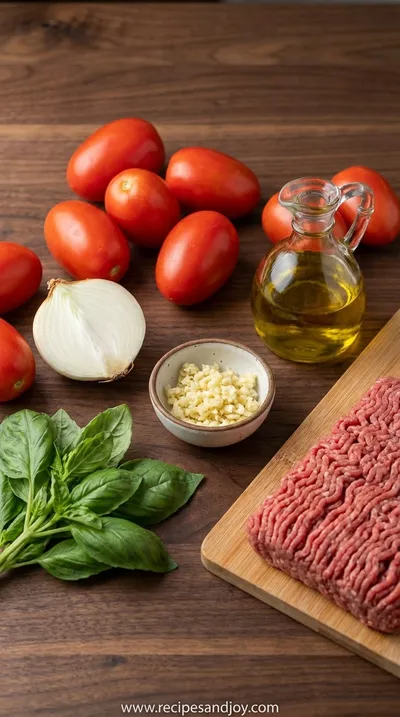
- Canned San Marzano Tomatoes: Okay, look, this is the one place I really encourage you not to skimp. San Marzano tomatoes are the heart and soul of a truly great sauce. They are less acidic, sweeter, and have a meatier, more tender texture than other varieties. Using whole, peeled tomatoes and crushing them yourself (by hand, it's so satisfying!) gives the sauce a beautiful, rustic consistency. They just melt down into something magical.
- Good Quality Olive Oil: You don't need the fanciest, most expensive finishing oil, but a good, flavorful extra-virgin olive oil for sweating the aromatics makes a world of difference. It lays down the first layer of flavor. You can taste the quality in the final product, a subtle fruitiness that underpins the whole sauce. It’s the quiet foundation that everything else is built upon.
- Fresh Basil: While dried herbs are essential for the long simmer, finishing the sauce with a handful of fresh, torn basil leaves is transformative. You add it right at the very end, off the heat. The warmth of the sauce wilts the leaves and releases their bright, sweet, peppery perfume. It adds a layer of freshness that just wakes everything up. Please don't skip this part; it's like a little burst of sunshine.

Complete Cooking Process
-
Building the Flavor Base:
This first stage is all about creating the aromatic foundation. It starts with gently heating the olive oil over a medium-low heat – you don't want it screaming hot. Then, you add the diced onion, carrot, and celery, the classic 'soffritto'. The key here is patience. You're not trying to brown them, but to soften them until they’re translucent and sweet, which can take a good 10 minutes. This slow cooking releases their sugars and builds a deep, savory base that jarred sauces just can't replicate. Once they're soft, the garlic goes in for just a minute until fragrant. It's a gentle, beautiful start.
-
The Long, Slow Simmer:
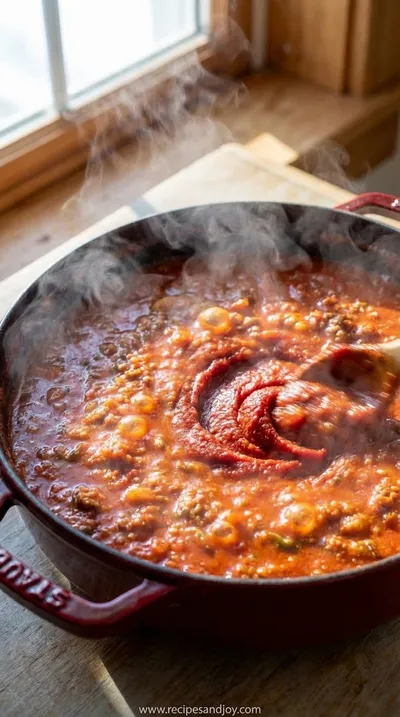
Now for the magic. After browning the ground beef and adding the tomatoes, herbs, and a touch of sugar, the real work begins, and it's mostly hands-off. You'll bring the sauce to a gentle bubble, then reduce the heat to the lowest possible setting where it still maintains a very slow 'plop, plop' simmer. Cover it partially, so steam can escape, which helps the sauce thicken and the flavors concentrate. For the next hour or two, you just let it be, stirring occasionally. The color will deepen from a bright red to a rich, burnished brick color. The texture will become velvety. This is where the sauce develops its soul.
-
Finishing and Resting:
The final touches are just as important as the first steps. After the long simmer, you'll taste and adjust the seasoning. It might need a little more salt or another pinch of sugar to balance the acidity of the tomatoes. Then, turn off the heat and stir in the fresh basil and a knob of butter. The butter, ugh, it's such a simple trick, but it adds a beautiful, subtle richness and a glossy finish to the sauce, making it cling to the pasta perfectly. I like to let the sauce sit for at least 15-20 minutes off the heat before serving. It allows the flavors to settle and meld even further. It’s worth the wait, I promise.
-
Don't be afraid to add a parmesan rind to the sauce as it simmers. It will impart a wonderful, savory, umami flavor. Just remember to fish it out before serving!
-
A small pinch of sugar doesn't make the sauce sweet; it balances the natural acidity of the tomatoes. Taste and adjust as you go.
-
For a smoother sauce, you can use an immersion blender to blitz it a few times, but I personally love the rustic, slightly chunky texture.
Pro Tips for Sauce Success
These little details truly elevate the sauce from good to unforgettable. They are the whispers of care that make it your own.
 Sweet Treats & Desserts
No-Bake Protein Energy Balls – Easy Healthy Snack
A simple, no‑bake bite of protein‑packed goodness you can carry anywhere.
Frequently Asked Questions
→ Can I use fresh tomatoes instead of canned?
You absolutely can, but it changes the process a bit. Canned tomatoes, especially San Marzanos, are picked at peak ripeness and processed to maintain a concentrated flavor that's perfect for sauces. If you use fresh tomatoes, you'll want to use a meaty variety like Roma or San Marzano. You'll need to blanch, peel, and seed them first, and you'll likely need to cook the sauce longer to cook off the extra water content and concentrate the flavor. It’s a beautiful thing to do in the summer when tomatoes are at their best!
→ My sauce tastes a little too acidic. How can I fix it?
This is a common issue! The easiest fix is to add a small pinch of sugar, about 1/4 to 1/2 teaspoon at a time, until the sharp acidic edge softens. Another wonderful trick is to add a very finely grated carrot along with the onions; its natural sweetness cooks down and balances the tomatoes beautifully. A small knob of butter stirred in at the end can also help mellow out the flavors and add a roundness that tames the acidity. Just taste and adjust slowly.
→ Can I make this sauce vegetarian or vegan?
Definitely! This recipe is incredibly easy to adapt. To make it vegetarian, simply omit the ground beef. You can add finely diced mushrooms (cremini or porcini are great) along with the onions to add a meaty, umami depth. For a vegan version, just skip the beef and use a good quality olive oil or vegan butter at the end instead of dairy butter. The base sauce is so flavorful on its own, it’s still incredibly satisfying. It reminds me of the simple base I use for my vegan carrot potato soup.
→ How long will this spaghetti sauce last, and can I freeze it?
This sauce stores beautifully! Let it cool completely, then transfer it to an airtight container and it will keep in the refrigerator for up to 5 days. And yes, it freezes perfectly, which is one of the best things about it. I almost always make a double batch for this reason. Pour the cooled sauce into freezer-safe containers or bags, leaving a little room for expansion. It will keep in the freezer for up to 3 months. To reheat, just let it thaw in the fridge overnight and gently warm it on the stove.
→ Why do you add carrot to the sauce?
Ah, the carrot is a little secret weapon in Italian cooking. It’s part of the traditional 'soffritto' along with onion and celery. The carrot provides a subtle, natural sweetness that cooks down into the sauce. This sweetness is crucial for balancing the natural acidity of the tomatoes without having to rely heavily on sugar. It also adds another layer of vegetal depth to the flavor profile. You won't explicitly taste 'carrot,' but you'll notice the sauce feels more balanced and well-rounded because of it.
→ Is it better to use dried or fresh herbs?
The honest answer is both! They serve different purposes. Dried herbs, like oregano and thyme, are best added during the long simmer. Their flavors are concentrated and woody, and they need time and heat to rehydrate and release their full potential into the sauce. Fresh herbs, especially basil, are more delicate. Their bright, aromatic oils are volatile and would be lost in a long cooking process. That's why we stir them in at the very end, off the heat, to preserve their fresh, vibrant flavor and aroma as a finishing touch.
→ Can I make this in a slow cooker?
Yes, a slow cooker is a fantastic way to achieve that long, slow simmer without having to watch the stovetop. You would still perform the initial steps on the stove: sautéing the soffritto, browning the meat, and blooming the garlic and tomato paste. Then, transfer everything to the slow cooker, add the tomatoes and other ingredients, and cook on low for 6-8 hours or on high for 3-4 hours. It’s a great way to come home to a house that smells absolutely divine. It’s as comforting as my favorite chickpea quinoa lemon soup.
Nutrition Facts
per serving
280
Calories
18g
Protein
18g
Carbs
15g
Fat
Taste Profile
Deeply savory and rich, with a natural sweetness from the tomatoes and carrots, balanced by savory herbs and beef.
Ingredient Substitutions
Don't have an ingredient? Try these alternatives
If using leaner ground poultry, you may need to add a little extra olive oil to the pot to ensure it doesn't dry out. Lamb will add a richer, more robust flavor.
While San Marzanos are preferred for their sweetness and low acidity, the most important thing is to use good quality tomatoes. If your sauce tastes a bit acidic with other tomatoes, you may need to add a little more sugar to balance it out.
Sweet onions will contribute a bit more sweetness, while shallots will provide a milder, more delicate garlic-onion flavor. Both are lovely substitutes.
Recipe Variations
Try these delicious twists on the original
Spicy Arrabbiata Style
For those who like a little heat, add 1/2 to 1 teaspoon of red pepper flakes along with the garlic. It adds a wonderful, warming spice that cuts through the richness of the sauce.
Vegetarian Mushroom Ragù
Omit the ground beef and instead, sauté 1 pound of finely chopped cremini mushrooms until they release their liquid and start to brown. Add a splash of soy sauce for extra umami. It creates a sauce with incredible depth and a satisfying 'meaty' texture.
Sausage and Peppers Version
Swap the ground beef for 1 pound of bulk beef sausage. Brown the sausage, then remove it from the pot. Sauté one sliced red bell pepper with the soffritto, then proceed with the recipe, adding the cooked sausage back in with the tomatoes.
Common Mistakes to Avoid
Learn from others' mistakes for perfect results
- Rushing the soffritto. Not cooking the onion, carrot, and celery long enough will result in a less flavorful, chunky sauce. Patience here is rewarded tenfold.
- Boiling instead of simmering. A hard boil can make the sauce separate and taste harsh. Keep the heat on the lowest setting for a gentle, happy simmer.
- Not tasting and adjusting seasoning at the end. The sauce changes as it cooks down. It almost always needs more salt at the end than you think.
- Forgetting to cook the tomato paste. This small step is crucial for developing a deep, rich tomato flavor and removing any raw, metallic taste from the paste.
Meal Prep & Storage
Make Ahead Tips
This sauce is an ideal make-ahead recipe; in fact, its flavor improves with time. You can prepare the entire sauce up to 3 days in advance and store it in an airtight container in the refrigerator. When you're ready to serve, just reheat it gently in a saucepan over low heat until it's warmed through. This makes it absolutely perfect for easy weeknight dinners or stress-free entertaining.
Leftover Ideas
Leftover sauce is a wonderful thing! Store it in an airtight container in the fridge for up to 5 days. You can reheat it for another pasta night, or get creative and use it as a base for other meals. Spoon it over baked potatoes, use it as a sauce for homemade pizza, or layer it in a lasagna. It's also fantastic in a meatball sub. It's a versatile leftover that keeps on giving, much like my favorite Vichyssoise.
Perfect Pairings
Serve this with...
Cooking Timeline
Prep all your vegetables. Gently cook the onion, carrot, and celery soffritto until very soft.
Brown the ground beef, then cook the tomato paste until darkened.
Add tomatoes, herbs, and liquid. Bring the sauce to a simmer.
Reduce heat to low and let the sauce simmer slowly, partially covered, stirring occasionally.
Turn off heat, remove bay leaves, stir in fresh basil and butter. Rest and serve.
 Sweet Treats & Desserts
Healthier Hot Chocolate Recipe
Learn how to make a delicious healthier hot chocolate that's perfect for a cozy warm beverage.
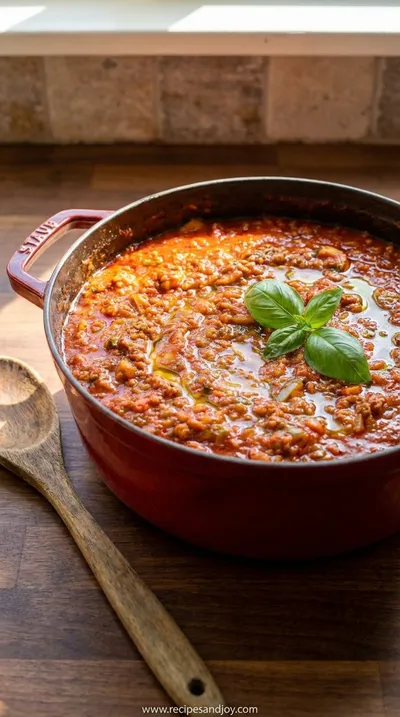
Spaghetti Sauce from Scratch: Easy Homemade Recipe
Learn how to make delicious spaghetti sauce from scratch with fresh ingredients. Perfect for pasta nights and family dinners.
Timing
Prep Time
20 Minutes
Cook Time
1 Hour 30 Minutes
Total Time
1 Hour 50 Minutes
Recipe Details
Ingredients
For the Sauce Base
-
01
2 tbsp extra-virgin olive oil
-
02
1 large yellow onion, finely diced
-
03
2 medium carrots, finely diced
-
04
2 celery stalks, finely diced
-
05
4 cloves garlic, minced
-
06
1 lb lean ground beef
-
07
1 (6 oz) can tomato paste
-
08
2 (28 oz) cans whole peeled San Marzano tomatoes
-
09
1 cup water or beef broth
-
10
1 tsp dried oregano
-
11
1/2 tsp dried thyme
-
12
2 bay leaves
-
13
1 tsp granulated sugar (optional, to taste)
-
14
Salt and freshly ground black pepper to taste
For Finishing
-
01
1/2 cup fresh basil leaves, torn
-
02
2 tbsp unsalted butter
Instructions
First, we build our foundation of flavor. In a large, heavy-bottomed pot or Dutch oven, warm the olive oil over medium heat. It should shimmer but not smoke. Add the finely diced onion, carrot, and celery. Let these cook slowly, stirring occasionally, for about 10-12 minutes. You're looking for them to become very soft, sweet, and translucent. This patient step, the soffritto, is so important for a deep, rich sauce. Once they're softened, add the minced garlic and cook for just another minute until you can smell its beautiful aroma. Don't let the garlic brown, or it will turn bitter.
Now, turn the heat up to medium-high and add the ground beef to the pot. Break it up with your spoon and cook until it's nicely browned all over, about 5-7 minutes. Once it's browned, push the meat to the side and add the tomato paste to the cleared space in the pot. Let the paste cook, stirring it constantly, for about two minutes. You'll see it darken to a rustic brick-red color. This step caramelizes the paste, removing its raw taste and adding an incredible depth of flavor. Then, you can stir everything together.
It’s time for the tomatoes. Pour the canned San Marzano tomatoes into the pot, juice and all. I love to crush them with my hands or the back of my wooden spoon right in the pot to get a nice, rustic texture. Stir in the water or broth, dried oregano, thyme, and the bay leaves. Season generously with salt and pepper, and add the sugar if you feel it needs it. Bring the mixture to a lively simmer over medium-high heat, then immediately reduce the heat to the lowest possible setting. You want just a few gentle bubbles breaking the surface.
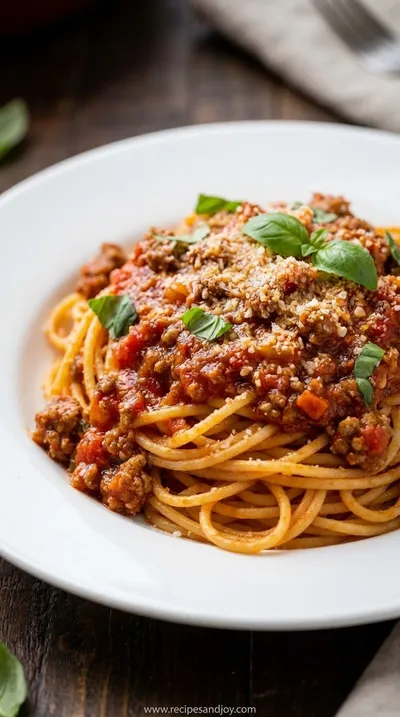
Let the sauce simmer gently, partially covered, for at least 1 hour, but honestly, 1.5 to 2 hours is even better. The longer it simmers, the more the flavors will meld and deepen. Stir it every 15-20 minutes to prevent it from sticking to the bottom. After simmering, remove the bay leaves. Taste the sauce and adjust your seasonings—it will probably need more salt. Turn off the heat. Stir in the torn fresh basil leaves and the unsalted butter until the butter has completely melted. Let it rest for 10 minutes before serving over your favorite pasta. It's also delicious as a starter, like a simple roasted garlic tomato soup.
Notes & Tips
-
1
This sauce tastes even better the next day. The flavors really have a chance to marry and settle overnight. I often make it a day ahead of when I plan to serve it. Just reheat it gently on the stove.
-
2
Feel free to add other ingredients to make it your own! Sliced mushrooms, a pinch of red pepper flakes for heat, or even some finely diced turkey ham can be added with the ground beef for extra layers of flavor.
-
3
The quality of your canned tomatoes really is the most important factor here. If you can't find San Marzano, look for another high-quality brand of whole peeled plum tomatoes. The difference in taste is noticeable and so worth it.
 Easy Everyday Dinners
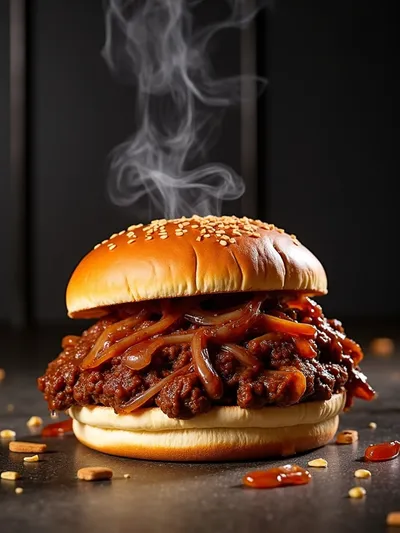
French Onion Beef Sloppy Joes – Easy Dinner
Hearty French onion beef sloppy joes with caramelized onions and a savory, sweet sauce.
Tools You'll Need
-
This is essential for even heat distribution, which prevents the sauce from scorching on the bottom during the long simmer. A Dutch oven is perfect because it holds heat so well.
-
A sturdy wooden spoon is my go-to for making sauce. It won't scratch the bottom of your pot and it feels so right for stirring something so traditional and rustic.
-
You'll be doing a bit of chopping for the soffritto, so a good, stable cutting board and a sharp knife make the prep work much more enjoyable and efficient.
-
A simple but necessary tool for getting into those beautiful cans of tomatoes that form the heart of our sauce.
Must-Know Tips
-
Cook the tomato paste. Don't just stir it in with the liquids. Sautéing it for a minute or two deepens its flavor and removes any raw, tinny taste. It's a small step that makes a huge difference.
-
Simmer low and slow. A rapid boil will make the sauce watery and can cause the flavors to taste sharp and unbalanced. The gentlest simmer, a lazy 'plop-plop,' is the key to a rich, velvety sauce.
-
Balance is key. Taste your sauce at the end of cooking and adjust. A pinch of sugar can balance acidity, a bit more salt can make the flavors pop, and a knob of butter can mellow everything out.
Professional Secrets
-
Use the whole vegetable. When making the soffritto (onion, carrot, celery), dice them very finely. This allows them to practically melt into the sauce, providing a flavor base without large chunks.
-
A parmesan rind adds magic. If you have a rind from a wedge of Parmesan cheese, toss it into the pot while the sauce simmers. It will release an incredible savory, umami flavor. Just remember to remove it before serving.
-
Let it rest. After you've finished cooking the sauce, let it sit off the heat for at least 15-20 minutes before tossing it with pasta. This allows the flavors to settle and deepen even further.

Recipe by
Isabella MooreFood makes every celebration brighter 🎉🍽️ Creating magical seasonal moments with delicious recipes ✨
Get Delicious Recipes Weekly
Join 25,000+ home cooks getting our best recipes straight to their inbox.
Free forever • No spam • Unsubscribe anytime