
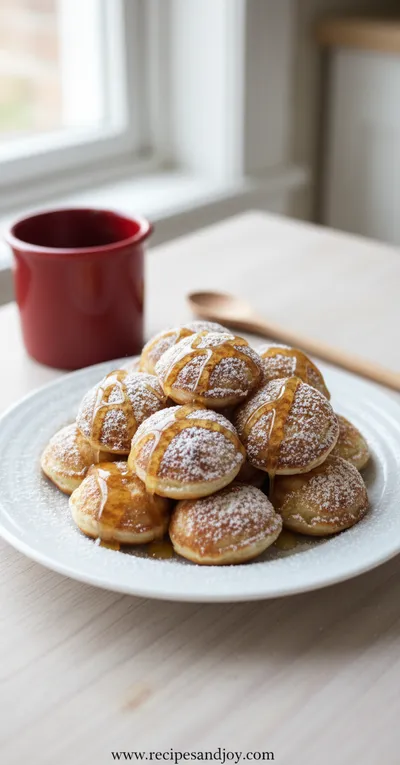
Poffertjes trace their origins to the 19th century Dutch communion tradition, where they were served as a special treat after church services. Their unique shape comes from the special cast-iron pan with shallow indentations, designed for cooking over an open fire. Traditionally made with buckwheat flour, they have evolved into the light, yeasted mini-pancakes beloved at fairs and family tables across the Netherlands today.
Why You'll Love It
-
Their incredibly light, fluffy texture is unlike any other pancake.
-
The yeasted batter gives them a delightful, subtle tang.
-
They cook quickly, perfect for feeding a hungry crowd.
-
Endlessly versatile – enjoy them sweet or with a savory twist.
"My kids call them 'tiny cloud pancakes'—they disappear from the plate in minutes!"
Essential Ingredient Guide
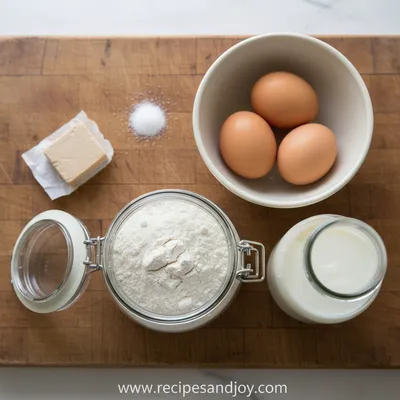
- All-purpose flour: The base of the batter; it provides the structure for those soft, airy poffertjes. I like to sift mine to avoid any lumps.
- Active dry yeast: This is the magic ingredient that makes them puff up and gives them that distinct, faintly bready flavor. Make sure your yeast is fresh for the best rise.
- Milk: Warmed slightly to activate the yeast. Whole milk gives the richest result, but any milk will work.
- Egg: Adds richness and helps bind the batter together. Room temperature is best for blending smoothly.
- Butter: Melted butter folded into the batter makes them tender, and more butter for frying gives them those crisp, golden edges.
- Powdered sugar: The classic finishing touch, a snowy dusting that melts into the warm, buttery surfaces.
 Sweet Treats & Desserts
Healthier Hot Chocolate Recipe
Learn how to make a delicious healthier hot chocolate that's perfect for a cozy warm beverage.
Complete Cooking Process
-
Ingredient Readiness:
The key is patience. The yeast needs warm milk to wake up, and the batter itself needs a good hour or so to proof and become bubbly and alive. Rushing this step means flat poffertjes, and we don't want that.
-
Flavor Development:
The flavor builds as the yeast works its magic during the proofing stage. That slow fermentation creates a subtle, complex taste that's more than just sweet—it's warm and comforting, like the best kind of comfort food.
-
Texture Control:
The heat of the pan is everything. Too hot, and they'll burn on the outside before cooking through. Too low, and they won't get that lovely golden color. You want a steady medium heat for a crisp shell and a fluffy, cooked interior.
-
Finishing Touches:
Serve them straight from the pan, while they're still warm and soft. A generous shower of powdered sugar and a extra dot of butter is the only adornment they need. It’s a simple pleasure, really, just like a good simple soup.
-
Serving Timing:
Poffertjes are best enjoyed immediately. They don't hold well, much like a delicate French onion soup with its perfect cheese topping. The steam rising from them is part of the experience.
-
Use a proper poffertjes pan if you can find one; it makes flipping so much easier.
-
Don't overfill the wells—a tablespoon of batter is usually plenty.
-
A knitting needle or a small, thin skewer is the perfect tool for the quick flip they need.
-
Keep finished batches warm in a low oven while you cook the rest.
Pro Tips
I’ve burned a few batches learning that temperature control is everything. You’ll know the pan is ready when a drop of water sizzles and evaporates quickly. And honestly, don't worry if your first few are a bit messy. It takes a minute to get the rhythm.
It's a forgiving recipe, much more so than a detailed chicken pot pie. The batter wants to become these lovely little puffs. Just give it the time and warmth it needs, and you'll be rewarded.
 Easy Everyday Dinners
Chicken Caesar Pasta Salad Recipe
Quick creamy chicken Caesar pasta salad, ideal for weeknight meals.
The essence of the dish:
Poffertjes are about simplicity and warmth. They're humble ingredients transformed into something special through a bit of patience and the right technique. The essence is in their texture—that contrast between the slight crispness of the outside and the cloud-soft, airy inside.
A fun fact or historical angle:
These mini-pancakes were originally made with buckwheat flour because it was a cheap, readily available grain for poorer families. The modern version with wheat flour became popular as a treat for special occasions and holidays.
Flavor or sensory focus:
The first thing you'll notice is the warm, yeasty aroma as they cook. Then, when you bite in, it's all about that tender, melt-in-your-mouth fluffiness, followed by the sweet kiss of powdered sugar. It’s a cozy feeling, perfect for a slow morning, just like enjoying a slow-cooked stew.
You Must Know
-
The batter MUST proof. Don't skip the resting time.
-
A non-stick poffertjes pan is your best friend here.
-
They cook very quickly—usually about 2 minutes per side.
-
Serve them immediately; they deflate and get gummy as they cool.
Frequently Asked Questions
→ Can I make the batter ahead of time?
You can mix the batter the night before and let it proof slowly in the refrigerator. Just bring it to room temperature for about 30 minutes before you start cooking.
→ I don't have a poffertjes pan. What can I use?
A regular non-stick skillet will work. Just drop tablespoons of batter onto the hot surface, leaving space between them. They'll be flatter, more like silver dollar pancakes, but still delicious.
→ Can I freeze cooked poffertjes?
Yes, but they're best fresh. Freeze them in a single layer on a baking sheet, then transfer to a bag. Reheat in a toaster or a warm oven to crisp them up again.
→ What's the best way to flip them?
A small, thin utensil is key. I use a knitting needle or a cocktail fork. Wait until the edges look dry and bubbly, then give them a quick, confident flip.
→ Can I make them vegan?
Absolutely. Use a plant-based milk, a flax egg, and vegan butter. The texture might be a tad different, but they'll still be lovely.
→ What other toppings can I use?
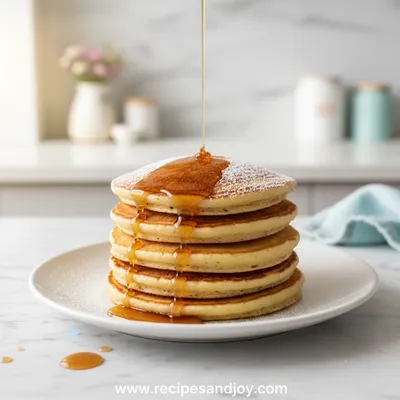
While powdered sugar is classic, try fresh berries, a dollop of whipped cream, or even a drizzle of chocolate or maple syrup for a different treat.
Nutrition Facts
per serving
280
Calories
8g
Protein
42g
Carbs
8g
Fat
Taste Profile
A softly sweet and yeasty flavor profile, warm and comforting.
Ingredient Substitutions
Don't have an ingredient? Try these alternatives
The richness may vary slightly, but the recipe will work.
For frying, any high-heat oil works. In the batter, vegan butter can be used 1:1.
Recipe Variations
Try these delicious twists on the original
Lemon & Blueberry
Add the zest of one lemon to the batter and drop a few fresh blueberries into each poffertje as it starts to cook.
Apple Cinnamon
Stir 1/2 cup of finely chopped apple and 1 tsp of cinnamon into the batter for a warm, autumnal twist.
Common Mistakes to Avoid
Learn from others' mistakes for perfect results
- Using milk that is too hot, which will kill the yeast.
- Not letting the batter proof long enough, resulting in dense poffertjes.
- Overfilling the wells in the pan, causing them to merge together.
- Flipping too early or too late—wait for bubbles and dry edges.
Meal Prep & Storage
Make Ahead Tips
The batter can be prepared the night before and stored, covered, in the refrigerator. Allow it to come to room temperature and give it a stir before using. The slow, cold fermentation can develop even more flavor.
Leftover Ideas
Reheat leftovers in a toaster, toaster oven, or a 350°F oven for a few minutes to re-crisp the exterior. They won't be as perfect as fresh, but they're still tasty.
Perfect Pairings
Serve this with...
Cooking Timeline
Activate the yeast in warm milk and sugar.
Mix the batter and set it aside to proof.
Batter proofs for 1 hour (this is mostly inactive time).
Heat the pan, grease the wells, and cook the poffertjes in batches.
Serve immediately and enjoy.
Poffertjes (Dutch Pancakes)
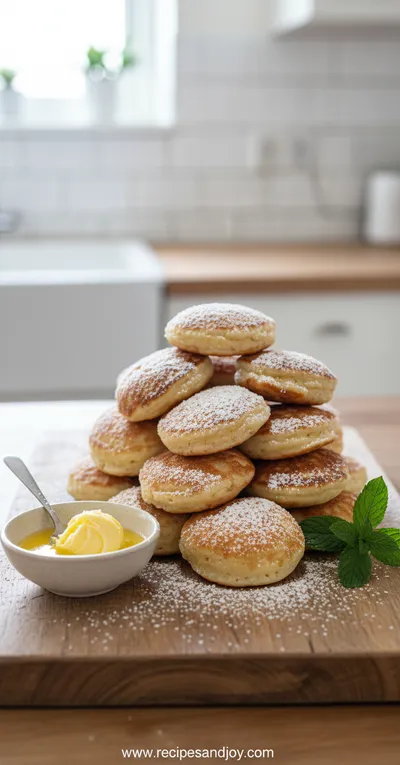
These traditional Dutch poffertjes are small, fluffy pancakes that rise like little pillows of comfort. Perfect for a slow weekend breakfast or a sweet dessert, they carry the warm scent of yeast and butter. I remember making these on cold mornings, watching them puff up in the special pan, each one a small joy.
Timing
Prep Time
15 Minutes
Cook Time
20 Minutes
Total Time
1 Hour 35 Minutes
Recipe Details
Ingredients
For the Batter
-
01
1 cup warm whole milk (about 110°F)
-
02
1 packet (2 1/4 tsp) active dry yeast
-
03
1 tbsp granulated sugar
-
04
1 cup all-purpose flour, sifted
-
05
1 large egg, room temperature
-
06
1/4 tsp salt
-
07
2 tbsp unsalted butter, melted
-
08
Butter or oil for greasing the pan
For Serving
-
01
Powdered sugar, for dusting
-
02
Additional melted butter
Instructions
In a small bowl, whisk together the warm milk, yeast, and sugar. Let it sit for about 5-10 minutes until it becomes foamy. This means your yeast is alive and ready to work.
In a larger mixing bowl, whisk together the sifted flour and salt. Make a well in the center and pour in the yeast mixture, the egg, and the melted butter. Whisk until you have a smooth, somewhat thin batter. It's okay if it has a few small lumps.
Cover the bowl with a clean kitchen towel or plastic wrap and place it in a warm, draft-free spot. Let it rise for about 1 hour, or until the batter is bubbly and has roughly doubled in volume.
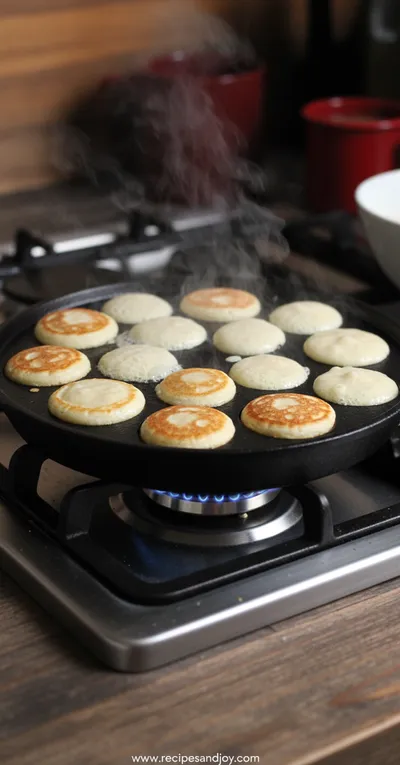
While the batter is proofing, get your poffertjes pan ready. If it's a new cast iron pan, make sure it's well seasoned. Heat the pan over medium heat. Once hot, grease each well generously with butter or a neutral oil.
Give the proofed batter a gentle stir to deflate it slightly. Using a small ladle or spoon, fill each well in the hot pan about 3/4 full with batter. Don't overfill, or they'll run together.
Cook for about 2 minutes, until the bottoms are golden brown and the tops are covered with bubbles and look dry around the edges. Using a thin skewer or knitting needle, quickly flip each poffertje. Cook for another 1-2 minutes until the second side is golden.
Remove the poffertjes from the pan and keep them warm on a plate tented with foil while you cook the remaining batter, re-greasing the wells as needed.
Serve immediately, piled high on a plate, with a generous dusting of powdered sugar and a pat of butter on top. Enjoy them warm, savoring each fluffy bite.
Notes & Tips
-
1
The proofing time is essential for the right texture. A warm spot (like an oven with the light on) helps.
-
2
If the batter is too thick after proofing, you can stir in a tablespoon or two of extra milk to thin it out.
-
3
Leftover batter can be covered and refrigerated for up to 24 hours. Let it come to room temperature before cooking.
Tools You'll Need
-
Poffertjes pan (highly recommended)
-
Large mixing bowl
-
Whisk
-
Measuring cups and spoons
-
Small ladle or spoon
-
Thin skewer, knitting needle, or fork for flipping
Must-Know Tips
-
Let the batter proof fully for the best fluffiness.
-
Grease the pan wells well between batches to prevent sticking.
-
Cook over a consistent medium heat for even browning.
-
Serve immediately for the ideal texture.
Professional Secrets
-
A well-seasoned cast iron poffertjes pan provides the most consistent heat and non-stick surface.
-
Letting the batter rest develops a more complex flavor, much like a good hearty stew.
-
A small, sudden flip is better than a hesitant one—commit to the turn.

Recipe by
Lily AndersonLife is sweeter with dessert 🍰💕 Baking joy, spreading smiles, and loving every sprinkle ✨
Get Delicious Recipes Weekly
Join 25,000+ home cooks getting our best recipes straight to their inbox.
Free forever • No spam • Unsubscribe anytime