
I remember my mom making stew on rainy Sundays. She never really used a recipe, just a little of this and a little of that. The whole house would fill with this incredible, deep, savory scent, and I’d just curl up on the sofa with a book, feeling so safe and cared for. This recipe is my attempt to capture that memory. That initial step of browning the beef is so important—it’s the foundation of flavor that she always insisted on. And then, everything goes into the slow cooker, and you can just walk away and let it do its thing. Hours later, you're rewarded with the most tender, fall-apart beef and perfectly cooked vegetables, all swimming in a broth that’s been developing its personality all day long. It's right up there with a classic French onion soup for pure, unadulterated comfort. It's a testament to how simple ingredients, given time and a little patience, can become something truly special.
Why You'll Adore This Stew
-
Effortless Comfort - Honestly, the slow cooker does almost all the work. After a quick bit of prep in the morning, you can go about your day while it transforms simple ingredients into something magical. It's the perfect 'set it and forget it' meal for busy days when you still crave a home-cooked dinner.
-
Incredibly Tender Beef - The magic of cooking low and slow is that it takes a humble cut like beef chuck and makes it unbelievably tender and juicy. The meat just falls apart with a fork, soaking up all the rich flavors of the broth. It's a texture that you just can't rush.
-
A Full Meal in One Pot - I mean, who doesn't love less cleanup? You've got your protein, your vegetables, your hearty potatoes—everything you need is right there in the slow cooker. It's a balanced, wholesome, and deeply satisfying meal all on its own.
-
Deep, Rich Flavor - Taking the time to brown the beef and sauté the aromatics first builds such an incredible depth of flavor. This isn't just a boiled stew; it's a layered, savory, herb-infused dish that tastes like it came from a cozy little bistro. It's a small step that makes a world of difference.
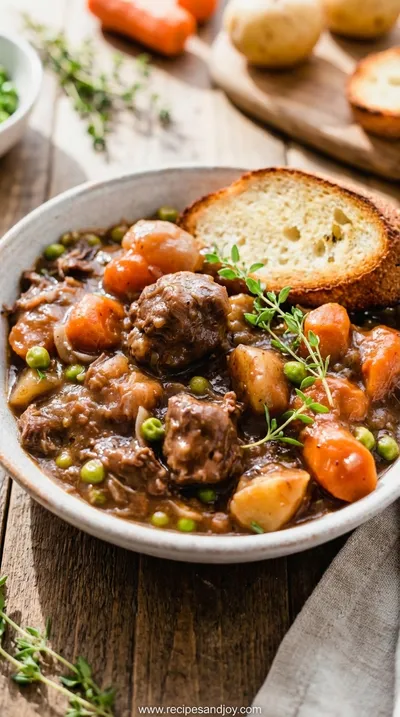
This stew tastes like a warm hug in a bowl. My family asks for it constantly.
Essential Ingredient Guide
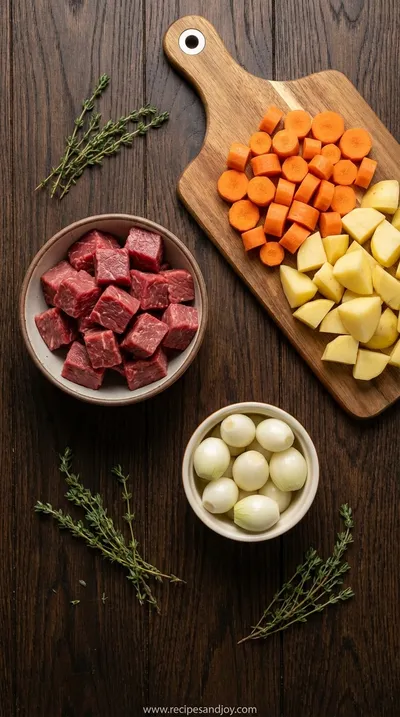
- Beef Chuck: Okay, look, this is the heart of the stew. Please don't be tempted by leaner cuts. Beef chuck has the perfect amount of marbling and connective tissue that breaks down over the long cooking time, becoming incredibly tender and adding so much body and flavor to the broth. Cut it into generous, 1.5-inch cubes so it doesn't fall apart completely. This is what makes the stew feel so luxurious.
- Yukon Gold Potatoes: I have a soft spot for Yukon Golds in stews. They're the perfect middle ground—waxy enough to hold their shape without turning to complete mush, but starchy enough to release some of that goodness and help thicken the stew naturally. They get so creamy and just melt in your mouth. You can use Russets, but they tend to fall apart more, which can also be nice if you like a thicker, more rustic texture.
- Worcestershire Sauce: This is my little secret weapon for umami. It adds this incredible, hard-to-place savory depth that just makes the whole stew taste more... well, more beefy! It has a tangy, fermented quality that brightens up the rich flavors and balances everything out. Don't skip it! It's that tiny detail that takes the flavor from good to, wow, what is in this?

Complete Cooking Process
-
The Foundational Sear:
The first and most crucial phase is building flavor. We start by patting the beef cubes completely dry—this is key for getting a beautiful brown crust. Then we toss them in a little seasoned flour. This not only helps with browning but will also gently thicken our stew later on. You'll heat some oil in a heavy-bottomed pan and sear the beef in batches. Please, don't crowd the pan! Give each piece space to sizzle and develop that gorgeous, dark brown crust. This isn't about cooking the beef through; it's about creating layers of deep, roasted flavor. This Maillard reaction is where the magic begins.
-
Building the Broth:
Once the beef is beautifully browned, we set it aside and use the same pan to build our flavor base. We'll soften the onions, carrots, and celery right in those beef drippings—oh, the smell is just incredible. Then we'll add the garlic and tomato paste, letting it cook for just a minute to deepen its flavor. The final step here is deglazing the pan with beef broth, scraping up all those treasured browned bits from the bottom. This is non-negotiable! You're lifting all that concentrated flavor right into your broth, which is the soul of the stew.
-
The Slow Simmer:
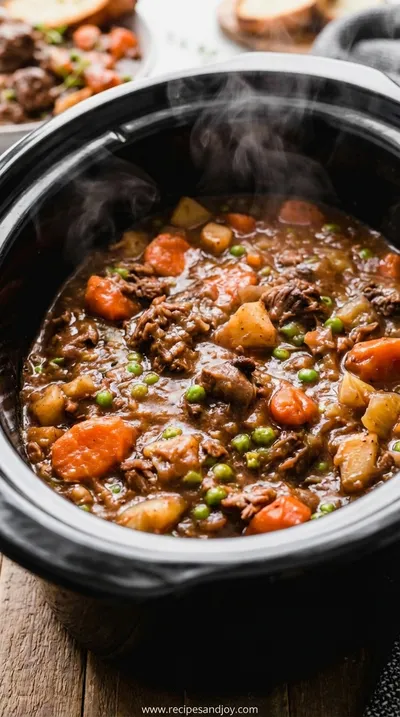
Now comes the easy part. Everything goes into the slow cooker. The seared beef, the sautéed vegetables, the potatoes, and the rich broth we just built. We'll tuck in a couple of bay leaves and a sprig of thyme, give it a gentle stir, and put the lid on. This is where you walk away. For the next 6 to 8 hours on low, the slow cooker will gently work its magic, coaxing all the flavors to meld together and breaking down the beef until it is fork-tender. The house will fill with the most comforting aroma, a little promise of the deliciousness to come.
-
Always sear your meat. I know it's an extra step, but it's the difference between a good stew and a great one.
-
Use a low-sodium beef broth so you can control the saltiness of the final dish yourself.
-
If you have the time, make it a day ahead. Like many stews and soups, the flavor gets even deeper and more complex after a night in the fridge.
Pro Tips for a Perfect Stew
These little details really elevate the final dish from a simple weeknight meal to something truly special and memorable.
 Sweet Treats & Desserts
No-Bake Protein Energy Balls – Easy Healthy Snack
A simple, no‑bake bite of protein‑packed goodness you can carry anywhere.
Frequently Asked Questions
→ Can I use a different cut of beef?
Yes, you absolutely can, but it's important to choose the right kind. You're looking for tougher cuts with lots of connective tissue, which is what breaks down into that lovely, tender texture. Besides beef chuck, you could use a bottom round roast or even beef brisket. I'd stay away from leaner cuts like sirloin, as they tend to dry out and become tough during the long cooking process. Trust me, chuck roast is really the gold standard for a reason here!
→ My beef came out tough. What did I do wrong?
Ugh, that is the most disappointing feeling, isn't it? There are usually two culprits. First, you might not have cooked it long enough. Connective tissue needs a lot of time at a low temperature to break down. If you check it and it's still tough, it probably just needs more time. Just put the lid back on and let it go for another hour or two. The second possibility is that you cooked it on high. While you can, I find that the low and slow method yields a much more tender result every single time.
→ Can I add other vegetables to the stew?
Of course! This recipe is a wonderful canvas for creativity. You could add mushrooms, parsnips, turnips, or even sweet potatoes. Just be mindful of cooking times. I'd add heartier root vegetables like parsnips at the beginning with the potatoes. For something softer like mushrooms or peas, stir them in during the last 30 minutes of cooking so they don't get overcooked and mushy. It’s a great way to clean out the veggie drawer.
→ How can I make the stew thicker?
The flour on the beef and the starch from the potatoes should thicken it nicely, but if you prefer a really thick, gravy-like consistency, it's super easy to adjust at the end. Just ladle about a cup of the hot broth into a small bowl. Whisk in a tablespoon or two of cornstarch until it's completely smooth—no lumps! Then, stir that mixture back into the slow cooker. Turn the heat to high for the last 15-20 minutes, and it will thicken up beautifully.
→ Can I freeze this beef stew?
Yes, this stew freezes beautifully, which makes it perfect for meal planning. Let it cool completely first, then transfer it to freezer-safe containers or bags. It will keep well for up to 3 months. The only thing to note is that sometimes the potatoes can change texture a little upon thawing, becoming slightly grainy. It doesn't bother me, but it's something to be aware of. To reheat, just thaw it overnight in the fridge and gently warm it on the stovetop.
→ Is this recipe similar to a chicken stew?
The method is quite similar to my favorite chicken stew recipe, in that it's all about low and slow cooking to build flavor. However, the taste is profoundly different. Beef stew has a much deeper, richer, and more savory flavor profile from the red meat and beef broth. A chicken stew is often a bit lighter and more delicate. They are both wonderful comfort foods, just offering different kinds of cozy experiences.
→ Can I make this recipe vegan?
While this specific recipe is built around the beef, you can definitely create a beautiful plant-based version. For a similar hearty texture, I'd recommend using large chunks of cremini mushrooms and extra root vegetables. You can find inspiration in this wonderful old-fashioned vegan stew. The key is to use a very flavorful vegetable broth and add umami-rich ingredients like soy sauce and miso paste to replicate the depth.
Nutrition Facts
per serving
485
Calories
40g
Protein
30g
Carbs
22g
Fat
Taste Profile
Deeply savory and rich, with a subtle sweetness from the carrots and a complex, beefy flavor.
Ingredient Substitutions
Don't have an ingredient? Try these alternatives
For a different but equally rich flavor, you can substitute the beef with lamb shoulder, cut into cubes. The cooking time will be similar. It creates a delicious, rustic lamb stew.
For a touch more sweetness and a different nutritional profile, you can use cubed sweet potatoes. They cook slightly faster, so they might be a bit softer, but the flavor combination is wonderful.
Recipe Variations
Try these delicious twists on the original
Mushroom and Herb Variation
For an earthier flavor, add 8 ounces of sliced cremini mushrooms to the pot when you sauté the onions. You can also stir in a tablespoon of fresh rosemary along with the thyme for a more pronounced herbal note.
Lighter Soup Alternatives
If you love the comfort of a warm bowl but want something different, you might enjoy a bright chickpea quinoa soup or a simple, classic lentil soup. They offer a different kind of coziness.
Common Mistakes to Avoid
Learn from others' mistakes for perfect results
- Skipping the sear: This is the number one mistake. Searing creates the Maillard reaction, which is responsible for the deep, complex, savory flavor of a great stew.
- Overcrowding the pan: When searing the beef, doing it in batches is crucial. Overcrowding will steam the meat instead of browning it, and you'll miss out on all that flavor.
- Cooking on high: While it's faster, cooking beef stew on high can result in tougher meat. The low-and-slow method is gentler and gives the connective tissues more time to break down properly.
- Adding all vegetables at once: If you were to add delicate vegetables like peas or spinach at the beginning, they would turn to mush. Always add them in the last few minutes of cooking.
Meal Prep & Storage
Make Ahead Tips
This recipe is perfect for making ahead. In fact, the flavors deepen and improve overnight. You can prepare and cook the entire stew up to 2 days in advance. Let it cool completely and store it in an airtight container in the refrigerator. Reheat gently on the stovetop over medium-low heat until warmed through.
Leftover Ideas
Leftover beef stew is fantastic. You can enjoy it as is for lunch the next day, or get creative. Serve it over toasted bread for a sort of open-faced sandwich, or use it as a filling for a savory pot pie by topping it with a puff pastry or biscuit crust and baking until golden. It’s too delicious to let any go to waste.
Perfect Pairings
Serve this with...
Cooking Timeline
Prep all ingredients: cube beef, chop onions, carrots, celery, and potatoes. Mince garlic.
Toss beef in seasoned flour and sear in batches until deeply browned on all sides.
Sauté the aromatics (onion, carrot, celery, garlic) and deglaze the pan with beef broth.
Combine everything in the slow cooker. Cover and cook on low for 6-8 hours.
Remove bay leaves, season to taste, and serve hot with fresh parsley.
 Sweet Treats & Desserts
Healthier Hot Chocolate Recipe
Learn how to make a delicious healthier hot chocolate that's perfect for a cozy warm beverage.
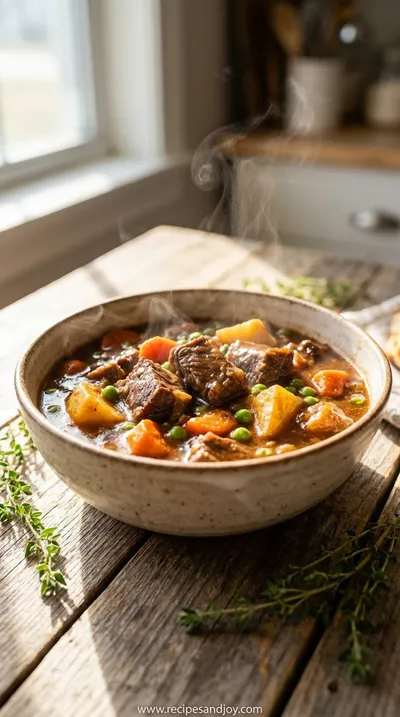
Slow Cooker Beef Stew: Hearty Family Dinner Recipe
Make the best slow cooker beef stew with tender beef, garlic, herbs, potatoes and carrots.
Timing
Prep Time
25 Minutes
Cook Time
6-8 Hours
Total Time
Approx. 7 Hours
Recipe Details
Ingredients
For the Stew
-
01
2.5 lbs beef chuck, cut into 1.5-inch cubes
-
02
1/4 cup all-purpose flour
-
03
1 tsp salt
-
04
1/2 tsp black pepper
-
05
2 tbsp olive oil
-
06
1 large yellow onion, chopped
-
07
3 carrots, peeled and sliced into thick rounds
-
08
2 celery stalks, chopped
-
09
4 cloves garlic, minced
-
10
1 tbsp tomato paste
-
11
4 cups low-sodium beef broth
-
12
1 tbsp Worcestershire sauce
-
13
1 tsp dried thyme
-
14
2 bay leaves
-
15
1.5 lbs Yukon Gold potatoes, cut into 1-inch chunks
-
16
1 cup frozen peas (optional, added at the end)
For Garnish
-
01
Fresh parsley, chopped
Instructions
First, let's get our beef ready. Pat the beef cubes completely dry with a paper towel; this is so important for getting a good sear. In a bowl, whisk together the flour, salt, and pepper. Add the beef cubes and toss them gently until they're all lightly coated. This little flour jacket is going to create a beautiful crust and help thicken our stew later. It's a small step that feels a bit fussy, but honestly, it makes such a difference to the final texture.
Now for the flavor foundation. Heat the olive oil in a large, heavy-bottomed skillet or Dutch oven over medium-high heat. Carefully place half of the beef cubes in the pan, making sure not to overcrowd them. Let them sear, undisturbed, for about 3-4 minutes per side, until a deep, brown crust forms. Transfer the browned beef to your slow cooker. Repeat with the remaining beef. This isn't just about cooking; it’s about building those deep, savory notes that will permeate the whole dish. It's a process that fills the kitchen with the most amazing smell.
Don't wash that pan! Reduce the heat to medium and add the chopped onion, carrots, and celery. Sauté them for about 5-7 minutes, until they've softened and the onion is translucent, scraping up any browned bits from the beef. Stir in the minced garlic and tomato paste and cook for just one more minute until fragrant. Pour in about a cup of the beef broth to deglaze the pan, using a wooden spoon to scrape every last bit of flavor from the bottom. Pour this entire mixture into the slow cooker. This technique is similar to how you’d start a rich soup, like my cauliflower potato soup, where every layer of flavor counts.
Finally, add the potatoes, the remaining beef broth, Worcestershire sauce, thyme, and bay leaves to the slow cooker with the beef and vegetable mixture. Give everything a gentle stir to combine. Cover and cook on low for 6-8 hours or on high for 3-4 hours. I really recommend the low setting if you have the time; it makes the beef so much more tender. About 15 minutes before serving, remove the bay leaves. If you're using peas, stir them in now. Have a taste and adjust the seasoning with more salt and pepper if needed. It's one of my favorite dishes for simple family cooking because it’s so hands-off at this point.
Notes & Tips
-
1
The browning step is truly worth the extra 15 minutes of effort. It creates a depth of flavor through the Maillard reaction that you simply cannot achieve by just putting the raw meat into the slow cooker. It's the secret to a stew that tastes like it has been simmering for days.
-
2
If your stew isn't as thick as you'd like at the end of the cooking time, you can make a simple cornstarch slurry. Just mix 1 tablespoon of cornstarch with 2 tablespoons of cold water, then stir it into the stew. Turn the slow cooker to high and let it cook for another 15 minutes to thicken up.
-
3
This stew is incredibly forgiving and adaptable. Feel free to add other root vegetables like parsnips or turnips along with the potatoes. A cup of mushrooms added in the last hour of cooking is also a wonderful addition that adds another layer of earthy flavor.
 Easy Everyday Dinners
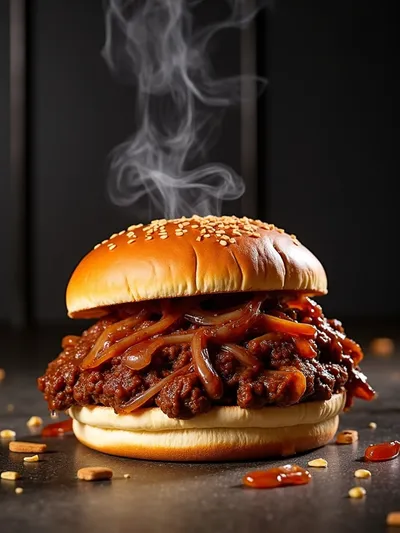
French Onion Beef Sloppy Joes – Easy Dinner
Hearty French onion beef sloppy joes with caramelized onions and a savory, sweet sauce.
Tools You'll Need
-
6-Quart Slow Cooker: This is the hero of the recipe, allowing for the low-and-slow cooking that makes the beef incredibly tender. A 6-quart model is a great size for this recipe, giving all the ingredients enough room to mingle.
-
Large Skillet: A heavy-bottomed skillet or Dutch oven is essential for searing the beef and sautéing the vegetables. Cast iron is fantastic for retaining heat and creating an even, deep brown crust on the meat.
-
Cutting Board and Sharp Knife: A sturdy cutting board and a sharp chef's knife will make all the prep work of chopping the vegetables and cubing the beef much safer and more enjoyable. Good tools make the process feel so much calmer.
-
Wooden Spoon: A simple wooden spoon is my go-to for sautéing and, most importantly, for scraping up all those delicious browned bits from the bottom of the pan when you deglaze. It won't scratch your cookware and it feels so classic to use.

Recipe by
Isabella MooreFood makes every celebration brighter 🎉🍽️ Creating magical seasonal moments with delicious recipes ✨
Get Delicious Recipes Weekly
Join 25,000+ home cooks getting our best recipes straight to their inbox.
Free forever • No spam • Unsubscribe anytime