
I remember my mother having a pot of something similar bubbling away on the stove on chilly Sundays. The windows would be all steamed up, and the sound of the gentle simmer was the backdrop to our weekend. This isn't her exact recipe—it's changed a bit over the years as I've made it my own—but the feeling is the same. It’s a taste of home, a connection to those slow, comfortable days. It reminds me of how my grandmother would make her old-fashioned spaghetti, with so much love and patience stirred right in. I try to channel that same energy when I make this ragu.
There was this one time I decided to make it for friends we had over. It was a drizzly, gray day, and I just knew this was the right thing to cook. As the sauce simmered, the whole atmosphere in the house shifted. It became warmer, cozier, and everyone just gravitated toward the kitchen, drawn in by the aroma. By the time we sat down to eat, the conversation was flowing, and the table was filled with laughter. That’s the power of a dish like this; it does more than feed you, it brings people together and creates these small, perfect moments. I love browsing all the different recipes out there, but I always come back to ones like this.
Why You'll Absolutely Adore This Ragu
-
Deep, Rich Flavor: Slow simmering is the secret here. It allows all the ingredients—the beef, the aromatics, the tomatoes—to meld together into something truly special. The flavor becomes so complex and satisfying, it's a taste that stays with you long after the meal is over.
-
Incredibly Tender Beef: The low-and-slow cooking method transforms a humble cut of beef into something extraordinary. It becomes fall-apart tender, shredding beautifully into the sauce so you get that perfect texture in every single bite. Honestly, it just melts in your mouth.
-
A Hug in a Bowl: This is the ultimate comfort food. It's warm, hearty, and deeply nourishing for the soul. It's the kind of meal that makes you feel cared for and content, perfect for a chilly evening or whenever you need a little pick-me-up. It's right up there with our family's love for cheeseburger soup.
-
Feeds a Crowd (or makes great leftovers): This recipe makes a generous amount of sauce, which is fantastic for a family dinner or for having friends over. And the leftovers? Wow. They're even better the next day as the flavors have more time to mingle and deepen. It’s truly the gift that keeps on giving.
This is pure comfort in a bowl. The beef is so tender, and the sauce has such a beautiful, deep flavor. My family absolutely devoured it!
Essential Ingredient Guide
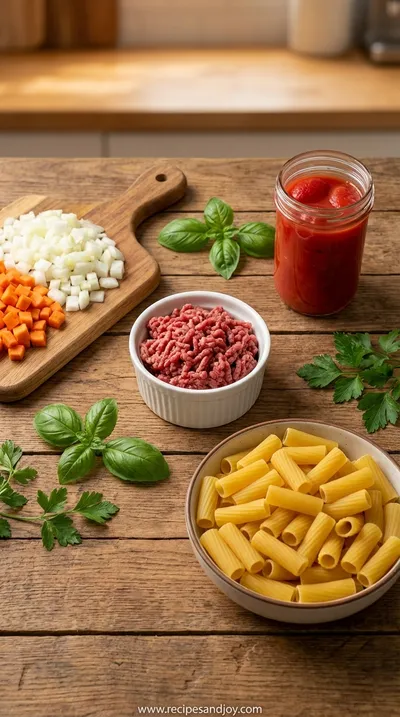
- Beef Chuck Roast: Please, don't just use ground beef for this! A chuck roast is my absolute favorite for ragu. It has just the right amount of fat and connective tissue, which breaks down during the long simmer, making the beef incredibly tender and adding so much body and richness to the sauce. Look for a piece with nice marbling. You'll be cutting it into cubes, so don't worry about finding the 'perfect' shape at the store.
- Canned San Marzano Tomatoes: Honestly, the quality of your tomatoes makes a huge difference in a sauce like this. San Marzano tomatoes are a game-changer. They are naturally sweeter, less acidic, and have a more robust, concentrated tomato flavor. I prefer using whole, peeled tomatoes and crushing them myself by hand—it gives the sauce a lovely, rustic texture. It’s a small step that adds a lot of character.
- Fresh Herbs (Thyme & Rosemary): While dried herbs are fine in a pinch, fresh herbs bring a beautiful, aromatic quality that really elevates the sauce. A few sprigs of fresh thyme and a sprig of rosemary add a subtle, earthy, almost woodsy note that complements the rich beef and sweet tomatoes perfectly. Just remember to pull the woody stems out before you serve. It's these little details that make the dish feel so special.
Complete Cooking Process
-
Searing the Beef and Building the Flavor Base:
The first step is all about building layers of flavor, and it starts with the beef. After you’ve patted your beef cubes completely dry—this is so important for getting a good sear—you'll brown them in a hot Dutch oven. Don't rush this part! Let them get a deep, golden-brown crust on all sides. That crust is pure flavor. Once the beef is browned, you'll set it aside and use the same pot to sauté your soffritto: the finely diced onion, carrots, and celery. This aromatic vegetable base is the heart of so many wonderful Italian sauces.
-
Creating and Simmering the Sauce:
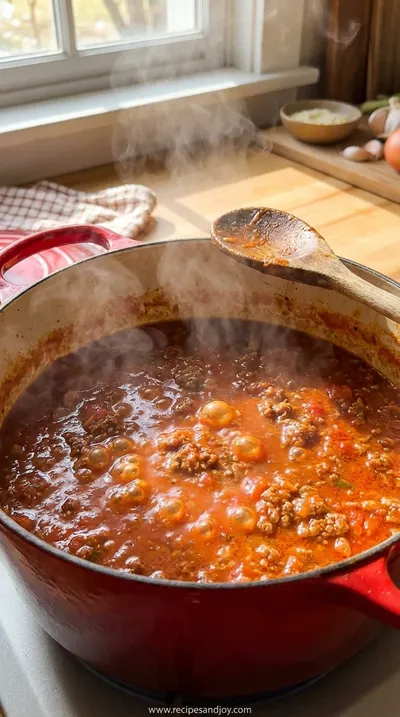
Once your vegetables are softened and fragrant, you'll stir in the garlic and tomato paste, letting it cook for a minute to deepen its flavor. Then comes the magic. You'll add your crushed tomatoes, beef broth, and those lovely fresh herbs, stirring everything together. Nestle the seared beef back into the pot, bring it all to a gentle bubble, and then turn the heat way down. This is where patience comes in. You'll let it simmer slowly, covered, for at least two hours. The longer it goes, the more tender the beef and the richer the sauce will become.
-
Finishing and Serving:
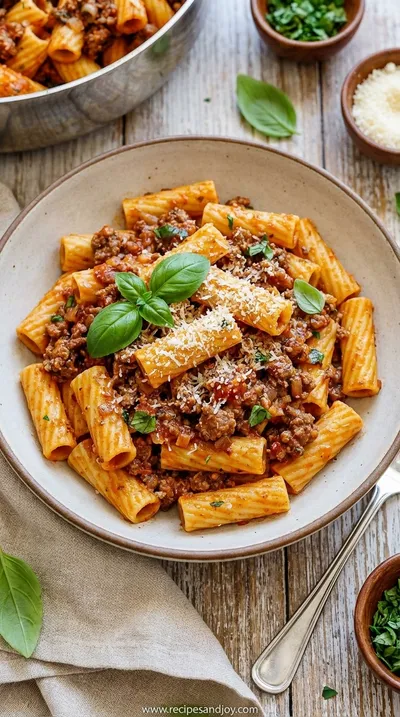
After a long, slow simmer, your kitchen will smell absolutely incredible. At this point, the beef should be so tender you can easily shred it with two forks right in the pot. I love this part—watching the chunks of meat transform and melt back into the sauce. You'll cook your favorite pasta, and just before it's perfectly al dente, you'll scoop it directly into the ragu. Tossing it all together with a splash of the starchy pasta water helps the sauce cling beautifully to every single noodle. Serve it up hot with a generous grating of fresh Parmesan cheese and maybe some fresh basil.
 Sweet Treats & Desserts
Healthier Hot Chocolate Recipe
Learn how to make a delicious healthier hot chocolate that's perfect for a cozy warm beverage.
Frequently Asked Questions
→ What's the best cut of beef to use for ragu?
I almost always reach for a beef chuck roast. It has fantastic marbling and connective tissue that breaks down over a long cooking time, resulting in incredibly tender, flavorful meat that shreds beautifully. Other great options are boneless short ribs or beef brisket. You want a tougher, well-used muscle cut, as these have the most flavor and become the most tender with slow cooking. I would avoid leaner cuts like sirloin or tenderloin, as they can become dry and tough in a braise.
→ Can I make this beef ragu in a slow cooker or Instant Pot?
Absolutely! For a slow cooker, you would still want to sear the beef and sauté the vegetables on the stovetop first for maximum flavor. Then, transfer everything to the slow cooker and cook on low for 6-8 hours or on high for 4-5 hours. For an Instant Pot, use the sauté function to brown the beef and cook the aromatics. Then, add the remaining ingredients, seal the lid, and cook on high pressure for about 45-50 minutes, followed by a natural pressure release. Both methods work beautifully.
→ What kind of pasta should I serve with this ragu?
This rich, hearty sauce pairs best with a substantial pasta that can hold its own. Wide, flat noodles like pappardelle or tagliatelle are the classic choice, as the ribbons are perfect for catching all the shredded beef and thick sauce. Tube shapes with ridges, like rigatoni or penne rigate, are also excellent because the sauce gets trapped inside. Honestly, though, any pasta you love will work, even a simple garlic spaghetti would be delicious with a scoop on top.
→ Can I add other vegetables to the sauce?
Of course! This recipe is very forgiving and easy to adapt. Finely chopped mushrooms, added with the soffritto, can add a wonderful earthy depth. Some people like to add a bit of finely diced red bell pepper as well. If you want to stir in some greens, I'd recommend adding something sturdy like chopped kale or spinach in the last 15-20 minutes of cooking, just long enough for it to wilt down into the sauce. It's a great way to add some extra nutrients.
→ What is the difference between a ragu and a bolognese?
That's a great question! It can be a bit confusing. Generally, 'ragu' is a broad term in Italian cooking for a meat-based sauce that's been slow-cooked for a long time. So, this beef ragu fits that description perfectly. 'Bolognese' is a specific type of ragu from the city of Bologna. A traditional Bolognese is often made with a mix of ground meats (like beef and lamb), a small amount of tomato, and often includes milk or cream for richness, which is different from this more tomato-forward sauce. For another take on pasta sauce you might enjoy this creamy pasta.
Nutrition Facts
per serving
580
Calories
42g
Protein
45g
Carbs
25g
Fat
Taste Profile
Deeply savory and rich with a natural sweetness from carrots and tomatoes.
Ingredient Substitutions
Don't have an ingredient? Try these alternatives
Boneless short ribs will yield an equally unctuous and tender result. Lamb shoulder is also a fantastic substitute for a slightly different, but equally delicious, flavor profile. Adjust simmering time as needed to reach fall-apart tenderness.
For a gluten-free and incredibly comforting alternative, serve this ragu over a bed of soft, creamy polenta. Potato gnocchi is another wonderful option that pairs beautifully with the rich, meaty sauce.
Recipe Variations
Try these delicious twists on the original
Spicy Arrabbiata-Style Ragu
For those who enjoy a bit of heat, add 1/2 to 1 teaspoon of red pepper flakes along with the garlic. This will give the sauce a gentle, warming spice that beautifully complements the rich beef.
Mushroom and Beef Ragu
To add another layer of earthy flavor, sauté 8 ounces of sliced cremini or porcini mushrooms after you sear the beef and before you add the soffritto. Cook them until they are nicely browned and have released their liquid.
Common Mistakes to Avoid
Learn from others' mistakes for perfect results
- Rushing the Sear: Not getting a deep, dark brown crust on the beef means you're leaving a massive amount of flavor behind. Be patient and let the meat brown properly.
- Boiling Instead of Simmering: A vigorous boil can make the meat tough and stringy. The key to tender beef is a very low, gentle simmer over a long period.
- Not Cooking the Soffritto Long Enough: The base of onion, carrot, and celery needs time to soften completely and release its sweet, aromatic flavors. Don't rush this step!
- Forgetting to Season in Layers: Season the beef before searing, season the sauce as it simmers, and taste and adjust at the end. Building seasoning in layers results in a much more complex final flavor.
Meal Prep & Storage
Make Ahead Tips
This sauce is an ideal make-ahead meal. You can prepare the entire ragu up to 3 days in advance and store it in an airtight container in the refrigerator. The flavors will actually become richer and more developed overnight. Simply reheat it gently on the stovetop before tossing with freshly cooked pasta.
Leftover Ideas
Leftover ragu is a true delight! Store it in an airtight container in the fridge for up to 4 days. Reheat gently on the stovetop, adding a splash of water or broth if it has thickened too much. It's wonderful served over pasta again, but also amazing as a filling for sloppy joes on brioche buns or served over creamy polenta.
Perfect Pairings
Serve this with...
Cooking Timeline
Prep all ingredients: cube beef, dice vegetables, mince garlic.
Sear the beef in batches until deeply browned on all sides.
Sauté the soffritto until soft, then toast the garlic and tomato paste.
Deglaze with broth, add tomatoes and herbs, and return the beef to the pot. Bring to a simmer.
Cover and simmer on low heat, allowing the beef to become incredibly tender.
Cook pasta, shred the beef in the sauce, and toss everything together to serve.
 Easy Everyday Dinners
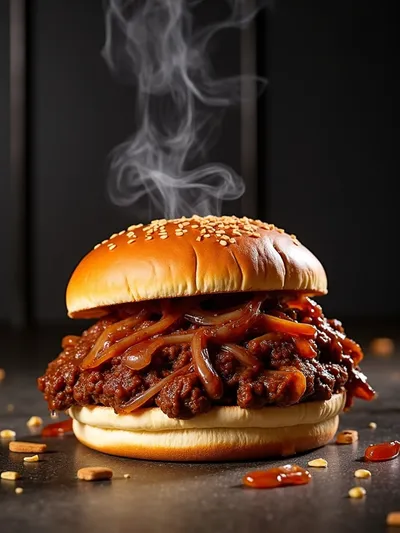
French Onion Beef Sloppy Joes – Easy Dinner
Hearty French onion beef sloppy joes with caramelized onions and a savory, sweet sauce.
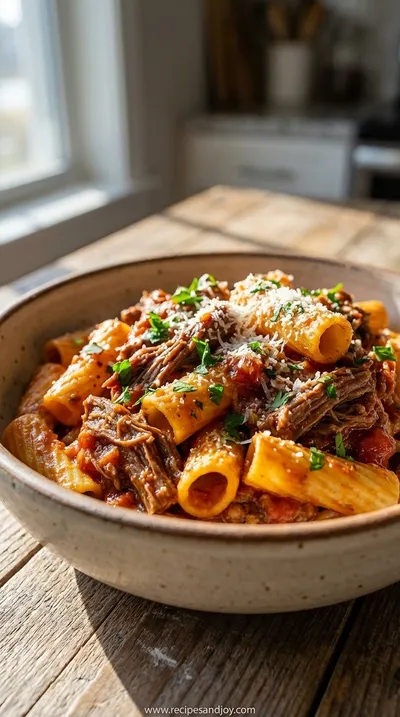
Beef Ragu Pasta Recipe in Tomato Sauce - Easy Dinner
Tender beef simmered in a rich, slow-cooked tomato sauce, perfect for a comforting family pasta night.
Timing
Prep Time
20 Minutes
Cook Time
2 Hours 30 Minutes
Total Time
2 Hours 50 Minutes
Recipe Details
Ingredients
For the Beef Ragu
-
01
2.5 lbs beef chuck roast, cut into 1.5-inch cubes
-
02
2 tbsp olive oil
-
03
1 large yellow onion, finely diced
-
04
2 medium carrots, finely diced
-
05
2 celery stalks, finely diced
-
06
4 cloves garlic, minced
-
07
2 tbsp tomato paste
-
08
1 (28-ounce) can San Marzano crushed or whole peeled tomatoes
-
09
1.5 cups low-sodium beef broth
-
10
2 sprigs fresh rosemary
-
11
4 sprigs fresh thyme
-
12
1 bay leaf
-
13
1 tsp salt, plus more to taste
-
14
1/2 tsp black pepper, plus more to taste
For Serving
-
01
1 lb pappardelle, tagliatelle, or rigatoni pasta
-
02
Freshly grated Parmesan cheese
-
03
Fresh basil or parsley, chopped
Instructions
First things first, let's get the beef ready. Take your beef cubes and pat them completely dry with paper towels. This is my secret to getting a really beautiful, deep brown sear, which is where so much flavor comes from. Season them generously all over with salt and pepper. Now, heat the olive oil in a large Dutch oven or heavy-bottomed pot over medium-high heat. You'll know it's ready when the oil shimmers slightly. Carefully place the beef cubes in the pot in a single layer, making sure not to overcrowd it. You may need to do this in two batches. Let them sear, undisturbed, for about 3-4 minutes per side, until a rich, brown crust forms. Transfer the seared beef to a separate plate and set it aside for a moment.
Now, turn the heat down to medium and add your finely diced onion, carrots, and celery to the same pot. Oh, that sizzle! Scrape up any of those lovely browned bits from the bottom of the pan as the vegetables release their moisture. Cook the veggies, stirring occasionally, for about 8-10 minutes, until they are soft, fragrant, and the onions are translucent. This is your flavor base, so let it take its time. Next, add the minced garlic and tomato paste. Stir continuously for about one minute, until the garlic is fragrant and the tomato paste has deepened to a lovely brick-red color. This step toasts the paste and really wakes up its flavor.
It's time to bring it all together. Pour in the beef broth, scraping the bottom of the pot one last time to make sure you get every last bit of flavor. Add the crushed tomatoes (if using whole, crush them with your hands or a spoon first), the sprigs of rosemary and thyme, and the bay leaf. Give everything a good stir. Return the seared beef and any accumulated juices back into the pot. Let the sauce come to a gentle simmer. Once it's bubbling lightly, reduce the heat to low, cover the pot, and let it do its magic. It needs to simmer for at least 2 hours, but 2.5 to 3 hours is even better. The goal is fall-apart tender beef. The process is very similar to making a classic sauce from scratch.
When the ragu is nearly done, bring a large pot of salted water to a boil and cook your pasta according to package directions until it's just shy of al dente. Just before draining, reserve about a cup of the starchy pasta water. While the pasta cooks, uncover your ragu—the aroma is just divine, isn't it? Remove the herb stems and bay leaf. Use two forks to shred the beef directly in the pot; it should fall apart with very little effort. Taste the sauce and adjust your seasoning with more salt and pepper if needed. Drain your pasta and add it directly to the pot with the ragu. Add a splash of the reserved pasta water and toss everything together over low heat for a minute or two, until the pasta is perfectly coated and has absorbed some of the sauce. Serve immediately in warm bowls with a very generous shower of Parmesan cheese and a sprinkle of fresh herbs.
Notes & Tips
-
1
Don't skip searing the beef! I know it's an extra step, but the caramelization that happens on the surface of the meat (the Maillard reaction) creates a huge amount of deep, savory flavor that you just can't get otherwise. It forms the foundation for the entire sauce.
-
2
The finer you dice your vegetables for the soffritto (the onion, carrot, and celery base), the more they will melt into the sauce, creating a smoother, more cohesive texture. If you prefer a more rustic, chunky sauce, you can leave them a bit larger. I like to use a food processor to get them really fine when I'm short on time.
-
3
Patience is key. This sauce really benefits from a long, slow simmer. If you find the sauce is reducing too much, you can add another splash of beef broth or water. If it seems too thin at the end, simply let it simmer with the lid off for 15-20 minutes to thicken up before you add the pasta.
 Easy Everyday Dinners
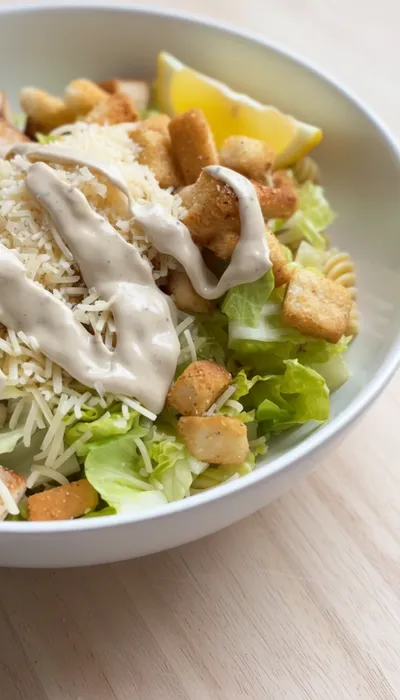
Chicken Caesar Pasta Salad Recipe
Quick creamy chicken Caesar pasta salad, ideal for weeknight meals.
Tools You'll Need
-
Large Dutch Oven or Heavy-Bottomed Pot: A Dutch oven is perfect for this recipe because it holds heat so evenly, which is ideal for both searing the meat and for the long, slow simmer. A heavy-bottomed stockpot will also work well.
-
Sharp Chef's Knife: You'll need a good, sharp knife for cubing the beef and for finely dicing all of your aromatic vegetables. A sharp knife makes the prep work safer, easier, and much more enjoyable.
-
Wooden Spoon or Spatula: A sturdy wooden spoon is my go-to for stirring the sauce and scraping up the browned bits from the bottom of the pot. It won't scratch your cookware and feels so lovely and traditional to use.
-
Large Pot for Pasta: You'll need a separate large pot to cook the pasta. Pasta needs plenty of space and lots of salty, boiling water to cook properly and avoid clumping together.
Must-Know Tips
-
Pat the Beef Dry: I can't stress this enough! Moisture is the enemy of a good sear. Using paper towels to get the beef cubes as dry as possible before they hit the hot oil will ensure you get a beautiful brown crust instead of just steaming the meat.
-
Don't Crowd the Pan: When searing the beef, cook it in batches. Giving each piece of meat enough space allows it to make direct contact with the hot pan, creating that essential crust. Overcrowding lowers the pan's temperature and causes the meat to steam.
-
Save Your Pasta Water: That cloudy, starchy water left over from boiling your pasta is liquid gold! Adding a splash to your finished ragu when you toss it with the pasta helps the sauce emulsify and cling to every noodle for a perfectly silky finish.
Professional Secrets
-
Let the Tomato Paste 'Toast': Cooking the tomato paste for a minute before adding the liquids is a little trick that makes a big difference. It caramelizes the sugars in the paste, removing any raw or 'tinny' taste and creating a much deeper, richer tomato flavor.
-
The 'Low and Slow' Simmer: The key to tender beef and a deeply flavorful sauce is keeping the heat very low. You want the barest of simmers, with just a few gentle bubbles breaking the surface. A vigorous boil will make the meat tough, so be patient and keep the heat down.
-
Finish with Freshness: After the long, slow cook, a little burst of freshness at the end can really brighten everything up. A sprinkle of fresh, chopped parsley or basil, or even a tiny drizzle of a really good extra virgin olive oil over each bowl just before serving, wakes up all the flavors.

Recipe by
Isabella MooreFood makes every celebration brighter 🎉🍽️ Creating magical seasonal moments with delicious recipes ✨
Get Delicious Recipes Weekly
Join 25,000+ home cooks getting our best recipes straight to their inbox.
Free forever • No spam • Unsubscribe anytime